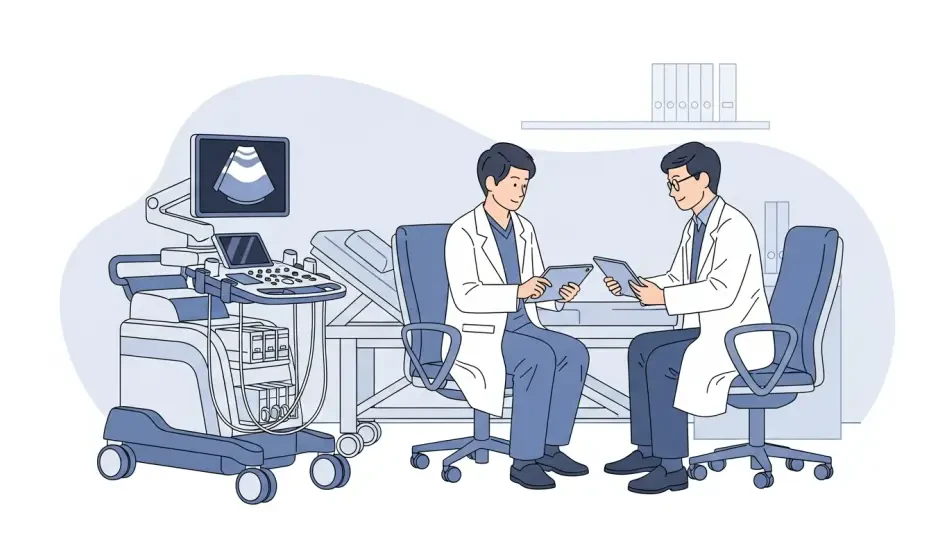

The sudden withdrawal of legacy reproductive health providers from the American hinterland has forced a radical reimagining of how essential medical services reach the most isolated populations across the country. As specialized reproductive centers shutter their doors due to a combination of political pressure and financial instability, a new vanguard of healthcare delivery is emerging within the versatile walls of general urgent care facilities. This shift represents more than just a change in venue; it signifies a fundamental transition in the rural healthcare ecosystem. These clinics, which once focused primarily on acute injuries and seasonal illnesses, are now evolving into comprehensive hubs that address the deep-seated “abortion deserts” characterizing much of the modern medical landscape.
The significance of these “gap-filling” providers cannot be overstated, especially in regions where the total collapse of maternity and reproductive services has left patients with few safe alternatives. When legacy facilities like Planned Parenthood withdraw from a community, they often leave behind a vacuum that traditional hospital systems are unable or unwilling to fill. In this environment, the distinction between independent medical practitioners and large-scale institutional providers becomes critical. While large institutions may be slowed by bureaucratic caution or religious affiliations, independent clinics possess the agility to pivot their service models quickly to meet local demands.
The integration of medication abortion into routine urgent care is a direct response to this regional scarcity. By treating reproductive healthcare as a standard component of emergency and urgent medicine, practitioners are effectively de-siloing a service that has long been isolated from mainstream clinical practice. This movement is being spearheaded by emergency medicine physicians who are uniquely equipped to handle the complexities of decentralized care. These professionals bring a pragmatic, patient-centered approach to a field often clouded by ideological conflict, ensuring that localized healthcare solutions remain grounded in clinical reality rather than political rhetoric.
Evolving Dynamics and Growth Projections for Decentralized Care
Shifting Patient Preferences and the Drive for In-Person Medical Security
While the rise of telehealth has provided a convenient alternative for many, a persistent and significant portion of the rural population continues to prioritize face-to-face clinical consultations. This demand for in-person security stems from a desire for diagnostic certainty that digital platforms simply cannot provide. For many patients, the physical presence of a medical professional and the availability of on-site diagnostic tools like ultrasound technology offer a level of psychological comfort that a mail-order service lacks. The limitations of telehealth become apparent when dealing with the anxiety and physical symptoms associated with reproductive care, leading many to seek out the human connection found in brick-and-mortar clinics.
Consumer behavior trends indicate that rural patients are increasingly gravitating toward “comfort-focused” care models. These models go beyond the mere distribution of medication to include holistic counseling, follow-up support, and the provision of physical items like heating pads or support kits. This comprehensive approach addresses the mental load of healthcare, recognizing that a medical procedure is often accompanied by significant emotional and logistical stress. As legacy facilities disappear, the vacuum they leave behind is being filled by these more personalized, community-oriented urgent care centers that treat the patient as an individual rather than a statistic.
Furthermore, the drive for in-person care is fueled by the need for immediate intervention in cases where complications might arise. Rural patients often live hours away from the nearest emergency room, making the diagnostic rigor of an urgent care clinic a vital safety net. When a patient can look a provider in the eye and receive a physical examination, the perceived and actual safety of the procedure increases. This preference for traditional clinical settings suggests that despite technological advancements, the physical clinic remains the cornerstone of rural healthcare stability.
Quantifying the Expansion of the Integrated Clinic Model
The performance indicators for medication abortion services in non-traditional settings show a remarkable trend toward growth and sustainability. Independent clinics that have adopted integrated care models are seeing a steady increase in patient volume, particularly from those traveling long distances to bypass “healthcare deserts.” These clinics often utilize what has been termed the Marquette Model, which blends high-level emergency diagnostic standards with compassionate reproductive health services. This model has proven to be scalable, offering a blueprint for other rural regions that are currently struggling with the loss of specialized facilities.
Economic factors are also driving this expansion, as the closure of hospital labor and delivery units across the country creates an even greater need for alternative care sites. When a local hospital stops offering maternity services, the surrounding urgent care clinics often become the first point of contact for all pregnancy-related concerns, including termination. This shift is not merely a matter of convenience; it is an economic necessity. The demand for these services ensures that clinics can remain solvent even in low-population areas, provided they can navigate the initial overhead costs and regulatory hurdles.
Looking forward, the scalability of community-funded reproductive health initiatives appears promising. Many of these independent clinics rely on a mix of service fees and local philanthropy to maintain a sliding-scale affordability for their patients. This hybrid financial model allows clinics to remain independent of fluctuating state and federal funding streams that often come with restrictive strings attached. As more communities recognize the vital role these clinics play, the potential for decentralized, integrated reproductive medicine to become a permanent fixture of the rural landscape continues to strengthen.
Navigating Operational Barriers and Financial Sustainability
One of the most significant hurdles facing rural providers today is the “onerous and unrealistic” burden of malpractice insurance premiums. For many general practitioners, the mere mention of offering medication abortion can trigger a massive spike in insurance costs, sometimes tripling the annual premium for the entire clinic. Overcoming this barrier requires sophisticated negotiation strategies backed by rigorous clinical data. Providers have found success by demonstrating the high safety profile of medication abortion, arguing that it carries no more risk than many other routine procedures already performed in urgent care settings.
Negotiating with insurers is only one part of the financial puzzle; clinics must also contend with the inherent instability caused by fluctuating Medicaid funding and high operational overhead. In many rural areas, a high percentage of the patient population relies on public insurance, which may or may not cover reproductive services depending on state-specific policies. To combat this, successful clinics have turned toward nonprofit partnerships and community-led fundraising efforts. These collaborations help bridge the gap between the cost of care and what the patient can afford, ensuring that financial status does not become a barrier to medical access.
Logistical complexities further complicate the picture, particularly regarding the acquisition and maintenance of specialized equipment. Ultrasound technology, which is essential for dating pregnancies and ensuring patient safety, represents a significant capital investment. Many independent clinics have relied on donor-funded equipment to launch their programs, highlighting the importance of community investment in local healthcare infrastructure. Managing these resources requires a delicate balance of clinical expertise and administrative savvy, as providers must ensure that every dollar spent directly contributes to the long-term viability of the clinic.
The Complexities of the Regulatory and Compliance Environment
Navigating the regulatory landscape of reproductive medicine requires a deep understanding of the FDA’s strict certification processes, particularly concerning the distribution of mifepristone. Clinics must undergo a rigorous vetting process to become certified dispensers, a task that can be daunting for small-scale independent operations. This certification is not a one-time event but an ongoing commitment to compliance, requiring meticulous record-keeping and adherence to evolving federal guidelines. For many providers, the administrative burden of this process is as challenging as the clinical aspects of the care itself.
State-specific mandates add another layer of complexity, often requiring clinics to enforce mandatory waiting periods or meet specific facility-level requirements that may not align with standard urgent care operations. The impact of recent legal decisions, including the Dobbs ruling, has heightened the legal risk assessment for general practitioners. In many states, the legal framework is in a constant state of flux, forcing providers to rely on legal advocacy groups to help interpret a patchwork of laws. This legal uncertainty can have a chilling effect on care, making the role of independent clinics even more courageous as they choose to operate in politically sensitive environments.
To maintain security and patient privacy, clinics must implement robust compliance strategies that go beyond the requirements of HIPAA. This includes physical security measures to protect patients and staff from potential harassment, as well as digital security to safeguard sensitive medical records. In a politically charged atmosphere, the commitment to patient confidentiality is paramount. Providers who successfully navigate these hurdles often do so by fostering a culture of transparency and safety, ensuring that the clinic remains a trusted sanctuary for all members of the community, regardless of their medical needs.
Future Directions for Integrated Reproductive Medicine
As the integrated model gains traction, there is a significant potential for academic medical centers to adopt and standardize these practices within their own urgent care networks. This would provide a layer of institutional support that independent clinics currently lack, potentially lowering the barriers to entry for other providers. By standardizing the integration of reproductive medicine into general practice, the medical community can move toward a total normalization of these services. This transition would effectively remove the stigma often associated with reproductive care, placing it firmly within the realm of mainstream medicine where it belongs.
Anticipating market disruptors is essential for the long-term planning of these clinics. For instance, further restrictions on “pills by mail” could drive a surge of patients back to brick-and-mortar facilities, placing additional strain on an already stretched rural infrastructure. Conversely, a stabilized federal regulatory landscape could provide the predictability needed for more clinics to enter the market. Innovation in care delivery will likely focus on enhancing the efficiency of the integrated model, perhaps through the use of advanced diagnostic tools or more streamlined follow-up protocols that reduce the need for multiple in-person visits.
The factors influencing future growth will also be shaped by global economic shifts and the availability of a trained medical workforce willing to serve in rural areas. As the healthcare industry continues to grapple with provider shortages, the role of the versatile urgent care physician will become even more central to the survival of rural communities. The long-term viability of this model depends on the continued resilience of practitioners who are willing to navigate the complexities of modern medicine to ensure that no patient is left behind due to their zip code.
Securing the Future of Rural Healthcare Through Collaborative Innovation
The investigation into rural healthcare dynamics revealed that independent providers functioned as the final safeguard against the total disappearance of reproductive services in isolated regions. These practitioners demonstrated a remarkable level of resilience, often operating in environments where the legal and financial risks were substantial. The study confirmed that medical pragmatism consistently outperformed political ideology when it came to ensuring patient safety and maintaining community trust. By focusing on the immediate needs of their neighbors, these clinics managed to build a sustainable model of care that transcended the polarized national conversation.
Evidence suggested that the integration of medication abortion into general urgent care settings successfully mitigated the impact of widespread facility closures. Policymakers and healthcare advocates observed that when administrative barriers were lowered, small-scale clinics could provide high-quality care at a fraction of the cost of traditional hospital systems. The research highlighted that the success of these initiatives was largely dependent on community philanthropy and the proactive leadership of emergency physicians. These findings pointed toward a future where the normalization of reproductive health within general medicine could serve as a permanent solution to geographic inequality.
Actionable recommendations for the future included the implementation of specialized insurance pools to lower the cost of malpractice coverage for rural providers. Additionally, the development of standardized training programs for urgent care staff was identified as a critical step in ensuring the safety and efficiency of integrated services. The report concluded that the long-term viability of rural healthcare required a shift toward collaborative innovation, where legal, financial, and clinical experts worked together to support decentralized models. By fostering this supportive environment, the medical community ensured that the progress made in Marquette and similar regions could be replicated across the country, securing a more equitable future for all patients.