
The persistent fragmentation of the American medical infrastructure has reached a critical juncture where technological advancement often outpaces the system’s ability to provide compassionate, goal-aligned support for those with chronic illnesses. Despite possessing sophisticated diagnostic tools and therapeutic interventions, the healthcare sector frequently struggles to address the fundamental human needs of patients facing life-limiting diagnoses. This disconnect stems from a reliance on aggressive, crisis-oriented intervention rather than a proactive model that prioritizes a patient’s daily quality of life and personal values. When the default response to a deteriorating condition is escalation of treatment without a conversation about goals, the result is a cycle of intensive care admissions that fail to provide genuine comfort. This creates a traumatic environment for families, as the medical machine moves forward with clinical precision but lacks the necessary emotional and logistical safety net to catch those who are no longer benefiting from curative-only approaches.
Defining the Scope: Comprehensive Supportive Services
Palliative care continues to be widely misunderstood by the general public and even within some clinical circles, often being incorrectly conflated with end-of-life hospice services. In reality, palliative care is a specialized medical field that provides relief from the symptoms and stress of a serious illness at any stage of the diagnosis, often alongside curative treatments. While hospice is restricted to those with a life expectancy of six months or less who have opted to cease curative efforts, palliative support is available much earlier in the disease trajectory. This early intervention is vital because it allows patients to manage pain, nausea, and psychological distress while they are still pursuing aggressive therapies for conditions like cancer, heart failure, or neurological disorders. By focusing on the totality of the patient experience, this discipline ensures that medical care remains a tool for living well, rather than an exhausting burden that isolates the individual from their personal goals and community.
The efficacy of this approach relies on an interdisciplinary team that extends far beyond the traditional doctor-patient relationship, involving a collaborative network of specialists. Nurses, social workers, and spiritual counselors work in tandem to address the multifaceted challenges that arise when a family unit faces a terminal or chronic diagnosis. This whole-person philosophy recognizes that medical interventions alone cannot solve the emotional and spiritual crises that often accompany physical decline. For instance, a social worker might assist with advanced care planning and navigating the complexities of home support, while a chaplain provides a space for existential reflection and peace. This comprehensive structure prevents the clinical fragmentation that often leads to patient confusion and caregiver burnout. When these professionals operate as a unified front, they create a safety net that catches the nuances of human suffering, ensuring that every decision made aligns with the patient’s documented wishes and personal values.
Clinical Disparity: Expanding Access Beyond Inpatient Environments
Current data reveals a significant disparity in how palliative services are distributed, with the vast majority of resources currently concentrated within large academic medical centers and urban hospitals. While approximately eighty percent of major hospitals now offer some form of inpatient palliative consultation, these programs often function under a crisis-only mandate. This means that a specialized team is typically only called in once a patient has already been admitted to the hospital, often in a state of acute distress or near-death. Such a reactive model explains why a staggering percentage of patients seen by hospital-based palliative teams end up passing away during that same admission, missing the opportunity for months of improved quality of life at home. This confinement of services to the hospital setting creates an artificial barrier that prevents millions of Americans from receiving the support they need during the long intervals between hospitalizations, where the most significant daily management occurs.
The scarcity of outpatient and community-based options is particularly acute in rural and underserved areas, where specialized medical personnel are often spread thin across vast geographic regions. For a patient living in a remote community, the lack of a local palliative team means that every spike in symptoms, whether it be unmanaged pain or shortness of breath, inevitably results in a long and stressful trip to an emergency department. This lack of professional guidance in the home environment forces families to act as primary medical managers without the necessary training or backup. Strengthening community-based infrastructure requires a deliberate decentralization of the palliative workforce, moving experts out of the intensive care units and into the neighborhoods where patients actually live. By providing these services in a home or clinic-based setting, the healthcare system can foster a more stable environment that reduces the trauma of repeated hospital transfers and allows patients to remain in their familiar surroundings.
The Economic Gap: Aligning Incentives with Patient Outcomes
The foundational obstacle preventing the expansion of community-based palliative care is a legacy payment system that fundamentally favors high-volume physical procedures over patient-centered counseling. Under traditional fee-for-service arrangements, Medicare and private insurers provide clear reimbursement pathways for tangible interventions, such as laboratory tests, imaging, and surgical operations. However, the essential work of a palliative team, which often involves hours of complex communication, emotional support, and care coordination, frequently falls into a non-reimbursable category. Social workers and chaplains, who are critical to the success of an interdisciplinary team, often have no direct billing codes for their time, making it financially difficult for smaller practices or rural clinics to sustain a full supportive staff. This economic misalignment ensures that the very services that provide the most value to the patient are the most vulnerable to budget cuts, leading to a healthcare environment that prioritizes the machine over the human.
This financial paradox is further complicated by the fact that successful palliative care is often defined by the absence of a billable event, such as an emergency room visit or a re-hospitalization. When a palliative nurse manages a patient’s symptom flare-up through a midnight telehealth consultation, they have performed a high-value service that saves the healthcare system thousands of dollars while sparing the patient significant distress. Yet, because the current billing structures focus on the physical location of care and specific procedural codes, that preventative intervention often yields zero revenue for the medical team. To correct this, the industry must transition toward value-based payment models that reward the maintenance of patient stability and the prevention of crisis. By utilizing monthly per-patient payments or bundled care packages for serious illness, insurers can provide the financial flexibility necessary for teams to focus on the outcomes that truly matter to patients, such as pain control and the avoidance of unwanted clinical escalations.
Systemic Evolution: Navigating the Path Toward a Sustainable Future
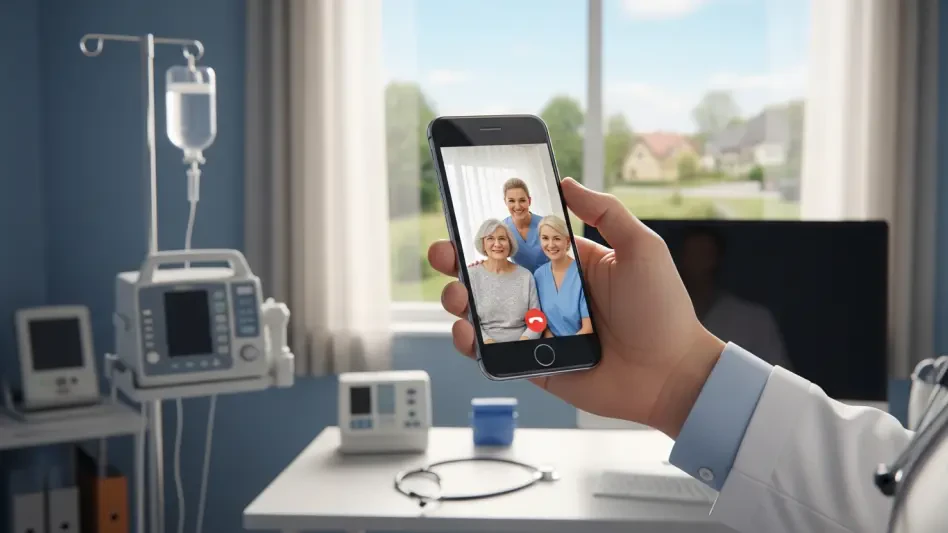
Modernizing the delivery of serious illness care requires the implementation of a comprehensive serious-illness operating system that leverages technology to bridge the gap between clinics and homes. This approach involves using real-time monitoring and predictive analytics to identify patients who are at high risk for clinical decline, allowing for interventions before a symptom becomes an emergency. By utilizing specialized telehealth platforms, palliative teams can maintain continuous contact with patients regardless of their physical location, providing a level of accessibility that was previously impossible. This technological integration also facilitates better documentation of advanced directives and patient preferences, ensuring that every provider in the healthcare continuum has immediate access to a person’s care goals. When technology is used to humanize the medical experience rather than complicate it, the system can transition from a reactive posture to one that is truly proactive and patient-centric, ensuring that medical care is always in sync with the individual’s life.
The transformation of the healthcare landscape relied on a decisive shift toward community-based palliative care models that effectively bridged the gap between the hospital and the home. Stakeholders moved beyond outdated reimbursement systems to embrace bundled payments, which finally prioritized the patient’s overall stability rather than the quantity of billable clinical events. By integrating social workers, chaplains, and nurse practitioners into the daily lives of patients through advanced telehealth platforms, the system successfully reduced emergency department utilization and increased the time individuals spent in their preferred settings. This evolution recognized that true medical success was measured not by the length of a hospital stay, but by the preservation of dignity and the mitigation of suffering during a patient’s most vulnerable moments. Legislators and healthcare executives collaborated to ensure that these services became a standard benefit, thereby establishing a more resilient and empathetic framework for the millions navigating the complexities of serious illness today.