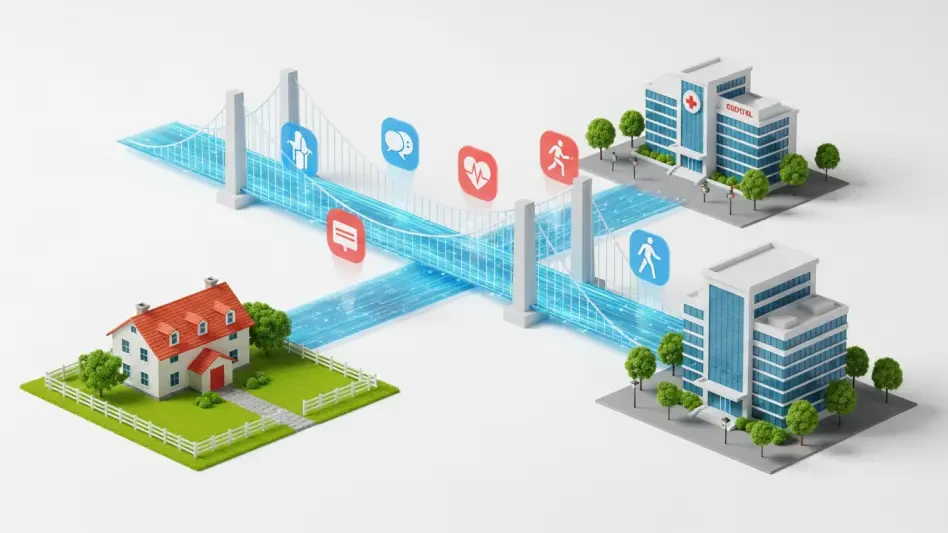

Families residing in the most remote corners of the Australian outback often face a grueling ten-hour round trip just to access a single hour of essential occupational therapy or specialized pediatric care. This logistical nightmare has historically led to lower participation rates and poorer health outcomes for individuals registered under the National Disability Insurance Scheme. However, the rapid evolution of digital health platforms and high-speed satellite connectivity has fundamentally altered this landscape, providing a digital bridge where physical roads were previously the only option. Telehealth is no longer a secondary alternative or a temporary fix but has evolved into a sophisticated, primary mode of service delivery for thousands. These digital solutions allow participants to receive speech pathology, mental health counseling, and physical rehabilitation from the safety and comfort of their own homes. By removing the physical barrier of distance, providers can now focus on consistent clinical outcomes rather than the exhausting burden of travel.
Clinical Strategies: Advancing Remote Therapeutic Outcomes
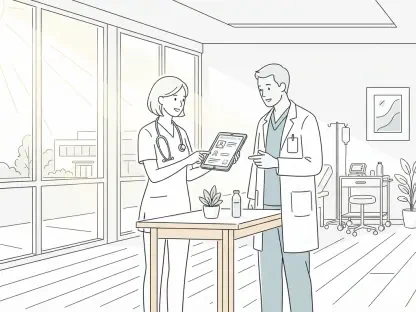
Specialized therapists are increasingly utilizing high-definition video conferencing and interactive software to conduct assessments that were once deemed impossible via a screen. For instance, speech pathologists now employ gamified digital tools that track a child’s progress in real-time, allowing for immediate feedback and adjustments during a session. Occupational therapists utilize wearable sensors and home-based cameras to observe how participants navigate their living spaces, offering modifications that enhance daily independence without needing to be physically present. This shift has also facilitated the rise of multidisciplinary team meetings where various specialists can collaborate on a participant’s care plan simultaneously. The integration of secure cloud-based portals ensures that progress notes and treatment strategies are shared instantaneously among the support team. This level of synchronization reduces administrative delays and ensures that the participant remains at the center of a cohesive and responsive support network.
The psychological impact of consistent care through digital channels cannot be overstated, particularly for those with mobility issues or severe social anxiety. Traditional face-to-face appointments often induce stress, which can negatively affect the efficacy of the therapy being provided in the moment. By engaging through a familiar digital interface, participants often feel more empowered and relaxed, leading to higher engagement levels and better long-term retention of therapeutic skills. Providers have reported a significant decrease in “did not attend” rates, as the flexibility of telehealth accommodates the unpredictable nature of living with a disability. Furthermore, the ability to record sessions—with strict adherence to privacy protocols—allows family members and local caregivers to review exercises and instructions, ensuring that therapy continues effectively between official appointments. This creates a sustainable cycle of learning and support that extends far beyond the duration of the video call itself, fostering a more inclusive environment.
Sustainable Infrastructure: Bridging the Regional Care Gap
The successful integration of telehealth within the NDIS framework was achieved by prioritizing the expansion of digital literacy among both participants and local support coordinators. Organizations moved beyond simple video conferencing to incorporate specialized diagnostic peripherals, such as remote-connected sensors and motion-tracking cameras, into standard home environments. Funding was strategically directed toward regional tech hubs, which provided high-bandwidth access for those in underserved private residences. Furthermore, practitioners developed culturally sensitive digital interfaces that catered specifically to Indigenous communities and diverse linguistic backgrounds. By standardizing these virtual care protocols and backing them with continuous professional development, the sector maintained the momentum necessary for long-term sustainability. The historical reliance on physical proximity was replaced by a flexible, resilient framework that guaranteed high-quality support for all citizens, regardless of their specific geographical isolation.