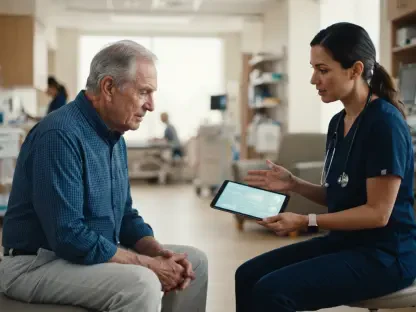

While neurological exams typically require physical contact, telehealth providers are successfully adapting gait and sensory assessments for the digital screen to improve patient throughput. The pursuit of a dementia diagnosis is frequently a journey defined by a sense of urgency clashing with a sluggish, overburdened healthcare system. For many families across the United States, the realization that a loved one is struggling with cognitive decline is followed by the profound frustration of sitting on a specialized waiting list for months, or even a full year. Traditional neurology clinics are often completely overwhelmed by the sheer volume of an aging population, leaving patients in a state of clinical limbo while their symptoms potentially worsen without intervention. This systemic bottleneck has created a desperate need for a faster, more accessible way to reach specialists who can offer clarity and a path forward. To address this crisis, a new wave of specialized telehealth platforms is emerging as a transformative solution in the medical landscape. These online clinics are not merely providing basic video calls; they are integrating sophisticated artificial intelligence, remote cognitive testing, and highly coordinated care plans to bypass traditional logistical hurdles. By shifting the diagnostic process to a virtual environment, these platforms aim to maintain high clinical standards while drastically reducing the time between the first sign of cognitive trouble and the start of professional, evidence-based treatment.
Overcoming the Chronic Shortage of Specialists
One of the most significant challenges in modern neurology is the severe shortage of behavioral neurologists, a gap that has only widened as the demographic shift toward an older population accelerates. This scarcity means that even in major metropolitan hubs with renowned medical centers, the wait for an initial assessment can exceed twelve months. For patients residing in rural or underserved areas, the situation is even more dire, as they may have to travel hundreds of miles just to find a clinic capable of performing a comprehensive memory evaluation. Virtual platforms mitigate this geographic disparity by allowing a centralized team of experts to treat patients regardless of their physical location. This democratization of expertise ensures that a resident in a remote mountain town receives the same level of diagnostic rigor as someone living blocks away from a university hospital. By decoupling medical expertise from physical real estate, telehealth providers are effectively expanding the reach of a limited workforce, ensuring that the zip code of a patient no longer dictates the quality or speed of their neurological care.
The introduction of new medical treatments has made the speed of diagnosis more critical than it has ever been in the history of Alzheimer’s research. Recent advancements in monoclonal antibody therapies, which are designed to target and clear amyloid plaques in the brain, are specifically indicated for those in the earliest stages of the disease. If a patient spends a year on a waiting list, they may progress from mild cognitive impairment to a more advanced stage of dementia during that interval. This delay is not just an inconvenience; it can effectively disqualify a patient from receiving life-altering medications that are currently only approved for early-stage use. Because these drugs are most effective when administered before significant brain tissue loss occurs, the efficiency of an online clinic can be the deciding factor in whether a patient is eligible for the latest pharmacological interventions. In this context, the virtual diagnostic pipeline functions as a vital race against time, preserving the window of opportunity for therapeutic success.
Optimizing the Clinical Observation Environment
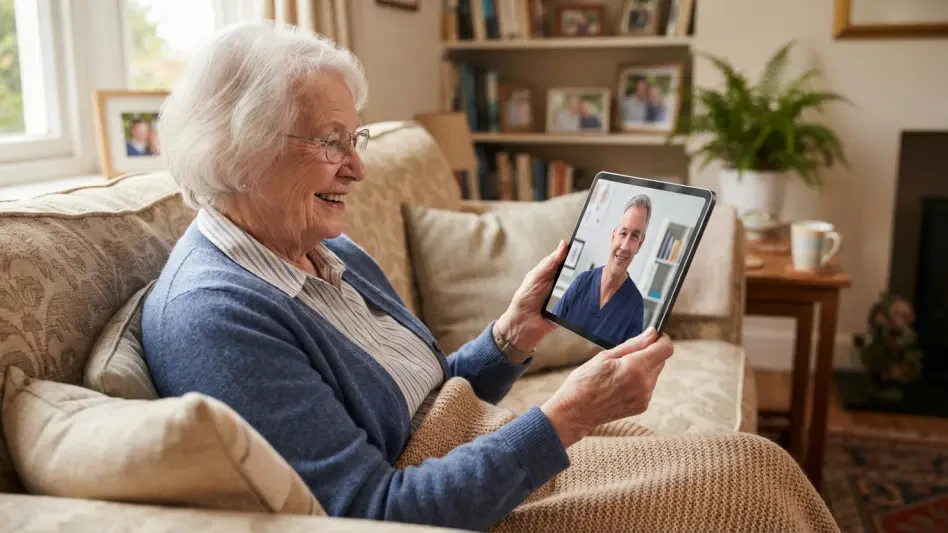
Clinicians have increasingly noted that seeing a patient in their natural environment offers a unique advantage that is often missing in traditional office-based practice. In a sterile, unfamiliar clinic setting, many seniors experience significant stress or “white coat hypertension,” a phenomenon where anxiety leads to atypical behaviors or skewed cognitive test results. When a doctor observes a patient via a high-definition video link in the comfort of their own living room, they often get a more authentic glimpse into the individual’s daily functioning and real-world challenges. This perspective allows the medical team to see how a patient navigates their home, interacts with familiar surroundings, and manages daily tasks. These subtle observations can provide more accurate data than a standardized test conducted in a stressful environment, leading to a diagnosis that is more reflective of the patient’s actual lived experience and functional capacity.
Virtual care also streamlines the involvement of the patient’s broader support network, which is often fragmented by modern geographic realities. In many contemporary families, adult children live in different states and struggle to stay informed or participate in their parents’ medical appointments. Telehealth platforms solve this by allowing multiple family members to join the same digital consultation from various locations across the country. This ensures that the entire care team—including the primary caregiver, the patient, and distant relatives—is on the same page regarding the diagnosis and the proposed management plan. It eliminates the “telephone game” effect, where critical medical information is misunderstood or lost as it is relayed second-hand from one family member to another. By fostering direct communication with all stakeholders simultaneously, online clinics build a more robust and informed foundation for the long-term care journey that follows a dementia diagnosis.
Expanding Capacity Through Diverse Care Teams
To handle the high volume of patients seeking cognitive evaluations, online clinics are fundamentally rethinking the traditional medical staffing model that has historically relied on a few overburdened specialists. Rather than requiring every single minute of a neurologist’s time, these platforms often utilize highly trained nurse practitioners and physician assistants who specialize specifically in cognitive health and dementia management. These practitioners work under the close supervision of board-certified neurologists, following strict clinical protocols to conduct initial screenings and gather comprehensive medical histories. This team-based approach allows the clinic to see a significantly higher volume of patients without sacrificing the quality or depth of the evaluation. It moves the specialist into a role of oversight and complex decision-making, while the specialized nursing staff ensures that the diagnostic pipeline remains fluid and responsive to the growing demand for memory services.
Furthermore, these digital platforms are increasingly moving toward a “wraparound” care model that extends far beyond the initial diagnostic moment. Dementia is a condition that affects the entire family unit, and the needs of caregivers are often as acute as those of the patient. Many online clinics now provide twenty-four-seven support lines and secure messaging services, offering real-time guidance on managing behavioral changes, sleep disturbances, or medication side effects. This continuous support model addresses the reality that dementia-related challenges do not adhere to standard business hours. By providing caregivers with a direct line to experts who understand the specifics of their loved one’s case, these clinics reduce the likelihood of unnecessary emergency room visits and provide a sense of security that traditional, intermittent office visits cannot match. This holistic approach recognizes that managing dementia is a marathon of daily adjustments rather than a series of isolated medical events.
Navigating the Technical and Physical Hurdles
Despite the clear and documented benefits of telehealth, medical professionals acknowledge that a computer screen cannot fully replace every aspect of a traditional physical examination. Certain neurological indicators, such as a patient’s specific gait patterns, subtle changes in muscle tone, or the presence of fine tremors, can be difficult to evaluate with total precision through a camera lens. Factors like video compression, poor lighting, or a restricted field of view can occasionally hide physical cues that a doctor would easily spot during an in-person assessment. Sensory testing, including the delicate assessment of reflexes, peripheral sensation, and certain cranial nerve functions, also remains a technical challenge in a virtual-only setting. While many of these tests have been successfully adapted for remote observation, clinicians must remain vigilant about the limitations of digital tools and know when a patient’s specific symptoms require a follow-up in a physical office.
The “tech divide” presents another significant hurdle, particularly for the elderly population that is most at risk for developing cognitive disorders. Many seniors, especially those already experiencing cognitive decline, struggle with navigating complex digital portals, managing software updates, or maintaining a stable high-speed internet connection. Additionally, hearing impairment—a common comorbid condition among older adults—can make communication via computer speakers difficult and deeply frustrating for both the patient and the physician. To combat these barriers, the most innovative virtual clinics have begun employing a hybrid strategy, which includes sending mobile health aides or “tech-facilitators” directly to a patient’s home. These assistants handle all the technical aspects of the visit, from setting up the camera to ensuring the audio is clear, allowing the patient and doctor to focus entirely on the clinical interaction without the stress of technical troubleshooting.
Synthesizing Digital Tools with Local Medical Systems
Virtual clinics do not exist in a vacuum; rather, they function as a critical “capacity expander” for the existing local healthcare ecosystem. While the initial consultation and cognitive testing happen in the digital space, patients still rely heavily on local infrastructure for the physical requirements of a comprehensive workup. Blood work, specialized imaging such as MRIs or PET scans, and sometimes even cerebrospinal fluid analysis are still performed at local imaging centers and laboratories. In this model, the virtual clinic acts as the primary coordinator, ordering the necessary tests, tracking the results, and synthesizing a vast amount of data into a cohesive and actionable care plan. This integration ensures that the expertise of a remote specialist is grounded in the physical reality of the patient’s biological data, creating a bridge between high-tech digital diagnosis and traditional local medical services.
This hybrid model is gaining significant traction even among traditional, large-scale academic health systems that were once skeptical of remote neurology. Some major university hospitals are now actively referring patients to virtual partners to help clear their multi-month backlogs for routine memory screenings. This collaborative approach suggests a future where the initial screening, routine monitoring, and caregiver support are handled virtually for maximum efficiency, while the most complex or physically demanding cases are reserved for the limited number of in-person specialist slots available. By triaging patients through a digital-first lens, the entire healthcare system becomes more efficient, ensuring that the right patient sees the right specialist at the right time. This synergy between established medical institutions and agile telehealth startups is redefining the standard of care for cognitive health in the mid-twenties.
Analyzing Economic and Regulatory Impact
The long-term viability of online dementia care is also being bolstered by significant shifts in insurance reimbursement and government healthcare policy. Medicare and various private insurance plans have expanded their coverage to include these specialized telehealth services, recognizing that the cost of a virtual diagnosis is substantially lower than the long-term societal and financial cost of untreated, late-stage dementia. When a diagnosis is delayed, patients are more likely to experience crises that lead to expensive hospitalizations or premature institutionalization. Financial support from both public and private payers is essential for making virtual care a permanent and sustainable fixture in the field of neurology. As the data continues to show that remote diagnosis is both safe and effective, the regulatory environment has moved toward a “telehealth-first” mentality for initial cognitive screenings, providing the necessary stability for these clinics to scale their operations.
Data from these digital-first partnerships show impressive results in terms of overall clinical efficiency and patient satisfaction. In some recorded cases, the time elapsed from the first patient inquiry to a formal diagnosis has been cut from several hundred days to less than two months. For a patient facing a progressive and currently incurable cognitive disorder, these saved months represent a precious and irreplaceable window of opportunity. The ability to start treatment earlier can lead to significantly better management of behavioral symptoms, a more proactive approach to safety in the home, and a higher overall quality of life for a much longer period. By quantifying these successes through rigorous data collection, online clinics are proving that they are not just a temporary fix for a pandemic-era problem, but a superior model for delivering specialized care to a population that has been historically underserved by the traditional medical establishment.
Strategic Pathways for Modern Memory Care
The landscape of cognitive health underwent a radical transformation as the industry pivoted toward digital integration to meet the demands of a growing patient population. This evolution proved that the democratization of expertise through online clinics was a pragmatic and necessary response to the reality of a shrinking workforce of specialists. By successfully bridging the gap between clinical necessity and geographic accessibility, these platforms provided a vital lifeline for thousands of families who previously felt abandoned by the system. The transition from a model of “watchful waiting” to one of proactive, digital-first intervention allowed for a more humane and efficient diagnostic journey. Professionals in the field noted that the integration of home-based observation and multi-disciplinary teams created a more comprehensive understanding of the disease’s impact on daily life, which in turn led to more personalized and effective care strategies for patients across the country.
As the medical community moved forward, the focus shifted toward refining these virtual tools to ensure that no patient was left behind due to the digital divide or sensory impairments. The implementation of mobile health aides and the standardizing of remote neurological protocols solidified the role of telehealth as a permanent pillar of the American healthcare system. For families navigating the complexities of cognitive decline, the next steps involved embracing these hybrid models and advocating for continued insurance parity for virtual services. Providers were encouraged to continue building strong partnerships with local diagnostic centers to ensure that the physical components of care remained robust. Ultimately, the successful adoption of online dementia clinics demonstrated that when technology is applied with clinical rigor and empathy, it can overcome even the most daunting systemic bottlenecks, offering a clearer and faster path to support for those who need it most.