
The recurring cycle of hospital readmissions for patients with chronic heart failure has reached a critical inflection point, forcing a radical reimagining of how post-acute care is delivered in the home environment. As the healthcare landscape in 2026 struggles under the weight of an aging population and increasing rates of chronic disease, the transition from acute care to the home remains a period of extreme vulnerability. Traditional follow-up models often leave a diagnostic gap that patients find difficult to navigate alone, frequently resulting in emergency department visits that could have been avoided with proactive monitoring.
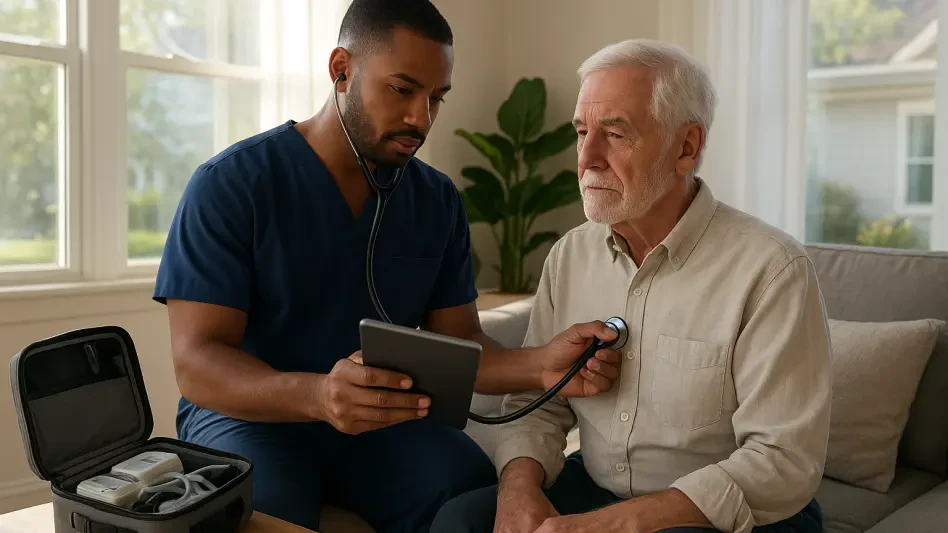
Mobile Integrated Health, or MIH, has emerged as the definitive solution to this problem by extending the clinical capabilities of the hospital directly into the living room. By deploying specially trained paramedics to conduct home visits shortly after a patient is discharged, programs like the Mighty Heart initiative are creating a continuous care loop. This decentralized approach ensures that the physiological warning signs of a cardiac crash are identified early, providing a safety net that protects patients during their most precarious recovery phase.
The Shift: Decentralized Cardiovascular Management
The current landscape of heart failure care is characterized by high stakes and limited resources, where the standard thirty-day post-discharge window often dictates long-term survival. For many patients, the complexity of managing fluid intake, fluctuating blood pressure, and a myriad of new medications is overwhelming. When these factors are not perfectly balanced, the resulting decompensation leads to a rapid decline in health, placing a massive financial and operational burden on the modern healthcare system.
The rise of Mobile Integrated Health represents a significant paradigm shift, moving the focus of cardiovascular management away from the hospital ward and toward the patient’s home. Programs such as Mighty Heart bridge the gap between intensive inpatient treatment and independent recovery by providing a professional clinical presence where it is most needed. This shift is not merely about convenience but about clinical precision, as it allows for the real-time adjustment of care plans based on the patient’s actual environment and behavior.
The technological and human infrastructure supporting these programs is remarkably sophisticated, integrating the hands-on expertise of paramedics with high-level telehealth platforms. These mobile units act as the eyes and ears of remote medical specialists, enabling a hybrid care model that combines physical assessment with digital oversight. Key stakeholders, including hospital systems, emergency medical services, and nursing leadership, are increasingly collaborating to ensure that this decentralized model becomes a permanent component of the cardiovascular care continuum.
Market Dynamics: The Evolution of Home-Based Intervention
Emerging Trends: Drivers in Mobile Cardiac Care
The adoption of hybrid home-care models has been significantly accelerated by a post-pandemic surge in digital literacy and the widespread acceptance of telehealth. Patients and clinicians who once viewed remote consultations with skepticism now embrace them as a standard tool for health management. This cultural shift has created a fertile environment for MIH to thrive, as the technological barriers that previously hindered remote heart care have largely been dismantled through intuitive software and ubiquitous connectivity.
Beyond the clinical metrics, the focus on social determinants of health has become a primary driver for home-based intervention. Paramedics visiting a home can identify environmental factors that a hospital physician would never see, such as food insecurity, lack of clean water, or a dangerous living environment that contributes to falls. By addressing these non-clinical variables, MIH programs provide a more holistic form of care that targets the root causes of poor health outcomes rather than just the symptoms.
Furthermore, a growing consumer preference for medical services that eliminate transportation barriers is reshaping patient expectations. For elderly heart failure patients or those living in rural areas, the logistics of traveling to a specialized clinic can be a major deterrent to seeking care. MIH empowers these individuals and their caregivers by providing real-time clinical guidance and professional reassurance without the stress of travel, leading to higher rates of patient satisfaction and better adherence to treatment protocols.
Performance Indicators: Growth Projections
The impact of MIH on readmission rates is already supported by compelling data, showing a marked reduction in the frequency of emergency department visits for those enrolled in mobile monitoring programs. By intervening before a patient’s condition escalates into a crisis, health systems are avoiding the high costs associated with unplanned hospital stays and intensive care admissions. This preventive efficiency is the primary performance indicator that is driving increased investment from both public and private health organizations.
The value of longitudinal assessment cannot be overstated when compared to the standard model of delayed follow-up clinic appointments. While a traditional office visit provides a single data point weeks after discharge, MIH allows for frequent monitoring of vitals and kidney function during the most critical days of recovery. This continuous stream of data enables clinicians to make small, incremental changes to medication dosages, preventing the dangerous fluid accumulation that is the hallmark of heart failure crises.
Looking ahead from 2026 to 2029, market forecasts suggest that Mobile Integrated Health will transition from a series of pilot programs to a standard clinical service in major metropolitan areas. As the efficacy of the model is proven across wider populations, more insurance providers are expected to incorporate MIH into their coverage plans. This expansion will likely lead to a more competitive market for mobile health technology, further driving innovation and reducing the cost of remote monitoring equipment.
Operational Hurdles: Overcoming Structural Challenges
The logistical complexity of synchronizing mobile paramedic units with busy hospital-based subspecialists remains one of the most significant administrative challenges. Coordinating real-time telehealth consultations requires a high degree of organizational flexibility and a robust scheduling infrastructure that can account for traffic, weather, and varying patient needs. Without seamless communication between the mobile units and the central medical team, the benefits of the intervention can be lost in a sea of bureaucratic delays.
Navigating the legal limitations of paramedics in non-emergency settings also presents a persistent dilemma for healthcare administrators. In many jurisdictions, the scope of practice for emergency responders is strictly defined by life-saving protocols, leaving little room for the nuances of chronic disease management. Establishing new, standardized protocols for medication adjustment and routine clinical evaluation is essential to ensure that paramedics can operate effectively within the MIH framework without exceeding their legal authority.
Interdisciplinary fragmentation often threatens the success of these programs, as traditional clinical teams and EMS providers sometimes operate in separate silos. Fostering a culture of cooperation requires deliberate effort and clear leadership to ensure that all parties are working toward a common goal. Strategies for integration include shared electronic health records and regular joint training sessions, which help to align the different professional perspectives into a unified care strategy for the patient.
Regulatory Landscape: Navigating Financial Realities
The primary barrier to the long-term sustainability of mobile heart care is the historical reimbursement paradox that prioritizes hospital transport over home-based treatment. Traditionally, Medicare and many private insurers have only funded EMS services when a patient is physically moved to an emergency room, creating a financial disincentive for paramedics to treat patients at home. Overcoming this conflict is crucial, as the current model essentially penalizes providers for successfully preventing the very hospitalizations the healthcare system is trying to reduce.
Transitioning toward value-based care is the most promising path for resolving these financial tensions. New insurance codes and policy reforms are starting to reward patient outcomes and long-term health stability rather than the volume of services provided. By aligning financial incentives with the avoidance of readmissions, health systems can justify the initial investment in MIH programs as a cost-saving measure that improves the overall health of their patient population while maintaining financial viability.
Maintaining rigorous clinical standards and data security in remote environments is another critical component of the regulatory landscape. As telehealth becomes more integrated into daily practice, the need for standardized protocols for data transmission and patient privacy has never been greater. Ensuring that all mobile units comply with the latest cybersecurity regulations is essential for protecting sensitive patient information and maintaining the public trust in decentralized medical services.
The Future: Scaling Mobile Integrated Heart Care
Scaling the hybrid model of heart care will involve transitioning MIH from localized pilot studies into a permanent fixture of mainstream cardiovascular medicine. This will require a concerted effort from health system leaders to incorporate mobile units into their long-term strategic planning. As the infrastructure matures, the ability to provide high-level cardiac care at home will become a significant differentiator for hospitals looking to improve their quality ratings and attract a tech-savvy patient demographic.
Innovation in remote monitoring technology will continue to enhance the diagnostic capabilities of mobile paramedics through the use of advanced wearable technology and artificial intelligence. These tools will allow for even more precise tracking of physiological trends, potentially flagging issues before the patient even feels symptomatic. AI-driven analytics can help prioritize which patients need an immediate home visit, ensuring that limited mobile resources are always directed to the individuals at the highest risk of decompensation.
Ensuring equitable access to these innovations is a priority to prevent a digital divide from emerging within the cardiovascular patient population. Programs must be designed to serve populations with limited internet connectivity, language barriers, or low technological literacy. This may involve providing simplified hardware, multilingual support staff, and community-based outreach to ensure that the benefits of Mobile Integrated Health are available to all heart failure patients, regardless of their socioeconomic status.
Excellence in Post-Discharge: Advancing the Standard
The findings from the Mighty Heart initiative demonstrated that MIH offered a superior method for managing the transition from hospital to home. It functioned as a personalized bridge that addressed both the physiological needs of the heart and the social realities of the patient’s daily life. Leaders recognized that by bringing clinical expertise to the patient’s doorstep, the healthcare system significantly reduced the frequency of the revolving-door readmissions that previously plagued heart failure management.
Institutional leadership and proactive policy advocacy became the primary drivers for sustaining these mobile health initiatives beyond their initial launch. Strategic recommendations focused on the necessity of aligning financial reimbursement with patient outcomes, ensuring that the clinical successes of the program were matched by economic stability. Health systems that prioritized these transitions reported not only better clinical metrics but also higher levels of job satisfaction among clinicians and paramedics.
The transformative potential of mobile integrated health eventually solidified its place as a cornerstone of modern cardiovascular care. Bringing the hospital to the patient addressed the vulnerability of the post-discharge period with a level of precision that traditional clinic-based models failed to achieve. As the industry looked toward the next decade, the integration of physical presence and digital oversight established a new gold standard for heart failure management, fundamentally changing the patient experience for the better.