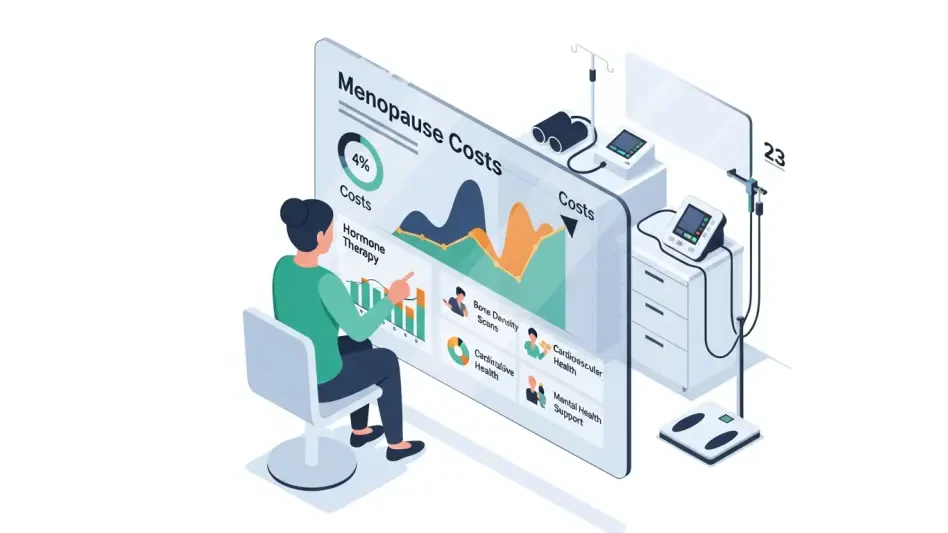

The transition into menopause often goes unnoticed by managed care systems, yet it silently destabilizes the physiological health of millions of women while simultaneously inflating annual medical expenditures by billions of dollars across the country. This physiological shift is far from a simple life stage characterized by temporary discomfort; it functions as a primary driver of medical instability for those already managing high-risk profiles. When the healthcare system ignores the systemic impact of hormonal volatility, it inadvertently creates an environment where manageable chronic conditions transform into volatile and expensive medical liabilities.
Stakeholders in the insurance and clinical sectors are beginning to realize that failing to address hormonal health leads to a cascading effect of poor outcomes. The lack of standardized care during perimenopause forces patients to navigate a complex medical landscape on their own, often resulting in fragmented care and misdiagnosed symptoms. By repositioning menopause as a primary health driver, healthcare organizations can begin to address the root causes of medical instability in a demographic that is currently at the peak of its healthcare utilization.
The Twenty-Four Billion Dollar Blind Spot in Modern Managed Care
While menopause is frequently discussed as a personal transition, it currently functions as a massive and unaddressed financial drain on the American healthcare system. Recent estimates indicate that menopause-related healthcare costs now exceed $24 billion annually, driven largely by a surge in diagnostic testing and avoidable emergency department visits. Patients experiencing the onset of perimenopause often present with a wide array of non-specific symptoms that mimic other serious conditions, leading to a battery of expensive and often redundant clinical assessments that fail to identify the underlying hormonal cause.
Rather than being a discrete and isolated life stage, menopause acts as a clinical catalyst that destabilizes existing health profiles. For individuals with underlying vulnerabilities, the physiological changes associated with decreasing estrogen levels can trigger a breakdown in systemic homeostasis. This results in a significant increase in outpatient utilization as patients seek answers for weight gain, heart palpitations, and metabolic shifts. Without a coordinated approach, these interactions remain siloed, leading to inefficient resource allocation and a failure to address the core driver of the patient’s deteriorating health status.
Bridging the Gap: Hormonal Transitions and Chronic Disease Management
The intersection of menopause and chronic illness represents a significant public health challenge that remains largely ignored by traditional care models. More than half of American adults manage multiple chronic conditions, a demographic that perfectly overlaps with the age at which women enter perimenopause and menopause. Despite the high stakes involved in managing this overlap, approximately 80% of women navigating these physiological changes do not receive adequate medical intervention. This care gap forces patients to rely on non-traditional therapies and anecdotal advice, creating a high-risk environment for those already clinically fragile.
Self-management of complex biological shifts often leads to the further destabilization of primary health conditions like diabetes and hypertension. When a patient lacks access to evidence-based hormonal management, they may inadvertently adopt lifestyle changes or supplements that interfere with their existing treatment plans. This creates a disconnect between the patient’s lived experience and their clinical records, as primary care providers may not be aware of the supplementary measures being taken to manage menopausal symptoms. Bridging this gap requires a fundamental shift in how midlife health is integrated into long-term chronic disease management.
Menopause: A Clinical Catalyst for Metabolic and Cardiovascular Instability
The hormonal fluctuations inherent in the transition to menopause do not occur in a vacuum; they directly influence metabolic function, bone density, and cardiovascular health. For a woman already managing hypertension, the weight gain and sleep disturbances associated with menopause make blood pressure significantly harder to regulate, leading to a compounding effect on her overall clinical risk. This “unmanaged health risk” creates a cycle of amplified utilization where the cost of treating high-risk members spikes because the underlying driver—the hormonal transition—is treated as a separate or irrelevant factor.
Current siloed care models fail because they treat menopause symptoms and chronic diseases as isolated issues rather than a unified physiological disruption. When metabolic health declines during the menopausal transition, it can exacerbate insulin resistance and lipid imbalances, making diabetes and heart disease much more difficult to control. This clinical synergy means that treating the chronic condition without addressing the hormonal catalyst is akin to treating the symptoms of a fire without extinguishing the source. A more holistic approach recognizes that hormonal health is foundational to cardiovascular and metabolic stability.
Quantifying the Impact: Polypharmacy and Medication Non-Adherence
A critical pressure point in the midlife health journey is the breakdown of medication adherence, often illustrated by the profile of women in their late 40s who struggle to balance new symptom relief with existing prescriptions. As patients introduce supplements, herbal remedies, and hormone therapies to manage anxiety or weight gain, the complexity of their daily regimens often leads to missed doses of essential chronic disease medications. Research suggests that this polypharmacy complexity frequently triggers acute care episodes, such as hypertensive crises or diabetic complications, which are then treated in isolation.
These emergencies are often misattributed to the natural progression of the chronic disease itself, masking the reality that the underlying cause was the uncoordinated management of menopausal symptoms. The introduction of over-the-counter remedies can also lead to dangerous drug interactions that are not caught by traditional pharmacy benefit managers if the patient is purchasing these items outside of their insurance plan. This lack of oversight increases the risk of hospitalization and further inflates the total cost of care for high-risk populations, making medication reconciliation a vital component of midlife health management.
Implementing a Multi-Condition Strategy for Integrated Population Health
To reduce unnecessary expenditures and improve member outcomes, health plans must shift toward a value-based, integrated population health framework. This transition begins with advanced risk stratification, using age and existing health data to proactively identify women who are most vulnerable to hormonal volatility. A pharmacist-led intervention model is essential for success, as clinical pharmacists are uniquely positioned to simplify complex medication regimens and identify dangerous drug interactions before they lead to costly hospitalizations.
Health plans that integrated these strategies moved closer to achieving the goals of better care and lower total costs. Stakeholders recognized that menopause was not a standalone symptom set but a powerful clinical variable that influenced the efficacy of all other treatments. By the time these integrated approaches were established, the industry observed a marked reduction in emergency room visits and a significant improvement in member stability. These organizations successfully pivoted from reactive care to a model of coordination that honored the biological complexity of aging. The shift effectively neutralized a major source of medical inflation while providing high-risk patients with the security of a unified care team.