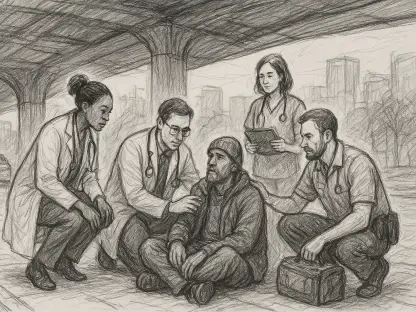

The fragile wall of immunity that once shielded the American public from the highly contagious measles virus is currently showing visible cracks, threatening to dismantle decades of progress in infectious disease control. As the nation grapples with a surge of over 4,000 cases, the very status of the United States as a country that has eliminated measles hangs in the balance. This crisis is not merely a failure of biology but a complex breakdown in public health communication and national security. The loss of herd immunity creates an environment where a single traveler can ignite a localized epidemic, placing an enormous strain on healthcare infrastructure and economic stability.
Maintaining the 95% vaccination threshold is the only scientifically proven method to ensure that the virus cannot find enough susceptible hosts to sustain a chain of transmission. However, as rates continue to slip, the risks extend beyond individual illness to a broader destabilization of the health system. High-ranking officials and influential public figures have increasingly utilized their platforms to cast doubt on the efficacy and safety of the Measles, Mumps, and Rubella (MMR) vaccine. This rhetoric has found a particularly strong foothold in religious and conservative enclaves, where historical skepticism is being fueled by modern digital misinformation.
The MMR vaccine remains one of the most strictly regulated medical products in the world, governed by oversight from the Food and Drug Administration (FDA) and international health bodies. Its role in global health is foundational, yet the current climate of distrust suggests that regulatory transparency alone may no longer be sufficient. Addressing the crisis requires a deep dive into the specific claims driving hesitancy, specifically those regarding the manufacturing process and the biological components of the vaccine itself.
Tracking the Catalyst of the Outbreak and Projections for Community Immunity
Prevailing Trends in Vaccine Hesitancy and the Proliferation of Misinformation
The shift in consumer behavior toward vaccine refusal is largely driven by pseudo-scientific claims that distort the reality of vaccine ingredients. Digital platforms have become echo chambers for the idea that modern immunizations are contaminated with harmful biological matter. This narrative often targets the use of human cell strains, twisting the historical context of their development to suggest that vaccines contain “millions of fragments” of fetal tissue. Such claims capitalize on a lack of specialized biological knowledge among the general public, turning a sophisticated manufacturing necessity into a source of moral and physical fear.
Political figures have further amplified these concerns by questioning the safety of residual DNA and specific cell strains used in the production process. By recontextualizing historical manufacturing milestones as modern-day ethical violations, these influencers have successfully created a sense of urgency and alarm. This trend reflects a broader cultural movement where individual intuition is often prioritized over peer-reviewed data, leading to a significant decline in the acceptance of established medical protocols.
Statistical Performance Indicators and the Forecast for Infectious Disease Control
Recent data indicates a troubling decline in kindergarten vaccination rates, which have dropped from a stable 95.2% to a precarious 92.5%. While a few percentage points might seem negligible to the layperson, in the context of virology, it represents a catastrophic opening for pathogens. If this downward trend persists through the coming years, projections suggest that measles will transition from an occasional outbreak scenario to becoming endemic in the United States once again. This would mean the virus circulates constantly within the population, leading to predictable and repeated waves of illness.
Geographical analysis reveals that sixteen states have already fallen below the critical safety threshold required to prevent sustained transmission. These “pockets of vulnerability” are often located in regions with high concentrations of vaccine-exempt populations. As these geographical gaps widen, the likelihood of cross-border transmission increases, making it nearly impossible for health agencies to contain the virus through traditional contact tracing and quarantine measures.
Navigating the Complexities of Cell Strain Science and Biological Misconceptions
One of the primary challenges in modern public health is explaining the difference between original tissue and laboratory-grown cell strains. The MMR vaccine utilizes strains such as WI-38 and MRC-5, which are the descendants of cells isolated in the 1960s. These are not “aborted fetal tissue” in any literal sense; they are specialized laboratory cultures that have been maintained for over sixty years. Communicating this nuance to a non-scientific audience is difficult, especially when sensationalist language is used to bypass rational discourse.
The “finite lifespan” of these strains is actually a critical safety feature that prevents the use of potentially carcinogenic “immortal” cell lines. Because these cells naturally stop replicating after a certain number of cycles, they provide a stable and predictable environment for growing weakened viruses without the risk of spontaneous mutation. Public health agencies must find better ways to explain these technical safeguards, as the current information gap allows skeptics to frame these safety measures as hidden dangers.
Furthermore, the narrative surrounding “DNA fragments” ignores basic biological reality. For DNA to have any functional impact, it must be of a certain length and sequence to integrate into a host’s genome or produce a protein. The fragments found in vaccines are reduced to very short base-pair lengths, making genomic integration a biological impossibility. Agencies need to bridge this gap by moving away from purely technical jargon and toward relatable metaphors that explain why these trace elements are as harmless as the environmental DNA people encounter every day.
The Regulatory Landscape and Global Safety Standards for Vaccine Manufacturing
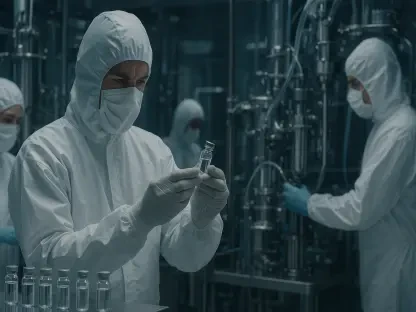
Rigorous international standards governed by the World Health Organization (WHO) ensure that vaccines meet strict purity requirements before reaching the public. Specifically, there is a 10-nanogram limit for residual DNA in products derived from continuous cell lines. However, for finite strains like those used in the MMR vaccine, the safety profile is even more robust. The purification processes used during manufacturing are designed to strip away virtually all cellular debris, leaving only the necessary viral antigens and stabilizing components.
Compliance with these safety protocols is a significant driver of manufacturing costs, reflecting the industry’s commitment to purity and safety. The legal frameworks that govern these processes are designed to be transparent, yet the complexity of the data often remains inaccessible to the public. International safety benchmarks serve as a vital check on industry practices, ensuring that regardless of where a vaccine is produced, it adheres to the same stringent quality controls that maintain public trust on a global scale.
The distinction between finite and continuous cell lines is central to safety protocols. Continuous lines can replicate indefinitely but require more intensive purification to ensure no oncogenic material remains. Finite lines, while more limited in production capacity, offer an inherent layer of safety that has been validated by billions of administered doses over several decades. These benchmarks are not just bureaucratic hurdles; they are the foundation of the industry’s ethical and scientific integrity.
Future Outlook: Innovation in Communication and the Path to Rebuilding Trust
The role of moral and religious authorities is becoming increasingly central to the future of vaccine acceptance. Organizations like the Vatican’s Pontifical Academy for Life have already provided a framework for navigating the ethical concerns surrounding cell strains, emphasizing the moral obligation to protect the common good. In the coming years, public health officials must collaborate more closely with these leaders to reach communities that have become insular due to misinformation.
There is also a growing potential for innovation in manufacturing transparency. Clearer labeling and the adoption of “open-source” style documentation regarding ingredients could help demystify the vaccine for a skeptical public. By leaning into transparency rather than dismissing concerns, the industry can begin to rebuild the trust that has been eroded by years of digital rumors. Global economic stability depends on this trust, as large-scale outbreaks result in significant workforce disruptions and increased social welfare costs.
New regulatory measures will likely focus on curbing the spread of health-related disinformation on digital platforms. While the balance between free speech and public safety is delicate, the tangible harm caused by the current measles resurgence may catalyze stricter standards for health claims online. The future of public health will likely be defined by a more proactive approach to education, where potential misconceptions are addressed long before they have the chance to take root in the public consciousness.
Final Assessment of Public Health Prospects and the Imperative for Immunization
The scientific investigation into the MMR vaccine reaffirmed its status as a pinnacle of preventative medicine, effectively debunking any supposed links between residual DNA fragments and developmental disorders like autism. The evidence demonstrated that the trace amounts of biological material are both functional insignificancies and regulatory non-issues. It was clear that the safety protocols already in place were more than sufficient to protect the recipients, yet the psychological barrier created by misinformation remained the most difficult obstacle to overcome.
Healthcare providers and policymakers must now move toward a model of “radical transparency” to secure the health of future generations. This involves not only defending the vaccine but proactively addressing the specific anxieties of vulnerable populations through localized, community-based outreach. The goal should be a restoration of the 95% vaccination rate, treated not just as a statistical target but as a collective societal shield. The experience of the recent outbreak served as a stark reminder that in the absence of truth, preventable diseases will always find a way to return.
Moving forward, the focus shifted toward integrating health literacy into standard education and ensuring that medical professionals were equipped to handle complex ethical inquiries with empathy and scientific rigor. The path to eradicating measles once again required more than just medicine; it demanded a renewed commitment to the shared facts that underpin a healthy society. By prioritizing clear communication and honoring the concerns of the public without compromising on scientific truth, the health community aimed to prevent the current crisis from becoming a permanent fixture of the national landscape.