
The rapid acceleration of demographic aging in Malaysia presents a unique challenge that threatens to overwhelm a medical system designed primarily for a much younger population. By 2040, the nation is expected to reach a status where nearly 15 percent of the citizenry is aged 65 or older, representing a massive shift that demands more than just incremental adjustments to existing policies. Historically, the success of the healthcare sector was measured by the reduction of infant mortality and the control of communicable diseases, yet these metrics do not address the nuanced requirements of a graying society. Modern medicine often falls into the trap of focusing exclusively on clinical markers like blood glucose or lipid profiles, neglecting the more subjective but equally vital indicators of well-being such as mental acuity, mobility, and social connection. Transitioning toward a person-centered care model requires recognizing that a senior may have perfect laboratory results but still suffer from a debilitating lack of independence or severe loneliness.
Socio-Economic Shifts: The Erosion of Family Support Systems
The urgency for systemic reform is compounded by the swift disintegration of the traditional multi-generational household, which once served as the primary safety net for the elderly. As urbanization continues to pull the younger workforce toward major economic hubs, many seniors are left behind in rural areas or isolated within urban apartments, separated from the daily physical support of their children. This demographic drift has created a significant caregiver burden for the “sandwich generation,” who must now manage their own careers and children while coordinating care for aging parents from a distance. The resulting stress often leads to a decline in health for both the caregiver and the recipient, highlighting the inadequacy of relying on informal family structures to manage complex geriatric needs. Without a formal institutional framework to supplement these fading traditions, the gap between the demand for care and the available supply of support will only continue to widen.
Current healthcare strategies in the region remain largely reactive, focusing on crisis management rather than the preservation of long-term functional health. In this fragmented system, elderly patients often only receive medical attention after a catastrophic event, such as a severe fall leading to a hip fracture or a stroke, by which point the damage to their independence is often irreversible. This approach fails to account for the gradual physical and cognitive declines, such as sarcopenia or early-stage dementia, that typically precede these emergencies and could be mitigated through early intervention. By treating health as a series of isolated incidents rather than a continuous life journey, the current model incurs massive public expenditures through repetitive hospitalizations and intensive emergency services. Shifting the focus toward proactive monitoring and community-based preventative care is essential to breaking this cycle of decline and ensuring that the healthcare budget remains sustainable.
Innovative Models: Integrated Care and Aging in Place
To find a viable path forward, policymakers must examine successful global examples of integrated care that prioritize the concept of “aging-in-place” over institutionalization. Countries like Singapore and various Nordic nations have demonstrated that seniors thrive when they are allowed to remain in their own homes while supported by a network of coordinated community services. These models emphasize that maintaining a person’s ability to navigate their familiar neighborhood is far more cost-effective and humane than waiting until they require expensive, around-the-clock nursing care. Integrating health and social services at the local level ensures that a senior’s nutritional, physical, and emotional needs are met before they escalate into medical crises. Implementing such a framework in Malaysia would require a fundamental restructuring of how primary care clinics interact with social welfare agencies to create a seamless experience for the elderly population.
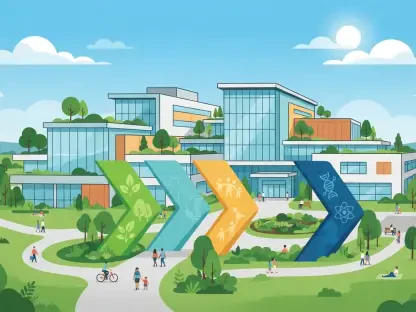
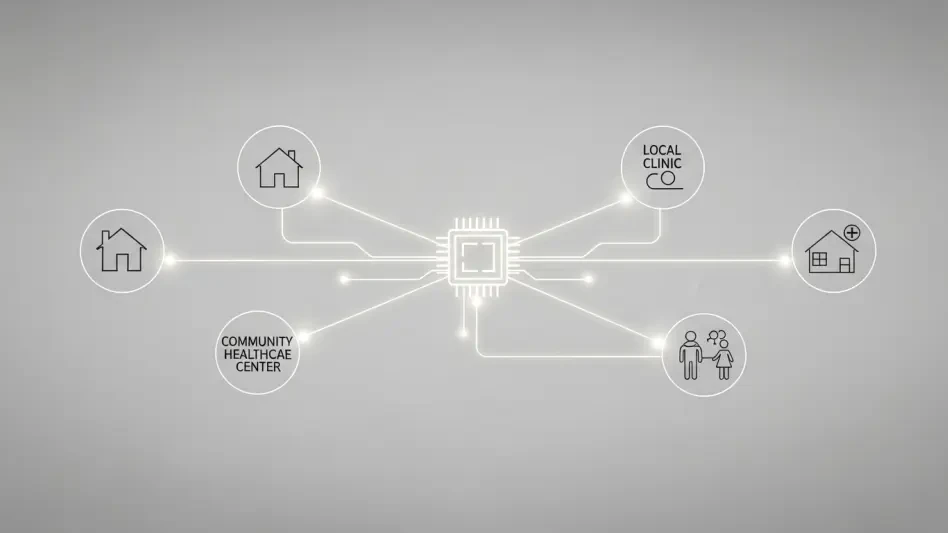
A practical implementation of this vision involves the establishment of localized Healthy Aging Hubs that utilize existing community spaces rather than building expensive new hospitals. These centers would function as high-tech gateways for preventative screenings, focusing on frailty assessments and cognitive health checks that are often skipped in traditional clinical settings. Beyond medical diagnostics, these hubs could offer tailored exercise programs designed to combat muscle wasting and nutritional workshops that address the specific dietary requirements of the elderly. By serving as a bridge between the clinical world and daily social life, these centers would help seniors remain physically active and mentally sharp within their own neighborhoods. Such a decentralized approach not only reduces the strain on tertiary hospitals but also fosters a sense of belonging and purpose, which are critical components of healthy aging that medicine alone cannot provide.
Cultural Transformation: Prescribing Social Integration and Purpose
The role of the family physician must evolve to include the practice of social prescribing, a concept that recognizes the profound impact of isolation on physical health outcomes. Under this model, doctors would prescribe social activities—such as joining a local gardening club, attending a digital literacy class, or participating in a community volunteer group—as a formal part of a patient’s health management plan. Since chronic loneliness has been linked to increased risks of cardiovascular disease and accelerated cognitive decline, addressing these social determinants of health is just as vital as managing hypertension or diabetes. By integrating social health into the medical curriculum, the system can begin to treat the person as a whole, acknowledging that their environment and relationships are key predictors of their overall longevity. This shift requires a broader cultural acceptance that well-being is a collective responsibility shared by medical professionals and the community.
In the final analysis, the successful transition to a healthy aging framework necessitated a total shift in how society perceived its older members. The narrative moved away from viewing the elderly as a financial burden or a drain on resources, instead recognizing them as valuable repositories of experience and social capital. Reforming the system was not merely about reducing the number of occupied hospital beds; it was about empowering individuals to maintain their dignity and remain active contributors to the economy and society for as long as possible. Strategic steps were taken to invest in age-friendly infrastructure and to implement digital health platforms that allowed for remote monitoring of chronic conditions. By prioritizing functional independence and early intervention, the nation established a resilient framework where growing older became a new chapter of active living. This evolution ensured that the healthcare system was prepared to support a society where age was no longer a barrier to a purposeful life.