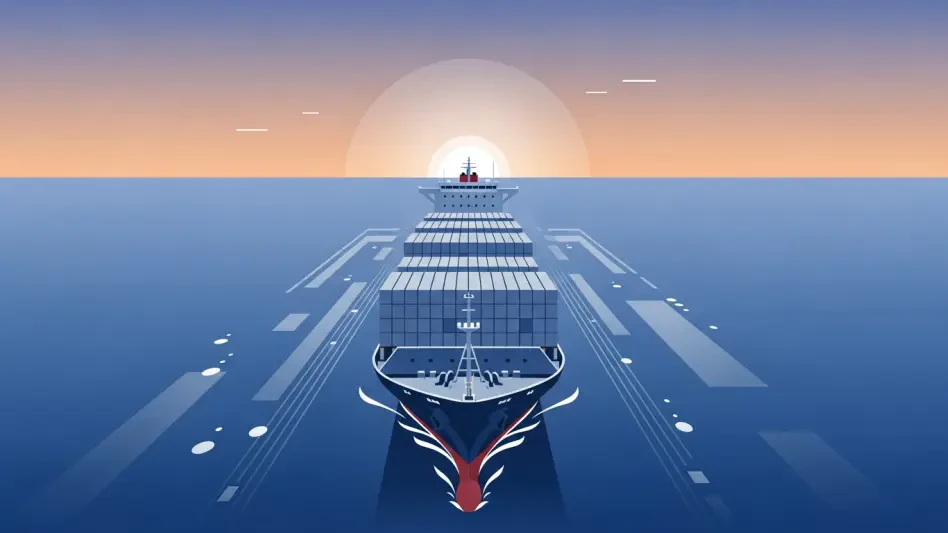

The staggering reality of modern medicine is that a life-saving pharmaceutical product is effectively non-existent if it remains trapped in a shipping container thousands of miles from the patient in need. While global health initiatives have made incredible strides in lowering the costs of essential medicines, a massive gap persists between the factory gate and the clinic. Experts like Ankur Mutreja and Paul Kattuman describe this as an overlooked logistics problem that has escalated into a humanitarian emergency in 2026. The world has mastered the art of market shaping and bulk purchasing, yet it remains remarkably vulnerable to the physical disruptions that halt supply lines. When fuel is unavailable or roads are impassable, the sophisticated biological engineering inside a vial of vaccine matters very little. This disconnect highlights a fundamental flaw in how the international community approaches health security, focusing heavily on the product while ignoring the complex journey required to deliver it to those who are suffering most.
The Human and Economic Cost of Logistical Failure
Case Studies: Systemic Failures in Delivery
The human consequences of these broken links are best illustrated by the story of 11-month-old Ruweido in Somalia, whose survival was threatened not by a lack of resources, but by a failure in the delivery system. Even though ready-to-use therapeutic food had been manufactured and paid for by international donors, shipments were stuck at ports due to cargo diversions and regional instability. This demonstrates that manufacturing resilience and financial commitments are insufficient if geopolitical conflict can sever the connection between supply and demand so easily. When logistics fail, a manageable health challenge quickly transforms into a life-threatening crisis for the most vulnerable populations. The inability to protect these transport routes means that children like Ruweido suffer from malnutrition despite the availability of life-saving food just a few hundred miles away. It is a sobering reminder that the final miles of a delivery are often the most treacherous and least protected.
Beyond Somalia, the fragility of these systems is evident in the aftermath of catastrophic events like the floods in Pakistan or the ongoing civil unrest in Myanmar. In Pakistan, the destruction of infrastructure meant that even when medicine reached the country, it could not be distributed to rural areas where waterborne diseases were rampant. Similarly, in Myanmar, conflict has interrupted the supply of essential HIV treatments, forcing patients to default on their regimens. In island nations such as the Philippines and Indonesia, the logistical challenges are compounded by the sheer geography of the last mile. As fuel costs rise, the economic burden of reaching remote island communities becomes unsustainable for local health ministries. These regions are often the first to be cut off from essential supplies, proving that the further a patient is from a major hub, the higher the risk of being abandoned by a system that prioritizes efficiency over reach.
Economic Volatility: The Price of Uncertainty
The central issue lies in the profound disconnect between making a product affordable and making it consistently accessible at the point of care. Organizations like the World Health Organization and Gavi have successfully driven down prices through bulk purchasing and market shaping, but these fiscal victories are often erased by sudden economic shocks. When freight expenses skyrocket due to global fuel price spikes or insurance premiums increase because of regional conflicts, the original cost savings disappear. Health ministries in low-income countries, operating on razor-thin budgets, find themselves in an impossible position where they can no longer afford the transportation costs to clear their own supplies from customs. Consequently, essential medicines sit in warehouses expiring while the patients they were intended for remain untreated. This volatility transforms a logistical hurdle into a financial barrier that many nations are simply not equipped to overcome.
Furthermore, the lack of a buffer for these fluctuating costs means that any disruption in the global shipping market has an immediate and devastating impact on public health outcomes. Shipping routes that were once reliable can become prohibitively expensive or dangerous overnight, leading to a total collapse of the supply chain for specific regions. This instability is not just a temporary inconvenience but a systemic failure that disproportionately affects nations with the least amount of financial resilience. When shipping containers are redirected or held up at transshipment hubs, the resulting delays can lead to national stockouts of critical vaccines or antibiotics. The current global health architecture lacks the necessary mechanisms to absorb these price shocks, leaving the movement of vital supplies at the mercy of market forces that do not account for human life. Without a way to stabilize logistics costs, pharmaceutical affordability remains at risk.
Building a Resilient Framework for Global Health
The Humanitarian Logistics Shock Facility: A New Mechanism
To address these recurring failures, the proposed creation of a Humanitarian Logistics Shock Facility (HLSF) offers a pre-funded mechanism designed to keep essential goods moving when traditional routes falter. Unlike traditional aid, which is often reactive and takes months to mobilize following a disaster, the HLSF would function as a proactive insurance policy for global health. By using automatic triggers linked to specific metrics, such as sudden surges in fuel prices, port closures, or spikes in maritime insurance rates, the facility could release funds almost instantaneously. This speed is critical because, in a health crisis, every day of delay results in preventable deaths. The HLSF would provide the necessary liquidity to cover increased freight costs, ensuring that health ministries do not have to choose between paying for transport and purchasing other essential services. It shifts the burden of risk from individual vulnerable nations to a collective international fund.
This facility would specifically prioritize the most challenging segments of the supply chain, ensuring that supplies reach remote clinics rather than languishing at primary ports. By integrating the HLSF into existing global health structures, the international community can leverage its existing expertise in market shaping to protect the entire logistics chain from start to finish. This shift ensures that the physical movement of goods is treated with the same financial urgency and strategic importance as the initial purchase of the medicine itself. When the logistics chain is viewed as a vital part of the medical intervention, the focus moves toward maintaining a continuous flow of supplies regardless of external pressures. Protecting the transport of goods ensures that the multi-billion dollar investments in drug development and manufacturing are not wasted due to a localized transport failure. This structural innovation marks a transition toward a more comprehensive understanding of health equity.
Shifting the Paradigm: From Efficiency to Resilience
Modern supply chains have been optimized for just-in-time efficiency, a lean approach that works remarkably well during periods of global stability but crumbles almost immediately during a major crisis. In this model, spare capacity is often viewed as a waste of capital, an unnecessary expense that should be eliminated to maximize cost-effectiveness. However, in the context of global health, that spare capacity is actually the essential margin of safety that determines whether a clinic stays stocked during a natural disaster or a conflict. The global health community must move away from this narrow focus on extreme cost-cutting and begin valuing resilience as a core component of health security. This means recognizing that having a stockpile of fuel or maintaining alternative shipping routes is not an inefficiency, but a vital insurance policy. Resilience requires a willingness to invest in redundancy, ensuring that there are multiple pathways for life-saving goods to reach their destination.
The global health architecture successfully transitioned toward protecting the entire journey of a commodity, ensuring that aid actually reached the people it was meant to save. By establishing a dedicated financial shock absorber for logistics, the international community provided a model for how to secure health supplies in an increasingly volatile world. Actionable next steps included the mandatory inclusion of logistics risk assessments in all global health grants and the expansion of the Humanitarian Logistics Shock Facility to cover regional transportation networks. These measures ensured that a patient’s survival did not depend on whether a specific shipping route remained clear or if fuel prices stayed stable. The shift from a focus on procurement to a focus on resilient delivery systems created a more equitable health landscape where geography was no longer a death sentence. By valuing resilience over short-term efficiency, the world finally addressed the missing link in global health, securing a future where the medicine actually reached the patient.