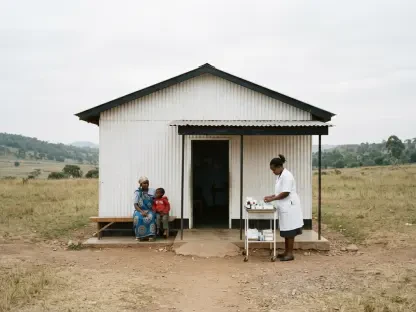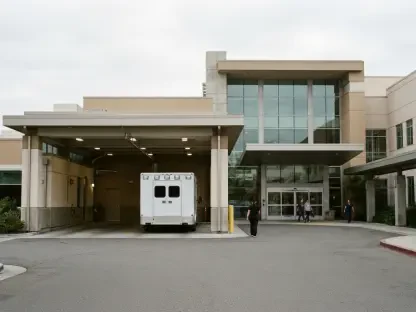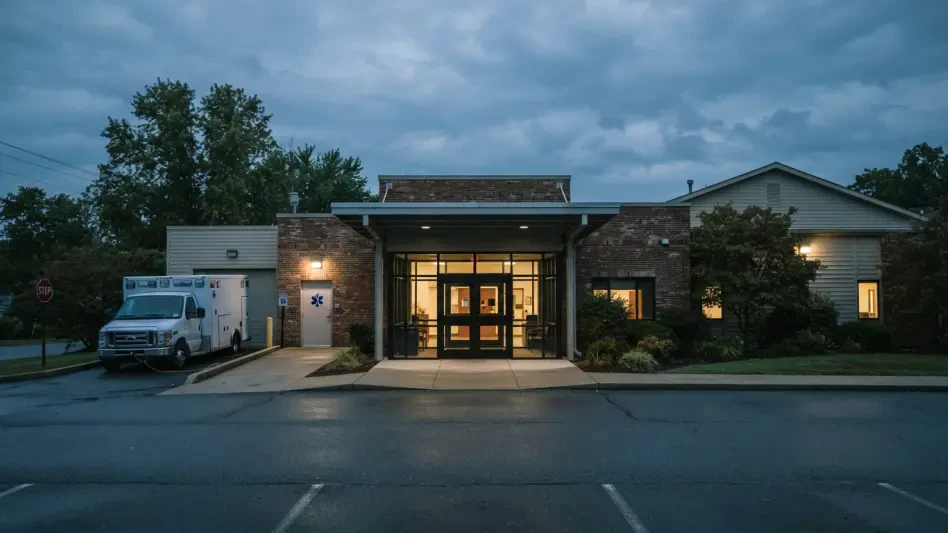

Courtney McCowan passed away in a concrete parking lot just eleven minutes after the Port Hardy Hospital emergency department closed for the night. This 48-year-old woman arrived in severe medical distress at 5:11 p.m., only to find that the facility doors had been locked precisely at 5:00 p.m. due to a persistent shortage of healthcare workers. For nearly four years, this emergency department has operated on a restricted schedule, leaving residents without local critical care during the evening hours. Paramedics worked on McCowan for 39 minutes on the pavement while life-saving equipment sat mere feet away behind glass and steel. This tragedy has sparked a national debate about whether a person’s geographic location is now the primary factor in their chances of surviving a medical crisis. The incident underscores a grim reality where rural residents are essentially being told that their emergencies must conform to a business-hours schedule, highlighting a profound failure in provincial infrastructure.
The Crisis of Rural Medical Access
Systematic Failures: Remote Infrastructure Gaps
The structural decline of rural emergency services has transformed from a localized inconvenience into a systemic threat to public safety across remote regions. In communities like Port Hardy, the restricted operational hours are not a recent anomaly but rather a lingering symptom of a healthcare system that has prioritized urban density over rural accessibility. For four years, the predictable 5:00 p.m. closure of the ER has created a dangerous dead zone for medical emergencies, forcing local paramedics to function as makeshift trauma units in parking lots or during long-distance transports to larger hubs. Dr. Johnny Chang, president-elect of the BC College of Family Physicians, noted that such neglect has essentially institutionalized a tiered healthcare system where rural residents are denied basic rights to life-saving care. The gap between provincial health mandates and actual service delivery has widened, leaving small communities to navigate a landscape where hospital proximity provides false security.
Human Resource Deficits: The Impact of Chronic Staffing Shortages
The shortage of medical professionals in rural settings is driven by a complex interplay of burnout, inadequate incentives, and a lack of support for practitioners working in isolation. In the current 2026 landscape, the competition for qualified nurses and physicians has reached a breaking point, with many choosing high-paying urban roles or traveling agency work over permanent rural placements. This brain drain leaves facilities like the Port Hardy Hospital unable to maintain a full 24-hour rotation, leading to the shuttering phenomenon that claimed the life of Courtney McCowan. Beyond the numbers, these shortages create a high-pressure environment for the few staff members who remain, often resulting in secondary trauma and further departures. When an emergency department closes, the burden shifts entirely to paramedics, who must manage critical patients without the specialized diagnostic tools or surgical suites available inside the locked hospital. This shift in responsibility has created an unsustainable cycle of risk.
Strategic Initiatives for Systemic Reform
Policy Evaluation: Legislative and Fiscal Responses
In response to the mounting public outcry, the newly elected government has faced immense pressure to rectify these long-standing disparities through immediate fiscal and administrative action. Premier Lorne Doerkson recently announced a $50 million emergency fund specifically dedicated to stabilizing rural medical practices, yet skeptics argue that money alone cannot solve the recruitment crisis. The provincial plan includes flexible staffing initiatives designed to bridge the gap between 2026 and 2028, aiming to eliminate overnight closures by providing housing subsidies and debt forgiveness for rural doctors. However, Health Minister Ryan Peterson’s promises of thorough reviews offer little comfort to a community that has spent years warning officials about the danger of locked ER doors. The ongoing investigation by Island Health and BC Emergency Services is expected to scrutinize the communication protocols that prevented McCowan from accessing the facility during her final moments.
Sustainable Solutions: Actionable Steps for Healthcare Equity
The tragic loss of Courtney McCowan in Port Hardy served as a definitive turning point in the conversation regarding rural medical safety and the responsibilities of the state. It became clear that the historical reliance on volunteerism and temporary staffing was no longer a viable strategy for maintaining a functional healthcare safety net. To prevent future occurrences, policymakers recognized the need for a national standard for emergency access that would mandate minimum service levels regardless of a community’s population size. This led to a proposed overhaul of provincial health acts to include strict penalties for failing to provide 24-hour emergency coverage in designated regions. The transition toward a more resilient system required a multi-faceted approach involving the expansion of paramedic scopes of practice and the implementation of mobile surgical units. By focusing on structural equity and practitioner retention, the province began to address the systemic failures that allowed a life to be lost on a hospital doorstep.