
The healthcare landscape shifted significantly in May 2026 when the FDA granted approval to the first biosimilar versions of golimumab, marking a new chapter for millions of patients. This regulatory milestone introduced Immgolis and Immgolis Intri as alternatives to the established reference products, Simponi and Simponi Aria, effectively completing the competitive landscape for major anti-TNF therapies. For nearly a decade, golimumab remained one of the few high-cost biologics without a direct biosimilar rival, creating a gap in the market that hindered cost-saving initiatives for many health systems. With these new entries, the pharmaceutical industry reached a tipping point where every major tumor necrosis factor inhibitor now faces direct competition. This shift is not merely about providing more choices; it represents a fundamental move toward long-term sustainability in the treatment of inflammatory conditions, where biological interventions often dominate the spending. By providing an affordable path to high-quality care, these products are set to drive down costs across the country.
Treatment Flexibility: Versatility in Delivery and Clinical Rigor
Flexibility in treatment remains a cornerstone of managing autoimmune diseases, and the dual approval of Immgolis and Immgolis Intri addresses this need by mirroring the reference drug’s delivery formats. Immgolis is formulated for subcutaneous injection, allowing for the convenience of self-administration at home, while Immgolis Intri is designed for intravenous infusion for clinical use. These medications are authorized for a wide array of conditions, including rheumatoid arthritis, psoriatic arthritis, ankylosing spondylitis, and ulcerative colitis. By offering both administration routes from the outset, the developer ensured that the transition from the branded biologic to the biosimilar did not disrupt the established care routines that patients and their doctors spent years perfecting. This strategic alignment helps minimize the psychological and logistical barriers to switching therapies in complex cases where consistency is paramount for managing long-term health outcomes and preventing the progression of chronic inflammation.
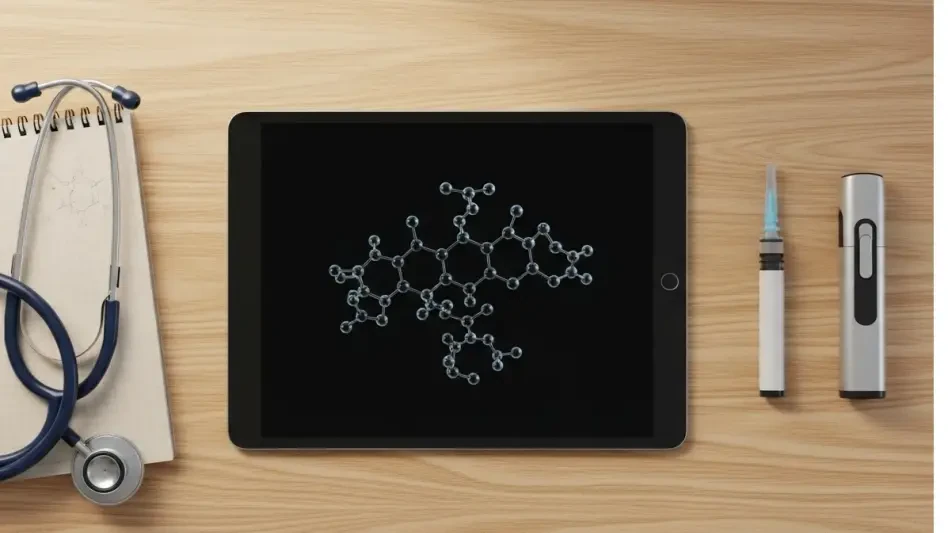
The regulatory pathway for these biosimilars was built upon a totality of evidence framework, which is a comprehensive evaluation strategy that leaves no room for clinical ambiguity. Scientists conducted an exhaustive array of analytical tests to ensure that the molecular structure, protein folding, and binding affinity of the biosimilars were nearly identical to the reference biologic. This process involved high-resolution mass spectrometry and biological assays that compared the biosimilars to multiple batches of the original drug over an extended period. The results demonstrated that the manufacturing process is capable of producing a consistent product that matches the biological activity of the reference drug in every meaningful way. Furthermore, clinical data showed no meaningful differences in safety, purity, or potency, including the risk of infections or injection-site reactions. This level of scientific rigor ensured that the products maintained a consistent profile that healthcare providers could trust when making long-term clinical decisions.
Market Evolution: Interchangeability and Strategic Integration
One of the most impactful aspects of this recent FDA decision is the granting of the interchangeable designation to both the subcutaneous and intravenous formulations of the new biosimilars. This status was earned through rigorous switching studies proving that patients can move back and forth between the reference drug and the biosimilar multiple times without any discernible loss in efficacy or increase in safety risks. These studies provide a robust layer of evidence that goes beyond simple biosimilarity, offering reassurance to both clinicians and patients who might worry about non-medical switching. From a practical standpoint, the interchangeable status significantly alters the pharmacy landscape by allowing for automatic substitution in many jurisdictions without requiring a new prescription from the provider. This creates a more streamlined process for patients, who may find that their insurance coverage has shifted toward the biosimilar to reduce out-of-pocket costs, thereby removing the administrative burden of obtaining fresh signatures.
The successful integration of these biosimilars into the healthcare ecosystem from 2026 to 2028 depended on proactive management by healthcare providers and insurance administrators who sought to balance cost and care. Payers evaluated their formularies to determine how these new options could be leveraged to maximize savings while ensuring uninterrupted patient access to vital therapies. At the clinical level, physicians and nurse practitioners prepared to educate their patients on the benefits of biosimilars, emphasizing that these medications offered the same efficacy and safety as the brand-name versions used previously. This transition also presented an opportunity for health systems to reinvest the savings generated from biosimilar adoption into other areas of patient support, such as expanded telehealth services or improved diagnostic tools. By embracing this new wave of anti-TNF competition, the medical community fostered a more sustainable and accessible environment for inflammatory disease management, ensuring that scientific breakthroughs remained within reach.