
Modern healthcare systems have spent the last decade flooding the market with patient portals and specialized apps, yet this digital abundance has inadvertently created a labyrinth of frustration that distances patients from the very care they desperately seek to access. While the initial wave of digital transformation aimed to empower individuals, the result is often a fragmented mess of disparate logins and redundant notifications. For a patient managing a complex chronic condition, the requirement to navigate five different portals just to view lab results or message a specialist adds a layer of cognitive labor that many simply cannot sustain.
This friction has reached a critical threshold where the technology intended to streamline life is now a primary source of stress. Unlike a retail notification that suggests a pair of shoes, a healthcare alert carries the heavy emotional weight of clinical urgency. When these alerts arrive in a disorganized fashion across multiple platforms, the patient’s natural response is to retreat. This tipping point marks the transition from digital adoption to digital fatigue, where the sheer volume of “noise” forces users to tune out, potentially missing vital medical information in the process.
The Paradox of Progress: When More Digital Tools Mean Less Patient Engagement
The rapid expansion of the digital health ecosystem was built on the premise that more options would lead to better access. However, the reality of the current landscape reveals that isolated technological investments in artificial intelligence, scheduling software, and messaging portals have created a disjointed experience. Patients often find themselves caught between a telehealth app for urgent care and a separate hospital portal for surgery follow-up, with neither system communicating effectively with the other. This lack of integration forces the user to act as the primary bridge between silos, a task that becomes increasingly difficult as more specialized tools enter the market.
Furthermore, the emotional stakes involved in healthcare mean that digital friction is significantly more damaging than in other industries. In a retail or hospitality setting, a forgotten password is a minor inconvenience; in a clinical setting, it can be a barrier to life-altering treatment. When communication feels redundant or disorganized, it does more than just annoy the user; it actively undermines the trust that a health system has worked years to build. This erosion of trust leads to a sharp decline in return on investment for health systems that continue to push fragmented solutions onto an already exhausted population.
The Rise of Digital Fatigue in the Modern Clinical Landscape
Digital fatigue is no longer a theoretical concern but a measurable phenomenon where cognitive overload leads to a total withdrawal from digital interactions. Recent data suggests that roughly 70% of patients are now actively ignoring digital communications because they feel overwhelmed by the sheer volume of messages. This exhaustion stems from a lack of prioritization in how health systems reach out to their populations. When a patient receives three separate reminders for the same appointment alongside generic wellness tips and billing alerts, the clinical significance of any single message is lost.
This trend toward data-driven exhaustion is particularly visible among those managing chronic illnesses who are the most frequent users of these systems. For these individuals, every new app represents another set of credentials to remember and another interface to master. The cognitive cost of this fragmentation has led many to revert to traditional, less efficient methods of communication, such as calling the office directly, which places a renewed strain on administrative staff. The transition from convenience to anxiety is a clear signal that the current trajectory of “more tools” is no longer sustainable for a population seeking clarity and calm.
The Evolution Toward a Unified Mobile Entry Point
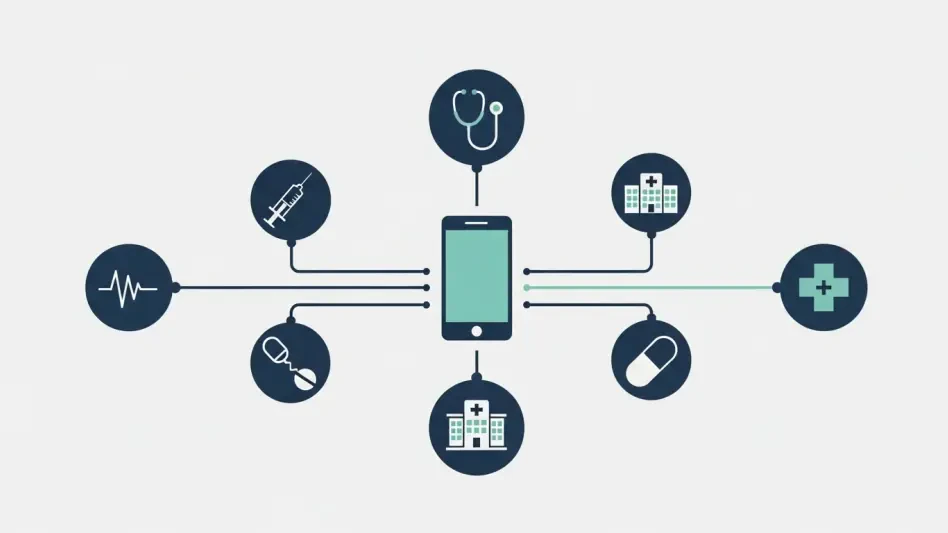
Solving the crisis of digital fatigue requires a strategic shift from providing an array of individual tools to delivering a single, cohesive experience. The smartphone has emerged as the definitive “digital front door,” with 91% of Americans preferring to manage their daily responsibilities through a mobile device. A unified strategy leverages this reality by consolidating every touchpoint—from the initial search for a physician to the payment of a final bill—into one branded interface. By integrating scheduling, test results, and virtual visits into a single platform, health systems can eliminate the “password fatigue” that frequently halts patient progress.
A unified mobile platform also allows for a vendor-agnostic approach, meaning the underlying technology can change without disrupting the user experience. Patients do not care which specific software manages their scheduling; they care that the interface remains consistent and reliable. Shifting the focus from product-driven capabilities to a journey-driven care model ensures that the digital experience mirrors the physical one. When the digital journey is holistic, the technology fades into the background, allowing the patient to focus entirely on their health outcomes rather than the mechanics of the interface.
Differentiation Through Specialized Service-Line Pathways
A unified mobile strategy provides a unique opportunity for healthcare brands to move beyond generic utilities and offer high-value, specialized care pathways. By integrating clinical features like remote monitoring or risk assessments directly into the primary app, health systems can foster deeper loyalty. For example, a cardiovascular program can offer tailored pathways that guide a patient through post-surgical milestones, while a women’s health service line might include pregnancy tracking and lactation support. These specialized features transform the app from a simple portal into a strategic asset that showcases the system’s unique clinical strengths.
Moreover, these tailored experiences allow for better demographic targeting, ensuring that a young athlete recovering from orthopedic surgery sees a different digital environment than a senior managing diabetes. This level of personalization creates a sense of “certainty,” which is arguably the most valuable commodity a health system can offer in a digital age. When a patient knows exactly where to go for every stage of their care, the anxiety associated with navigating the healthcare system is greatly reduced. This brand equity is difficult for competitors to replicate and serves as a powerful tool for patient retention.
Practical Frameworks for Implementing a Unified Strategy
The transition to a unified mobile strategy demanded a tactical shift in how healthcare organizations deployed their digital assets. Successful systems adopted the “Single Channel” rule, which ensured that all automated reminders and pre-registration links were funneled through a central hub to prevent notification burnout. By streamlining the administrative burden, these organizations integrated financial tools that provided clear explanations of benefits, thereby reducing post-visit confusion and improving the speed of collections.
Physical-to-digital transitions were further enhanced through real-time wayfinding, which guided patients from their front doors directly to the clinical desk. These systems measured success not merely through the number of app downloads, but through active engagement metrics and the reduction of appointment no-shows. By prioritizing a unified approach, healthcare leaders successfully reclaimed the attention of their patients, ensuring that digital tools once again served their original purpose of expanding access and improving the quality of care. It was through this consolidation that the industry finally moved past the era of fragmentation and toward a future of meaningful, stress-free patient connection.