
As the healthcare landscape undergoes a rapid transformation, Faisal Zain stands at the intersection of medical innovation and regulatory policy. With a distinguished career in the manufacturing of high-precision diagnostic and treatment devices, Zain has witnessed firsthand how outdated laws can stifle the potential of modern medical technology. His expertise provides a critical lens through which we can view the current legislative shifts in the Cayman Islands, where a major push is underway to synchronize public health laws with the realities of 2026. By bridging the gap between clinical necessity and governmental oversight, Zain offers deep insights into why the active participation of frontline professionals is the essential ingredient for a resilient and modern healthcare system.
The following discussion explores the collaborative efforts to modernize health frameworks, the integration of stakeholder feedback into legislative drafting, and the specific regulatory updates targeting tobacco, environmental health, and medical practices.
How do the current demographic shifts and the rapid evolution of medical technology necessitate such a comprehensive overhaul of the health legislative framework?
The landscape of the Cayman Islands has changed dramatically, and our laws must reflect the vibrant, growing population we serve in 2026. We are no longer operating in the same environment where the old statutes were written; healthcare has advanced to a point where diagnostics are more precise and treatment pathways are more complex. As Minister Katherine Ebanks-Wilks recently emphasized, our legislative framework must evolve alongside these emerging public health challenges to meet the rising expectations of our communities. When you walk into a modern clinic today, the hum of advanced machinery and the digital integration of patient records represent a leap forward that the previous regulations simply weren’t built to handle. By updating these four critical bills, the government is ensuring that the legal infrastructure is as sophisticated as the medical technology we use to save lives every day.
In what ways does integrating the hands-on experience of practitioners into the redrafting of these four bills lead to more effective governance?
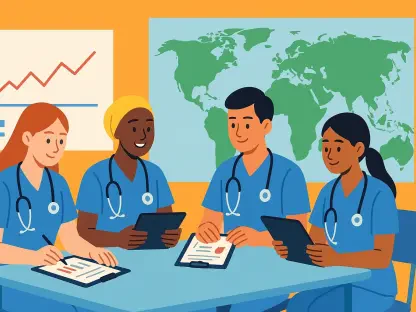
There is a profound difference between a law written in a quiet office and one forged in the heat of a clinical setting. By hosting forums where healthcare stakeholders can provide direct, real-time feedback, the Ministry of Health is acknowledging that those who deliver care understand the practical realities of the system better than anyone. This collaborative process has already led to the decision to redraft all four bills before they even reach the floor of the House next month, ensuring they are workable and grounded in reality. I remember the weight of the thick legislative binders we used to follow, which often felt disconnected from the patient’s bedside; this new approach changes that dynamic entirely. It’s about creating a partnership where the experience of a nurse or a technician actually shapes the policy that governs their profession, leading to better outcomes for the entire country.
Could you describe the atmosphere and the digital tools used during the recent ministry forum to facilitate this high level of stakeholder engagement?
The energy at the recent forum was palpable, characterized by a genuine sense of inclusion that many healthcare professionals haven’t felt in years. The Ministry utilized a streamlined QR code system, allowing participants to submit questions and suggestions in real time, which were then addressed in an open, transparent discussion. This wasn’t just a presentation of dry legal text; it was a dynamic exchange where frontline workers felt their practical knowledge was being treated as an invaluable asset. One professional even remarked that in their previous experiences elsewhere, they never had the chance to influence public policy so directly, which speaks volumes about the culture we are building here. You could see the shift in the room as people realized their voices were being woven into the Public Health Bill 2026 and the Environmental Health Bill 2026 right then and there.
What specific public health and environmental concerns are being prioritized in the 2026 bills to ensure the islands remain resilient against modern threats?
The proposed legislation is designed to be a comprehensive shield, covering everything from the air we breathe to the standards of medical practice. The Public Health Bill 2026 and the Environmental Health Bill 2026 are being modernized to respond to the changing needs of a population that is both expanding and facing new types of health risks. Chief Officer Tamara Ebanks has been clear that these reforms are about making the legislation effective and responsive to the community’s actual needs rather than just checking a regulatory box. We are looking at ways to strengthen professional standards and environmental protections that can withstand the pressures of growth. It is a massive undertaking, but by focusing on modernization, we are building a system that is prepared for the specific health realities of our island environment.
How do the amendments to tobacco and health practice regulations reflect the current expectations of the community for a healthier and more transparent system?
The Tobacco (Amendment) Bill 2026 and the Health Practice (Amendment) Bill 2026 are direct responses to the community’s demand for higher standards and better protection. There is an open consultation period right now, and the bills are scheduled for public review on August 28, which gives everyone a chance to see how their feedback has been incorporated. The ministry is even hosting town halls on August 26 at the John Gray Memorial Church Hall and August 27 at the George Town Constitution Hall to ensure no stone is left unturned. This level of transparency is vital because it builds trust between the regulators and the public, ensuring that the rules governing tobacco use and medical conduct are aligned with contemporary values. We are moving toward a model where the government doesn’t just dictate health policy but instead facilitates a national conversation about what a healthy society should look like.
What is your forecast for the long-term impact of this collaborative legislative approach on the healthcare system?
I believe we are witnessing the birth of a new era of “participatory governance” that will make the Cayman Islands a model for the rest of the region. By 2028, the health framework we are building today will have created a more agile system where legislative updates are seen as a continuous, collaborative dialogue rather than a rare, disruptive event. This partnership between the government and healthcare professionals will lead to a significant reduction in regulatory friction, as the laws will finally match the clinical and technological realities of the field. Ultimately, this means that patients will receive safer, more efficient care because the professionals treating them are supported by a legal system that was built with their direct input. We are moving away from isolation and toward a future where every stakeholder has a hand in protecting the wellbeing of our community.