
The traditional architecture of the healthcare system, once defined by rigid schedules and siloed data, is rapidly dissolving into a fluid, consumer-driven ecosystem where the quality of the patient experience dictates institutional success. As individuals gain unprecedented choices in how and where they receive medical attention, organizations are no longer evaluated solely on clinical outcomes but on the ease, transparency, and personalization of the entire journey. This profound shift has catalyzed a massive investment in Health Information Technology (IT), which serves as the connective tissue bridging the gap between clinical necessity and consumer expectation. These digital tools have transitioned from being peripheral conveniences to becoming the fundamental infrastructure required to sustain a continuous and supportive relationship with the patient. By leveraging high-fidelity data and ubiquitous connectivity, healthcare providers can finally dismantle the friction points that have historically made navigating the medical world a source of significant anxiety for those seeking care.
The move toward a more integrated digital framework ensures that patients feel supported throughout their entire wellness trajectory, rather than only during the brief windows of face-to-face consultations. Modern health IT has redefined the boundaries of the clinic, moving the point of care into the home, the workplace, and the digital devices that patients use every day. This transformation is underpinned by a shift from reactive intervention to proactive management, where precision medicine and longitudinal tracking allow for continuous health monitoring. Instead of waiting for acute symptoms to manifest, the current technological landscape enables clinicians to identify physiological deviations in real-time and intervene before a minor issue escalates into a clinical crisis. This proactive stance empowers patients to become active protagonists in their own health narratives, fundamentally altering the dynamic from a passive recipient of treatment to an informed and engaged partner in wellness.
Overcoming Barriers to Care and Administrative Friction
Streamlining Administrative Workflows: The End of Paperwork
Administrative bottlenecks and chronic staffing shortages have long been the primary detractors from a positive patient experience, often resulting in frustrating delays and a sense of institutional indifference. Health IT functions as a critical force multiplier in this context, utilizing sophisticated automation to handle the complex web of financial workflows and insurance authorizations that previously required hours of manual labor. By implementing Robotic Process Automation (RPA) and intelligent claims processing, healthcare organizations can ensure that the transition from a diagnosis to a treatment plan is nearly instantaneous. This efficiency not only accelerates the delivery of care but also permits administrative staff to pivot their focus away from data entry and toward more high-value, patient-facing support roles. When the backend machinery of a hospital operates with surgical precision, the patient remains the central focus, undisturbed by the logistical noise of the healthcare bureaucracy.
Furthermore, the integration of automated eligibility verification and real-time prior authorization platforms has significantly reduced the uncertainty that often plagues the start of a treatment cycle. Patients are no longer left in a state of limbo, wondering if their insurance will cover a necessary procedure or if they will be forced to reschedule due to a missing signature. These digital systems communicate directly with payers to confirm coverage details in seconds, providing a level of clarity that was previously impossible. This reduction in administrative friction directly correlates with higher patient satisfaction scores, as individuals feel that their time is respected and their care is being prioritized. By removing the clerical hurdles that once slowed the pace of medicine, technology has allowed the healthcare journey to become a more linear and predictable experience, fostering a deeper sense of confidence in the delivery system.
Improving Financial Transparency and Geographic Reach
The emergence of comprehensive healthcare marketplaces has introduced a retail-like transparency to the medical industry, offering patients the ability to compare prices and select bundled care options with the same ease they expect from modern e-commerce. These platforms empower consumers—particularly those who are underinsured or paying out-of-pocket—to navigate the financial landscape of medicine without the fear of hidden fees or “surprise” billing. By providing clear, upfront cost estimates and competitive pricing for common procedures, health IT has successfully demystified the economics of care. This transparency is vital for building long-term trust, as it eliminates the financial shock that often follows a medical intervention. When a patient understands the financial commitment before the first appointment, the resulting peace of mind allows them to focus entirely on their recovery rather than on impending debt.
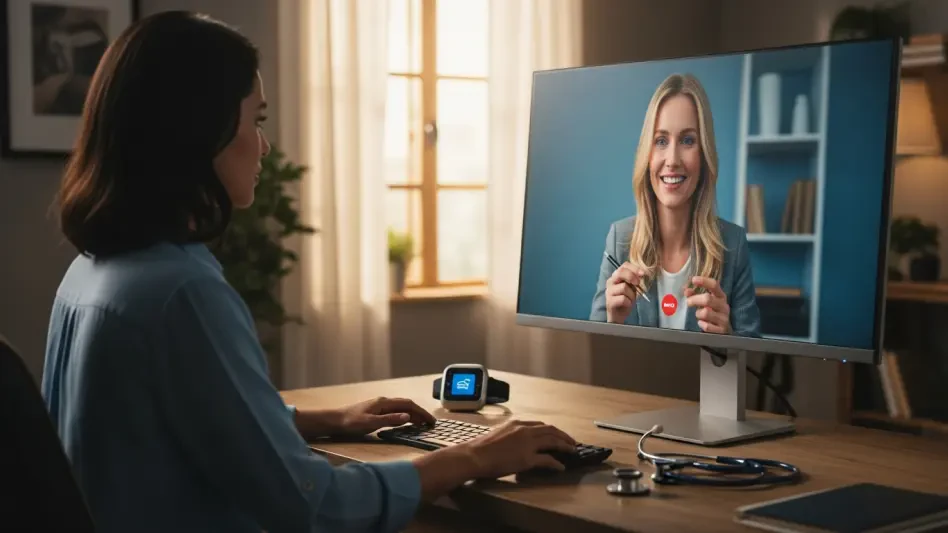
Parallel to financial clarity is the expansion of geographic reach through the maturation of telemedicine and remote diagnostic tools. Telemedicine has transcended its origins as a niche convenience to become a permanent pillar of health equity, ensuring that specialized expertise is no longer confined to major urban centers. Through high-definition virtual visits and secure, asynchronous messaging, patients in rural or underserved areas can access top-tier specialists without the burden of long-distance travel or the need to take significant time off from work. This democratization of access is supported by advances in satellite-based internet connectivity, which has brought reliable telehealth services to the most remote corners of the country. By effectively collapsing the distance between the patient and the provider, technology has made high-quality healthcare a manageable and accessible component of daily life for millions of individuals who were previously marginalized.
Personalizing Engagement with Advanced Artificial Intelligence
Utilizing AI Agents for Consistent Communication
Agentic Artificial Intelligence is fundamentally altering the nature of patient-provider interactions by serving as an intelligent, context-aware interface that remains active long after the clinic doors have closed. Unlike the rigid, rule-based chatbots of the past, these sophisticated AI agents possess a deep understanding of a patient’s unique medical history and current treatment goals. This allows for natural-language conversations that feel personal and informed, sparing the patient from the exhaustion of repeating their information to multiple departments. Because the AI maintains a consistent memory of previous interactions, it can provide continuity that mimics a dedicated personal health concierge. This level of personalized attention makes the vast healthcare system feel smaller and more attentive, reinforcing the idea that the patient is known and valued as an individual.
Connectivity is further enhanced through AI-driven scheduling and outreach platforms that operate around the clock, meeting patients on their own terms and in their preferred languages. These systems allow individuals to book appointments, ask clarifying questions about their medications, or request lab results at any hour, through the communication channels they use most frequently, such as secure SMS or voice interfaces. This 24/7 availability is particularly crucial for working professionals and parents who may not have the capacity to manage health-related tasks during traditional business hours. By providing immediate responses and flexible engagement options, AI agents eliminate the “phone tag” and long hold times that have historically characterized medical communication. This constant, reliable presence ensures that the patient never feels abandoned by their care team, creating a continuous loop of support that extends far beyond the physical walls of the hospital.
Predictive Analytics: Customizing the Patient Wellness Path
The application of predictive behavioral models allows health IT solutions to deliver personalized “nudges” that are scientifically timed to maximize their impact on patient adherence and wellness. By analyzing historical data and behavioral patterns, these systems can anticipate when a patient might be likely to miss a dose of medication or skip a physical therapy session. Instead of sending generic reminders, the technology tailors the message and the timing to the specific psychology of the individual, significantly increasing the likelihood of a positive health outcome. These intelligent interventions transform what used to be a static care plan into a dynamic, living strategy that evolves alongside the patient’s lifestyle and progress. This tailored approach makes the patient feel that their medical guidance is uniquely designed for them, rather than being a one-size-fits-all prescription.
Beyond simple reminders, predictive analytics also play a critical role in identifying high-risk patients who may require more intensive clinical support before a complication arises. By aggregating data from wearable devices and electronic records, AI algorithms can detect subtle shifts in health metrics that a human observer might miss. This allows care teams to proactively reach out to a patient to adjust a treatment plan or schedule a preventative check-up, often preventing the need for an emergency room visit. This shift from reactive to proactive engagement not only improves the clinical safety of the patient but also deeply enhances their sense of security. Knowing that a sophisticated digital system is looking out for their well-being in the background allows patients to navigate their lives with greater confidence, secure in the knowledge that the healthcare system is working for them even when they are not actively seeking care.
Strengthening System Integration and Clinician Support
Creating a Unified Data Ecosystem for Seamless Transitions
Fragmented medical data has historically been a major obstacle to high-quality care, but the integration of modern Electronic Health Records (EHRs) and real-time location systems is finally creating a unified ecosystem. This technological synchronization allows clinicians across different specialties and facilities to maintain absolute situational awareness regarding a patient’s status and history. When a patient moves from a primary care physician to a specialist or transitions from an inpatient stay to home-based recovery, their data travels with them instantaneously. This seamless flow of information ensures that every member of the care team is working from the same “source of truth,” reducing the risk of conflicting treatments or redundant tests. For the patient, this means the experience is cohesive and professional, characterized by a medical team that is always fully informed and ready to act.
For those receiving care in a domestic setting, mobile-captured data and electronic visit verification (EVV) ensure that home health services are consistent and fully visible to both providers and family members. This transparency is essential for maintaining high standards of care outside of the clinical environment, providing a layer of accountability that was previously difficult to achieve. By bridging the gap between the hospital and the home, these IT systems ensure that the quality of care does not diminish once the patient is discharged. Furthermore, modern systems are increasingly integrating data regarding the social determinants of health, such as a patient’s access to nutritious food or reliable transportation. By incorporating these social factors into the clinical record, healthcare providers can address the root causes of health disparities, offering a more compassionate and holistic form of care that truly understands the whole person.
Reducing Professional Burnout to Enhance Bedside Care
The quality of the patient experience is inextricably linked to the well-being of the clinician, and health IT has become a vital tool in combating the epidemic of professional burnout. By automating the more tedious aspects of the job, such as complex medical coding and extensive documentation, technology is freeing physicians and nurses from the “digital paperwork” that once consumed their shifts. Ambient clinical intelligence, which uses voice recognition to transcribe patient encounters in real-time, allows doctors to maintain direct eye contact with their patients instead of being tethered to a keyboard. This restoration of the human connection at the bedside is perhaps the most significant contribution of technology to the patient experience. A clinician who is not overwhelmed by administrative burdens is a clinician who can offer empathy, presence, and undivided attention to the individual in front of them.
In addition to reducing clerical strain, AI-powered diagnostic and visualization tools are empowering clinicians to explain complex medical conditions to patients with unprecedented clarity. High-fidelity 3D modeling and augmented reality can turn a complicated radiological scan into an intuitive visual story, allowing patients to truly see and understand the nature of their illness without the need for invasive exploratory procedures. This educational component is reinforced by digital rounding tools that enable hospital leadership to track patient satisfaction in real-time and address concerns before the patient is even discharged. By fostering a culture of accountability and clear communication, these innovations build a profound sense of trust between the patient and the medical institution. Ultimately, health IT is not replacing the human element of medicine; it is providing the necessary infrastructure for clinicians to return to the heart of their profession: caring for the individual.
Strategic Evolution in Healthcare Delivery: Key Takeaways
The integration of health information technology successfully shifted the industry toward a model where the patient remains the absolute center of every operational decision. Organizations that prioritized the removal of administrative friction and the implementation of transparent pricing structures observed a significant increase in patient loyalty and trust. The deployment of agentic AI and predictive analytics allowed for a level of personalized engagement that was previously impossible, transforming the medical journey from a series of disconnected events into a continuous, supportive narrative. By utilizing these tools to bridge geographic and financial gaps, the healthcare sector moved closer to achieving true equity, ensuring that high-quality care became a standard expectation regardless of a patient’s location or socio-economic status.
The path forward for healthcare leadership involved recognizing that the clinician’s experience is the foundation upon which the patient’s experience is built. By investing in ambient intelligence and unified data ecosystems, institutions effectively reduced the burnout that had long hindered the human connection in medicine. These advancements ensured that clinicians could focus on high-fidelity care while technology managed the complex data flows in the background. For organizations looking to excel, the focus shifted toward maintaining this balance between technological efficiency and human empathy. The most successful strategies emphasized the continuous refinement of digital interfaces to ensure they remained intuitive and accessible, ultimately proving that when technology is used thoughtfully, it does not distance the patient from care but brings them closer to a state of total wellness.