
Male inmates entering the state system are flagged for mental health services at rates as high as 47%, signaling a significant shift in the diagnostic landscape of correctional intake. This sharp increase in psychological care requirements is part of a broader trend within the North Carolina Department of Adult Correction, which now oversees a caseload of more than 9,000 individuals requiring behavioral health support. Currently, over one-quarter of the state’s total prison population—approximately 26.9%—receives some form of psychiatric treatment, a figure that has more than doubled since 2014 when the requirement stood at just 12%. Even with a general decline in the total number of incarcerated individuals over the last decade, the clinical acuity of those being admitted has intensified, highlighting a persistent public health challenge. This surge is likely driven by refined screening methods and a reduction in the stigma surrounding mental health help, yet the volume continues to challenge existing facility resources across the state.
Advancing Care Models: Technology and Diversified Treatment
To address the overwhelming volume of cases, the North Carolina prison system has heavily pivoted toward outpatient care models and specialized treatment environments. While approximately 8,792 individuals are managed through outpatient services, only a few hundred people occupy high-intensity inpatient psychiatric beds, primarily located in specialized medical hubs like the Central Prison Healthcare Complex in Raleigh and the North Carolina Correctional Institution for Women. This distribution of care reflects a strategic effort to keep the majority of the population stable within regular facilities while reserving intensive clinical resources for those in acute crisis. Specialized units tailored to specific psychiatric disorders have been established to provide more granular care than traditional housing allows. Furthermore, the state has integrated peer support programs, where incarcerated individuals are trained to assist their peers, fostering a therapeutic community that supplements professional psychiatric interventions inside the walls.
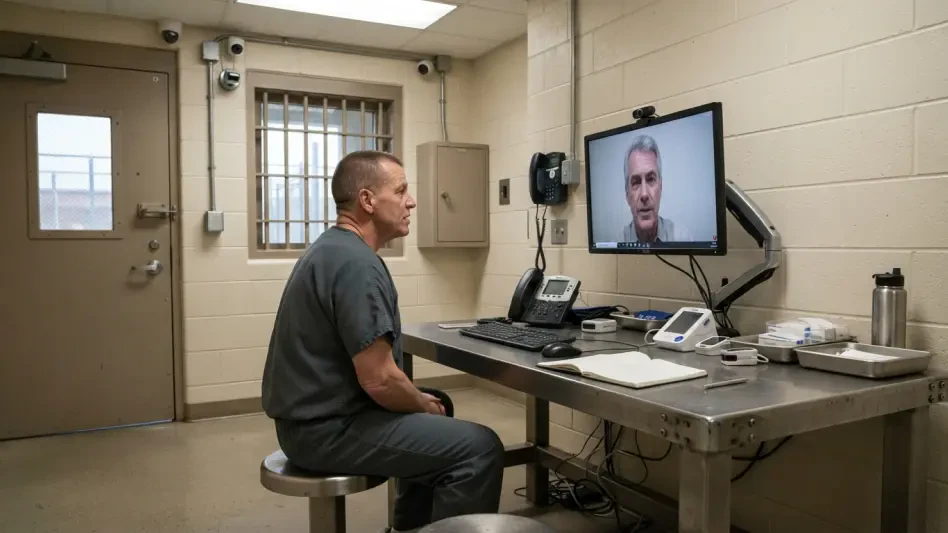
In addition to on-site interventions, the expansion of a robust telepsychiatry network has become a cornerstone of the state’s strategy for managing clinical deficits in rural areas. Currently serving more than 30 prisons, this digital infrastructure allows psychiatric experts to consult with patients in remote facilities where recruiting full-time, on-site clinicians has historically proven difficult. This technological shift ensures that an individual’s geographic location within the state system does not dictate the quality or frequency of the psychiatric care they receive. Beyond just video conferencing, these systems are integrated with electronic health records to ensure seamless continuity of care as individuals move between different security levels or medical units. By leveraging telepsychiatry, the Department of Adult Correction has managed to stabilize its massive caseload without requiring the construction of multiple new brick-and-mortar psychiatric hospitals, representing a significant modernization of the state’s correctional health infrastructure.
Navigating the Reentry Bottleneck: Bridging Gaps in Care
The transition from the structured environment of a correctional facility back into the community remains the most precarious phase for individuals with mental health diagnoses. Each year, roughly 4,700 people with recognized psychiatric needs are released from North Carolina prisons, yet the support network tasked with their reintegration is severely understaffed. Currently, a team of only 20 social workers is responsible for coordinating the warm handoff to community providers, resulting in a staggering ratio of one social worker for every 235 high-needs individuals. This staffing deficit often creates a bottleneck where essential services like housing, medication management, and therapy appointments are difficult to secure before the individual leaves state custody. Without a personalized and comprehensive reentry plan, the risk of psychiatric decompensation and subsequent recidivism increases dramatically, placing a burden on both local emergency services and the state’s criminal justice system as a whole during this vital period.
Targeted initiatives have been launched to mitigate these risks by ensuring that clinical support does not terminate upon release. A primary focus has been the stabilization of Medicaid coverage, with approximately 70% of individuals now leaving prison with active insurance to prevent lapses in treatment. Pilot efforts such as the FIT Wellness program have demonstrated that immediate community engagement is possible, with two-thirds of its participants attending their first mental health appointment within one week of their release. Furthermore, the state has deployed 165 specialized probation officers who manage smaller caseloads of only 40 individuals. These officers receive intensive training in behavioral health, allowing them to employ a therapeutic supervision style that prioritizes mental stability over mere rule compliance. By focusing on the unique challenges of those with psychotic disorders or history of violent felonies, these officers help bridge the gap between the prison’s clinical staff and the community’s social services.
Fiscal Realities and the Future of Policy Reform
State leaders have increasingly viewed the prison mental health crisis through both a humanitarian and a fiscal lens, recognizing that the status quo is unsustainable. With the annual cost of incarcerating a single individual now exceeding $54,000, reducing the revolving door of recidivism through better mental health outcomes has become a significant economic priority for the legislature. North Carolina’s participation in the national Reentry 2030 initiative underscores this commitment, aiming to streamline the integration process by removing systemic barriers that often trigger relapse. One of the central pillars of this strategy involves ensuring that every person leaves prison with a valid state identification card, which is a fundamental requirement for securing housing, employment, and banking. By aligning correctional objectives with public health goals, the state seeks to transform its facilities from mere warehouses into sites of stabilization that ultimately reduce the long-term financial burden on taxpayers while improving general community safety.
The road toward resolving the state’s prison mental health crisis involved a multi-faceted approach that prioritized continuity of care over simple confinement. A dedicated 15-member committee reviewed the system’s efficacy and formulated several formal recommendations intended for the legislature by early 2025. These efforts focused on expanding peer support programs and addressing the acute staffing shortages that previously hindered successful reentry transitions. State officials recognized that the success of these programs depended on a collaborative effort between the Department of Adult Correction and community-based health providers. Families also played a vital role by confirming Medicaid statuses and securing initial medication supplies for their loved ones during the first thirty days of freedom. Ultimately, the state moved to integrate its correctional health services with broader public health networks, ensuring that the progress made during incarceration was maintained long after an individual’s sentence concluded, fostering a more resilient population.