
While the demand for affordable semaglutide and tirzepatide surges, the FDA’s findings at a Texas facility highlight the hidden risks of unregulated manufacturing. The pharmaceutical landscape in 2026 continues to be shaped by the immense popularity of GLP-1 receptor agonists, which has created a market vacuum often filled by compounding pharmacies that may not adhere to the same stringent standards as large manufacturers. A recent six-day inspection by federal authorities at Houston RX LLC, located on Vantage Parkway East, revealed a staggering array of safety violations that potentially jeopardize patient health. The investigation culminated in the issuance of a Form 483, detailing 14 distinct observations of non-compliance with federal standards for sterile drug manufacturing. This intervention was not merely a routine check but a necessary response to a facility struggling to uphold basic aseptic protocols. As these injectable medications bypass the body’s primary defenses, the lack of sterility assurance found in the Houston facility represents a significant public health concern for all consumers.
Breaches of Aseptic Protocol: A Human Element of Risk
The most critical findings in the federal report centered on the failure of personnel to adhere to established sterile techniques during the preparation of high-demand injectable medications. Inspectors documented several instances where operators performed aseptic manipulations—the handling of sterile components—with exposed skin and hair, directly contradicting the requirements for maintaining an ISO 5 environment. Specifically, one operator was observed sealing vials of semaglutide-niacinamide with her forehead exposed within the cleanroom hood. Because these medications are intended for injection, any biological shedding from a human operator, ranging from skin cells to microscopic respiratory droplets, can introduce pathogens directly into a patient’s bloodstream. This level of exposure in a space designed to be virtually free of contaminants indicates a systemic breakdown in training and supervision. The presence of human biological material in a sterile zone is not just a technical violation; it is a direct pathway for infection.
Beyond human shedding, the physical handling of the products at the Houston facility demonstrated a flagrant disregard for modern pharmaceutical safety standards. Staff members were observed pressing rubber stoppers into vials by hand, a manual process that significantly increases the likelihood of microbial transfer compared to automated or specialized mechanical methods. Furthermore, the equipment used throughout the compounding process, including stir bars, beakers, and graduated cylinders, was reportedly not subjected to validated sterilization or depyrogenation procedures. Depyrogenation is a vital step that removes endotoxins, which are fever-inducing bacterial residues that persist even after the live bacteria themselves have been killed. By finishing these vials outside of the designated clean area and using improperly prepared equipment, the pharmacy effectively negated the purpose of a cleanroom environment. These shortcuts in the manufacturing process suggest a prioritization of output volume over the safety cycles required for safe injectable drugs.
Environmental Instability: The Failure of Facility Maintenance
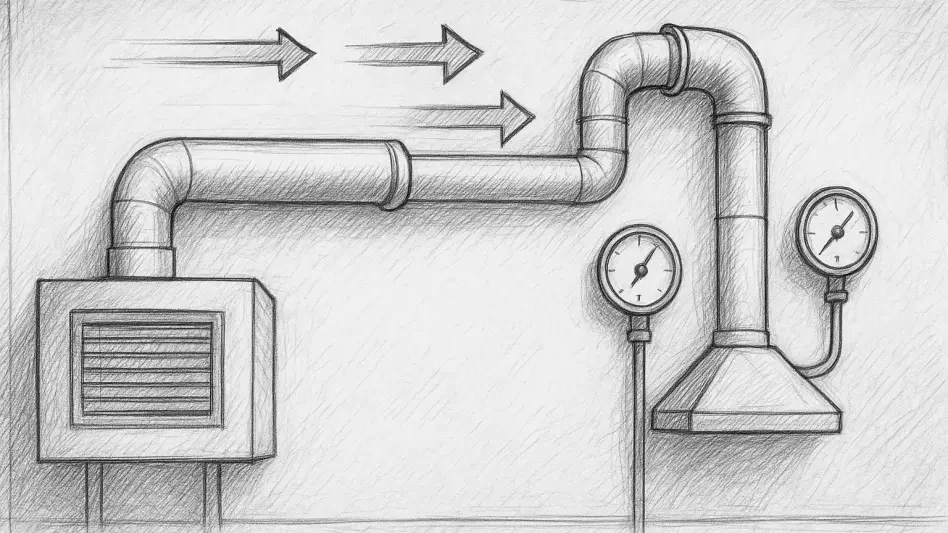
Facility-wide environmental controls are the backbone of sterile compounding, yet the Houston RX inspection revealed significant mechanical failures that compromised the entire cleanroom suite. Air pressure gradients, which are essential for maintaining a sterile barrier, were found to be improperly balanced throughout the summer months of the current year. In a compliant setting, positive pressure ensures that air flows from the most sterile buffer room outward toward the anteroom, effectively pushing out potential contaminants. However, inspectors recorded negative pressure readings, meaning that air from less clean areas could drift into the sterile production zone. Despite this fundamental failure of the HVAC system, the pharmacy continued to manufacture, release, and distribute medications to the public. This decision to proceed with production under compromised environmental conditions shows a profound lack of oversight, as every batch produced during this period lacked the atmospheric protection required to ensure long-term sterility.
The physical state of the building itself further complicated the pharmacy’s ability to maintain a safe manufacturing environment. During the walkthrough, federal inspectors documented visible water stains and suspected mold growth on a ceiling vent located immediately adjacent to the cleanroom. This vent was actively dripping condensate near the station where equipment and raw materials are wiped down before entering the sterile area. High levels of moisture in a pharmaceutical environment provide an ideal breeding ground for fungal and bacterial pathogens, which can easily hitchhike on personnel or supplies into the ISO-controlled zones. The presence of mold and dripping water near a sterile preparation area is a visible indicator of structural neglect that undermines even the most rigorous internal cleaning schedules. By allowing these conditions to persist, the facility created a constant source of potential contamination, turning what should have been a controlled medical environment into a high-risk zone for fungal pathogens.
Regulatory Negligence: Ingredient Integrity and Internal Testing
The investigation into Houston RX also uncovered deeply concerning details regarding the provenance and quality of the raw materials used in their GLP-1 formulations. Several active ingredients, including the base powders for tirzepatide and semaglutide, were accompanied by documentation stating they were for research and development use only. This designation explicitly means the chemicals were not certified for human consumption or pharmaceutical application, bypassing the rigorous safety and purity testing required for FDA-approved drug components. Additionally, the niacinamide used as a secondary ingredient met only dietary supplement standards, which are significantly less stringent than the pharmaceutical-grade requirements necessary for substances that will be injected. Using research-grade chemicals in human medicine is a dangerous practice that introduces unknown impurities into a patient’s body. This lack of ingredient transparency suggests a supply chain focused on sourcing available materials rather than ensuring every component meets high standards.
Perhaps the most damning evidence of negligence was the pharmacy’s response to its own internal microbial testing results. In early August, the facility’s monitoring systems detected microbial growth within the ISO 5 hood immediately after a batch of tirzepatide-niacinamide had been filled. Under standard pharmaceutical operating procedures, such a finding should have triggered an immediate investigation, a root-cause analysis, and the quarantine of any products associated with that contaminated environment. Instead, Houston RX LLC allowed the affected lot to be released and distributed to patients, justifying the move by claiming that their internal action level for such growth had not been reached. This failure to act on a known positive test for bacteria or fungi represents a severe lapse in quality control and a betrayal of patient trust. By ignoring their own data, the pharmacy knowingly put products into the hands of consumers that had been processed in an environment confirmed to be contaminated, showing a failure to prioritize safety.
Navigating Future Safety Standards: Strategic Recommendations
The regulatory actions taken against Houston RX LLC established a clear precedent for how federal agencies managed the intersection of high demand and manufacturing safety in the current landscape. By identifying 14 distinct areas of non-compliance, the FDA sent a strong signal to the compounding industry that the surge in GLP-1 popularity did not excuse pharmacies from the fundamental requirements of sterile drug production. The voluntary recall of contaminated vials and the public disclosure of aseptic failures were necessary steps in protecting a vulnerable patient population that had grown increasingly reliant on these medications. Historically, these interventions served as a catalyst for tighter internal audits across the sector, though the burden of safety often remained on the facilities themselves. The incident highlighted the recurring struggle between rapid market expansion and the meticulous nature of quality assurance. Ultimately, the resolution of this case provided a roadmap for how regulatory bodies sought to address systemic weaknesses.
Moving forward, patients and healthcare providers adopted a more rigorous approach to sourcing compounded treatments to avoid the pitfalls seen in the Houston facility. It was recommended that consumers verify the licensing status of any compounding pharmacy through their state board and specifically request information regarding the pharmacy’s history of federal inspections. Consulting with a physician to discuss the trade-offs between brand-name medications and compounded alternatives remained the most effective way to manage health risks. Furthermore, patients were encouraged to utilize the FDA’s MedWatch program to report any adverse effects, ensuring that patterns of contamination could be identified and addressed quickly. As the industry continued to evolve, the primary takeaway for the public was that vigilance remained the best defense against manufacturing negligence. Taking the time to research a facility’s compliance history and maintaining open communication with medical professionals ensured that weight loss goals did not lead to dangerous biological exposure.