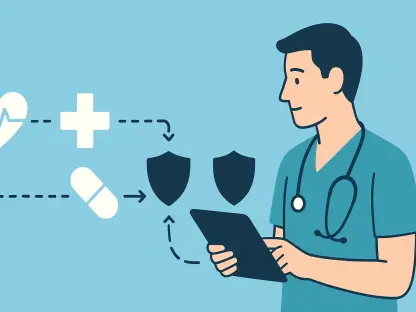

The friction inherent in modern healthcare delivery often creates invisible barriers that prevent patients from receiving timely medical interventions despite the presence of world-class clinical expertise. Carilion Clinic, a non-profit academic healthcare system serving a vast region in Virginia, recognized that traditional administrative models were no longer sufficient to handle the demands of a service area comparable in size to the state of Rhode Island. By implementing the Operations IQ Ambulatory platform in partnership with TeleTracking, the organization moved beyond simple management to embrace what leadership calls operational center science. This transition utilizes advanced data analytics and logistical oversight to harmonize a network that includes six hospitals and numerous outpatient centers. By centering technology as the backbone of patient movement, the system addresses the systemic bottlenecks that traditionally slow down care delivery. This shift ensures that the complexity of a large-scale medical network does not translate into patient confusion.
The Challenge: Addressing Complexities in Outpatient Care
While hospital settings are naturally intensive, the ambulatory or outpatient environment presents a unique set of challenges that can often be more difficult to navigate due to the sheer volume of daily interactions. Carilion handles millions of outpatient visits annually, a number that dwarfs its inpatient admissions and necessitates a highly coordinated approach to patient routing. Every referral from a primary care physician to a specialist triggers a cascade of administrative requirements, including insurance authorizations, pre-appointment diagnostic tests, and precise scheduling. In traditional systems, these workflows are often siloed, leading to a fragmented experience where the patient must act as their own navigator across various departments. Without a centralized digital oversight mechanism, the time between initial diagnosis and the start of specialized treatment can expand unnecessarily. This creates a stressful environment for both the staff and the individuals who are awaiting critical care.
The manual handling of these complex administrative tasks is inherently prone to variability and human error, especially when staff members are working under high-pressure conditions across multiple clinic locations. Carilion Clinic realized that maintaining a consistent standard of care across its sprawling network required a departure from traditional paper-based or siloed electronic tracking methods. The introduction of a dedicated digital solution was designed to obliterate friction by making the administrative machinery nearly invisible to the patient while providing staff with a clear roadmap. By standardizing the referral process, the organization sought to eliminate the black holes where patient files or authorization requests might stall without notice. This proactive approach focuses on reducing the cognitive load on clinical staff, allowing them to focus on patient interactions rather than the minutiae of logistical coordination. The goal is to create a seamless transition from one point of care to the next.
Digital Oversight: Real-Time Visibility and Automation
The Operations IQ platform functioned as a digital oversight layer that monitored the entire referral network in real time, offering administrators what experts call situational awareness. This concept, originally perfected in high-stakes industries like aviation, allowed the clinic to keep track of countless moving parts simultaneously without overwhelming the human operators. By providing a bird’s-eye view of the system’s capacity, the tool enabled administrators to identify exactly where resources were being wasted or where specific clinics were becoming overwhelmed by patient volume. With this level of visibility, the organization could make faster, better-informed decisions regarding the distribution of the daily workload. This eliminated the need for guesswork and allowed the system to adjust to real-time fluctuations in demand across the Virginia service area. This transparency transformed the way the network operated, moving it from a reactive posture to a predictive one where issues were addressed before they impacted the patient’s experience.
In addition to monitoring capacity, the platform utilized automated logic to map out every patient’s journey through the complex medical system with clinical precision. It ensured that all necessary prerequisites, such as specialized lab work or advanced imaging, were completed in the correct order before a patient arrived for a specialist appointment. By programming these repeatable and often tedious administrative tasks into the software, the system significantly reduced the need for manual data entry and minimized the common occurrence of human error. This background automation kept the healthcare process moving forward without requiring constant intervention from already busy staff members. The software acted as an invisible concierge, managing the logistics of the referral behind the scenes so that the actual medical visit could be as efficient as possible. This ensured that both the physician and the patient could maximize their face-to-face time, as all the necessary preliminary data was already available.
Strategic Success: Efficiency and Cultural Transformation
The strategic impact of this implementation was most visible in the significant improvement of referral turnaround times across the entire outpatient network. By reducing the variability of administrative workflows and adhering to high-reliability principles, the clinic made the healthcare experience far more predictable and less stressful for patients. For individuals seeking care, the primary benefit was the preservation of their most valuable resource, which is their time. The system matched patient needs with the most appropriate and available doctors more efficiently than any manual process could ever achieve. This ensured that access to care was not only fast but also precisely tailored to the specific medical situation of the individual. As a result, the time between a primary care visit and the start of specialized treatment was drastically shortened. This reliability built deeper trust between the community and the healthcare provider, as patients felt the system was working actively to support their health journey.
Beyond the technical gains, the project sparked a profound cultural evolution within the organization that changed how departments interacted with one another. The clinic utilized an agile development process, where staff members from various departments collaborated in intensive sessions to solve operational problems in real time. Because feedback from frontline employees was integrated into the software almost immediately, the staff developed a strong sense of ownership over the new digital tools. This collaborative atmosphere changed the internal perception of technological change, moving it from a source of stress to a source of genuine excitement about improving the patient experience. The sense of shared purpose fostered by the project broke down long-standing silos and encouraged a more unified approach to problem-solving. This cultural shift was essential for the long-term sustainability of the platform, as employees across the network were now personally invested in the success of the new operational model.
Moving Forward: Actionable Insights for Executive Leadership
The successful integration of the Operations IQ platform demonstrated that removing administrative friction required a fundamental shift in how leadership viewed the entire healthcare ecosystem. Executives adopted a sky-down design philosophy that prioritized the integrity of the whole system over isolated, incremental improvements to individual departments. This strategic move allowed the organization to move beyond the discomfort of rapid innovation and established a new standard for operational transparency. By trusting the collaborative development process, the leadership team empowered frontline workers to contribute directly to the tools they used daily. This transformation shifted the focus away from paperwork and toward the meaningful preservation of patient time and clinician well-being. The project served as a definitive roadmap for how modern healthcare systems could effectively balance high-tech logistics with high-touch clinical care without compromising efficiency or quality.
Stakeholders recommended that other medical centers prioritize the consolidation of referral data into a single, actionable dashboard to maintain continuity of care across diverse geographical regions. By treating administrative efficiency as a clinical necessity rather than a back-office function, organizations significantly improved the throughput of their busiest clinics. The focus remained on refining automated workflows to further reduce the manual burden on medical assistants and nursing staff. These considerations emphasized the importance of maintaining an agile mindset to adapt to changing patient demographics and emerging healthcare technologies. This proactive stance ensured that the system remained resilient and focused on the core mission of providing accessible medical services to every community served. Leaders concluded that the fusion of people, process, and technology was the only viable path to mitigating the systemic pressures of the modern medical landscape while honoring the time of the patient.