
Participants with obesity in the personalized counseling group unexpectedly showed an increase in Body Mass Index, highlighting the complexity of managing caloric intake during periods of restricted mobility. This observation surfaced during the PROACTIVE-19 trial, an ambitious Hungarian study that targeted adults aged 60 and older to see if telemedicine could steer health behaviors during the height of the global pandemic. The elderly were particularly vulnerable to the virus due to immunosenescence and a higher density of underlying conditions, yet they also faced the distinct challenge of isolation. While basic public health guidelines were plentiful, rigorous data on whether remote coaching could truly alter ingrained habits was missing. This trial stepped into that void, attempting to bridge the gap between medical advice and actual behavioral change by utilizing existing telephone infrastructure. By focusing on nutrition, physical activity, and mental health, the researchers aimed to build a shield of lifestyle resilience that would extend far beyond the immediate threat of infection.
Innovative Methodology: A Remote Approach to Geriatric Care
Launched during the initial peak of the crisis, the PROACTIVE-19 trial utilized a fully remote delivery model that prioritized safety and compliance with social distancing mandates. One of the most significant administrative breakthroughs of this study was the rapid implementation of a special government decree that adjusted existing legislation to allow for verbal consent over the telephone. This legal pivot was essential because it removed the logistical barriers associated with physical signatures and in-person recruitment, allowing the team to reach a geographically diverse cohort during a period of intense lockdown. Participants were engaged through a nationwide campaign that leveraged traditional media, such as television and radio, alongside digital social platforms to ensure that even those with limited internet proficiency were aware of the opportunity. This approach demonstrated that policy flexibility can be a powerful engine for clinical research when time and physical access are restricted.
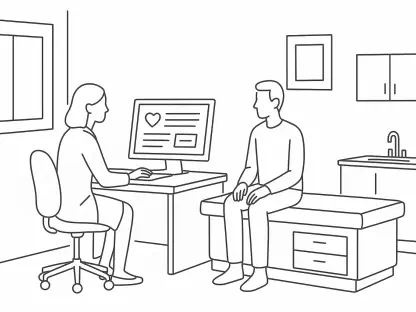
Once enrolled, participants were randomly assigned to one of two distinct intervention arms designed to test the efficacy of different coaching intensities. The general counseling arm acted as a baseline, where participants received brief, ten-minute telephone calls providing standard health education based on widely accepted public health guidelines. In contrast, the personalized counseling arm received more intensive sessions, typically lasting 15 to 20 minutes, which were tailored to the individual’s specific health habits and current status. These sessions were handled by a multidisciplinary team of medical doctors, dietitians, and psychologists who focused on five key pillars: smoking cessation, dietary improvements, mental health, physical activity, and alcohol moderation. By maintaining a frequent contact schedule—weekly during the first month and tapering off thereafter—the researchers were able to collect granular longitudinal data while providing a sense of support to an isolated demographic.
The Challenge: Powering Clinical Research During Crisis
The rapid evolution of the pharmaceutical landscape, specifically the introduction of effective vaccines, led to the early termination of the PROACTIVE-19 trial. This shift meant the final analysis included only 441 participants, a fraction of the original 7,600-person target. Such a drastic reduction in sample size significantly curtailed the study’s statistical power, making it difficult to draw definitive conclusions regarding the primary clinical endpoints. Originally, the trial sought to measure a composite outcome involving intensive care admissions and mortality specifically linked to viral infections. However, the success of broader public health measures and the early end of the trial resulted in only a single confirmed infection within the cohort during the follow-up period. This forced a strategic pivot in the research focus, shifting the primary analysis toward all-cause mortality and the tracking of longitudinal behavioral changes rather than specific disease outcomes.
Survival analysis conducted after the trial’s conclusion indicated a hazard ratio of 0.66 in favor of the personalized counseling group, which theoretically suggests a 34% reduction in the risk of death compared to the general group. Despite this encouraging figure, the finding did not reach statistical significance, largely because the study was underpowered for such an analysis at only 16%. Researchers cautioned that while the data did not prove the intervention’s efficacy in reducing mortality, it also did not disprove it; rather, the results highlight the extreme difficulty of maintaining large-scale clinical trials when the underlying public health environment is changing so rapidly. This underscores a critical lesson for future researchers: clinical trials during emergencies must be designed with extreme flexibility and perhaps more robust initial recruitment strategies to withstand the inevitable disruptions caused by new medical breakthroughs like mass vaccination campaigns.
Behavioral Shifts: Nutrition and Substance Management
Despite the statistical hurdles regarding mortality, the trial yielded a wealth of data concerning how older adults adapted their lifestyle habits under the influence of remote coaching. One of the most consistent findings across both the general and personalized groups was a significant improvement in dietary habits, specifically an increase in the consumption of fresh fruits and vegetables. This suggests that even low-intensity telephone contact can serve as a potent behavioral nudge, reminding individuals to prioritize nutrition when their daily routines are disrupted. It appears that the mere act of being part of a health-focused study, regardless of the complexity of the advice given, fosters a sense of accountability. This “reminder effect” is particularly valuable in geriatric care, where cognitive load and isolation might otherwise lead to dietary neglect or a reliance on convenient but less nutritious food options during periods of prolonged stress.
Alcohol consumption was the specific area where the personalized counseling arm demonstrated a clear and statistically significant advantage over general education. Participants who reported drinking at the start of the study and received tailored advice showed a much larger reduction in their intake than those who only received broad health guidelines. Interestingly, this positive trend was driven primarily by female participants, while the reduction among men was less pronounced and did not reach statistical significance. This discrepancy suggests that women may be more receptive to personalized health coaching or that the stresses of isolation affect alcohol use differently across genders. For public health officials, these results highlight the necessity of providing targeted support for substance use, as general reminders may not be enough to break the complex psychological and social habits associated with alcohol consumption in older populations.
The Paradox: Physical Constraints and Weight Management
One of the more surprising outcomes of the trial involved the management of Body Mass Index among participants who were categorized as obese at the start of the study. While one might expect personalized dietary coaching to lead to weight loss, the data showed a slight increase in BMI for these individuals. Researchers hypothesized that while participants might have been successfully incorporating “healthier” foods into their diets, they may not have been effectively reducing their overall caloric intake to compensate for the lack of movement. This paradox highlights a significant limitation of remote counseling: without the ability to conduct physical assessments or provide structured, calorie-restricted meal plans, it is difficult to counteract the metabolic effects of sedentary behavior. This finding serves as a cautionary tale for telemedicine programs, indicating that nutrition advice must be more explicitly linked to caloric balance, particularly when patients have restricted mobility.
Physical activity levels presented another challenge, as they remained largely stagnant throughout the duration of the study across both intervention groups. There were no statistically significant differences in activity between those who received personalized coaching and those who received general advice. The longitudinal data suggested that exercise habits were much more heavily influenced by external constraints, such as the strictness of local stay-at-home orders and the availability of safe outdoor spaces, than by the information delivered over the phone. This lack of change suggests that while telemedicine is effective for modifying consumption habits like diet, smoking, and alcohol, it may be less potent at motivating physical movement when the environment is fundamentally restrictive. Future remote interventions might need to incorporate more interactive elements, such as video-led exercise classes or wearable technology, to overcome the inertia associated with living in a confined space.
Environmental Context: Future Considerations and Lessons Learned
A secondary analysis of the PROACTIVE-19 data revealed that the timing of a participant’s enrollment played a significant role in their behavioral outcomes. Those who joined the study during the autumn months experienced a much sharper decline in both physical activity and fruit and vegetable consumption compared to those who began their participation in the spring. This discrepancy is likely attributed to the natural seasonal variation in weather and the availability of fresh produce, which can be particularly limiting for older adults on fixed incomes or with reduced access to transportation. Furthermore, psychological factors followed the fluctuating “waves” of the pandemic, deeply influencing how participants responded to health advice. Feelings of “COVID-related fear” were highest during the initial lockdowns, suggesting that the mental health component of geriatric care must be highly adaptive, providing more intensive psychological support during periods of high environmental stress.
The PROACTIVE-19 trial served as a robust proof-of-concept for the large-scale application of telemedicine within the elderly population, proving that telephone-based coaching was a viable and accepted method for reaching this demographic. Many older adults remained less comfortable with complex digital apps or high-speed internet interfaces, making the simplicity of a standard phone call an ideal medium for broad public health outreach. The study demonstrated that even when the most rigorous clinical endpoints were not met, the “nudge” provided by regular contact led to meaningful improvements in daily habits, such as smoking reduction and better nutrition. These shifts were critical not just for immediate crisis management, but for long-term health resilience. By establishing a framework for remote support, the project provided a blueprint for how modern healthcare systems could integrate lifestyle coaching into standard geriatric practice to protect and promote the health of the most vulnerable members of society.