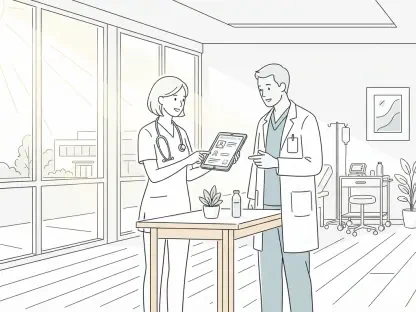

Geographic isolation combined with systemic underfunding has long created a lethal bottleneck for addiction recovery services within Indigenous communities, where the digital divide often mirrors the historical divide in health outcomes. While tribal nations have faced disproportionate impacts from the opioid crisis, the current deployment of high-speed satellite internet and mobile health units is beginning to rewrite the narrative of accessibility in 2026. This transition is not merely about providing a screen for therapy but involves a fundamental reimagining of how clinical support intersects with tribal sovereignty and traditional healing practices. Historically, the burden of travel to distant urban centers acted as a deterrent for those seeking help, often leading to interrupted treatment cycles or complete disengagement from the healthcare system. Today, the expansion of robust broadband infrastructure allows for a more consistent presence of specialized addiction counselors who can offer immediate intervention. This digital bridge is proving essential in providing a continuum of care that respects the geographical and cultural nuances inherent to Indigenous life across North America, ensuring that patients receive support that is both timely and relevant to their unique social contexts.
Strategic Foundations: Cultural and Technical Alignment
Data Sovereignty: Building Trust in Virtual Spaces
Developing successful telehealth solutions for Indigenous populations requires more than just functional software; it demands platforms that are built in consultation with tribal leaders to ensure data sovereignty and cultural relevance. Specialized health applications are now being designed with interfaces that incorporate Indigenous languages and visual elements that resonate with specific community identities. This approach helps to demystify the clinical process, making the technology feel like a communal tool rather than an external imposition from a distant governmental agency. Trust remains a significant factor in medical engagement, particularly given the history of unethical research practices in tribal lands, making secure and transparent data handling a top priority for developers. By involving local health representatives in the design and implementation phases, technology providers are finding that patient retention rates for virtual addiction counseling are notably higher when users feel their privacy and cultural heritage are respected. These localized platforms also allow for the integration of traditional spiritual practices, ensuring that modern medical interventions do not exist in a vacuum but are supported by wellness frameworks that have existed for generations.
Mobile Infrastructure: Bridging the Last Mile
While fixed internet connections are improving, the use of mobile health units equipped with satellite uplink technology provides a necessary safety net for the most remote areas of the reservation. These units act as physical hubs where patients can access high-quality video conferencing tools to speak with addiction specialists who may be located hundreds of miles away in university hospitals. This hybrid model combines the intimacy of a local, physical presence with the advanced clinical expertise found in urban centers, effectively bridging the gap between two disparate worlds of medicine. The presence of a nurse or a peer recovery specialist on-site during these virtual consultations ensures that physical vitals can be monitored while the psychological and pharmacological aspects of treatment are handled via the screen. Such a multifaceted approach reduces the feeling of isolation that often accompanies virtual care, providing a tangible link to the broader healthcare network as these mobile fleets expand their reach. As these units become a common sight in rural communities, they signal a new era where distance no longer dictates the quality or frequency of addiction treatment available to vulnerable populations.
Clinical Outcomes: Sustaining Recovery Networks
Digital Peer Support: Cultivating Tribal Resilience
The journey to sobriety is rarely a solitary endeavor, and the emergence of virtual peer support groups has provided a vital social architecture for individuals in recovery who live in sparsely populated regions. These digital circles allow participants to connect with others who share similar cultural backgrounds and life experiences, fostering a sense of belonging that is crucial for long-term success. Unlike traditional support groups that might require hours of travel, these virtual meetings are accessible from a smartphone, allowing for real-time encouragement during moments of high stress or potential relapse. The integration of these networks into the standard clinical workflow has shown that social connectivity is a powerful predictor of positive health outcomes in Indigenous addiction care. Facilitated by trained peer recovery coaches, these groups offer a safe space for sharing stories and reinforcing the cultural values of tribal resilience and communal strength through secure, high-definition video platforms. This decentralized model of support empowers the community to take an active role in the healing process, utilizing technology to strengthen existing social bonds rather than replacing them with impersonal digital interactions.
Policy Transformation: Establishing Permanent Care Frameworks
Legislative advancements focused on permanent reimbursement parity for telehealth services, ensuring that rural clinics remained financially viable while offering remote addiction services to their members. This shift in policy encouraged larger medical institutions to form lasting partnerships with tribal health departments, facilitating a bidirectional flow of knowledge and resources that benefited the entire ecosystem. By stabilizing the funding landscape, administrators were able to invest in long-term technological upgrades and staff training, moving away from the temporary, grant-funded models of the past. Professional organizations also established guidelines that prioritized patient privacy and the ethical use of tele-behavioral tools in diverse cultural settings. This systemic strengthening was crucial for creating a sustainable framework where digital interventions were viewed as a permanent fixture of the public health landscape, ensuring that geography never again dictated the quality of life-saving recovery care. Moving forward, the focus must remain on expanding hardware access and maintaining the cultural integrity of these services to prevent any future erosion of the progress made in these vital rural healthcare corridors.