
The vast, arid stretches of the Hodh El Chargui region in eastern Mauritania have undergone a staggering demographic metamorphosis that few could have predicted before the current humanitarian emergency took hold. Since the influx of displaced families fleeing volatility in neighboring Mali intensified, the M’Berra camp and its surrounding villages have ballooned into a makeshift metropolis hosting nearly 300,000 individuals seeking refuge. This sudden population explosion has placed an unprecedented burden on a landscape where resources were already scarce, pushing local infrastructure to its absolute breaking point. Public services, once designed for modest local communities, are now struggling to provide basic necessities like potable water and food to a population that has doubled in size within a remarkably short period. The intensity of this demand has turned the border region into one of the most critical humanitarian zones in the Sahel, where the survival of thousands depends on the fragile balance of aid and local resilience.
Expanding Clinical Infrastructure and Nutritional Support
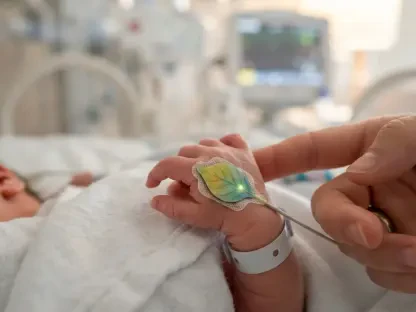
At the heart of the medical response lies the Intensive Nutritional Recovery and Education Center at Bassikounou Hospital, which serves as the primary defense against the surge of severe acute malnutrition among displaced children. Here, medical teams work tirelessly in wards that were originally built for a fraction of their current occupancy, often managing dozens of critically ill patients simultaneously. The disparity between available beds and the volume of patients necessitates a level of clinical efficiency that is difficult to maintain, yet specialized staff continue to achieve high recovery rates. By implementing rigorous therapeutic feeding protocols and providing round-the-clock monitoring, these clinicians are saving lives that would otherwise be lost to the compounding effects of displacement and hunger. The success of this facility underscores the importance of targeted nutritional intervention, proving that even in suboptimal conditions, professional oversight can reduce the mortality rates.
Beyond the specialized wards, the broader clinical strategy focuses on stabilizing the general health of the refugee population through consistent screening and early intervention programs. Many families arrive after traveling for days in extreme heat, often presenting with advanced cases of dehydration and respiratory infections that require immediate attention. To address these needs, medical facilities have expanded their outpatient departments to accommodate the thousands of consultations required each month. This expansion has also included the recruitment and training of additional nursing staff and medical technicians who are proficient in the local languages spoken by the displaced communities. By ensuring that there are no communication barriers between patients and providers, the quality of care has significantly improved, allowing for more accurate diagnoses and more effective treatment plans. This commitment to clinical excellence remains the only barrier preventing a public health collapse.
Utilizing Mobile Medical Units for Remote Access
To complement the centralized efforts at the hospital, the humanitarian response has pivoted toward a decentralized model characterized by the deployment of specialized mobile medical units. These clinics are essential for reaching families who have settled in remote areas far from the established infrastructure of the M’Berra camp, where traditional healthcare access is virtually non-existent. By navigating the difficult desert terrain to provide prenatal care, vaccinations, and primary consultations directly to those in need, these teams are effectively dismantling the geographical barriers to health. This proactive approach ensures that minor illnesses do not escalate into life-threatening conditions due to a lack of transportation or financial means. Furthermore, the integration of these mobile units allows for real-time monitoring of disease outbreaks, providing an early warning system that is crucial for maintaining public health in such an environmentally harsh and densely populated border environment.
The operational success of these mobile units relies heavily on the use of modern logistical technology and specialized transport vehicles capable of traversing the sandy and rugged landscape. Each unit is equipped with basic diagnostic tools and a supply of essential medicines, allowing practitioners to treat a wide variety of ailments on the spot. In addition to medical services, these units serve as an important educational platform, where health workers can teach families about hygiene, sanitation, and infant nutrition. This educational component is vital for preventing the spread of communicable diseases and for fostering a culture of health awareness among the displaced population. By building trust through regular visits and consistent service delivery, the mobile clinics have become a respected part of the local landscape. They represent a vital link between the isolated refugee settlements and the formal health system, ensuring that no one is left without the possibility of medical attention.
Addressing the Social and Educational Deficits
The healthcare crisis is not merely a matter of biological survival; it is deeply intertwined with the psychological trauma and loss of agency experienced by those forced into long-term exile. Many of the families arriving in eastern Mauritania have endured harrowing journeys across the Sahel, traveling for days in scorching heat with nothing but the clothes on their backs. For these individuals, the transition from being self-sufficient pastoralists or traders to being entirely dependent on humanitarian distributions represents a profound blow to their dignity and sense of purpose. While the provision of free medical care and food aid is a necessary lifeline, the underlying stress of uncertainty regarding their future and the safety of their homelands continues to erode the mental well-being of the refugee population. Addressing these invisible wounds requires a holistic approach that goes beyond physical treatment, incorporating psychosocial support into the care package to help families cope with the overwhelming reality of displacement.
Another critical dimension of this crisis is the growing educational deficit facing the younger generation, which threatens to leave thousands of children without the skills necessary for a stable future. In the rush to address immediate life-saving needs such as malnutrition and infectious diseases, the long-term intellectual and social development of refugee children has often been sidelined due to limited funding and infrastructure. Schools in the Hodh El Chargui region are severely overcrowded, and many children living in outlying areas have no access to formal learning environments at all. This lack of consistent schooling creates a secondary crisis of “lost potential,” where a child may be physically cured of a disease but remains socially and economically vulnerable for years to come. Without a concerted effort to integrate educational opportunities with healthcare programs, the cycle of poverty and dependence will likely persist. Ensuring that children have access to a healthy body and an educated mind is essential.
Establishing Sustainable Health Systems and Funding
Moving toward a sustainable solution required the seamless integration of humanitarian aid into the existing national healthcare framework of Mauritania, rather than maintaining a parallel system. Analysis from the period spanning 2026 to 2028 showed that capacity building by training local medical staff and empowering community-based health responders was the most effective way to provide basic care and health education. By strengthening the public health infrastructure of the host country, international organizations helped to create a more resilient system that could better withstand future shocks and demographic shifts. One of the most significant achievements in this regard was the elimination of user fees for essential medical services in the border regions, which successfully removed the financial barriers that once prevented the poorest families from seeking help. This policy change not only benefited the refugee population but also provided a vital safety net for the local Mauritanian communities who shared the limited resources of the area.
The strategic shift toward community-led healthcare proved to be the most effective method for stabilizing the Hodh El Chargui region during the height of the displacement crisis. Medical coordinators successfully integrated refugee volunteers into the local surveillance network, which allowed for the rapid identification and containment of potential outbreaks before they could spread through the M’Berra camp. Furthermore, the expansion of solar-powered health infrastructure ensured that even the most remote mobile clinics maintained a reliable cold chain for life-saving vaccines and antibiotics. These initiatives, combined with a significant increase in vocational training for displaced healthcare workers, created a foundation for long-term resilience that transcended the initial emergency response phase. The transition from a reactive, aid-dependent model to a sustainable, integrated public health system provided a scalable example for other nations facing similar humanitarian challenges in the Sahel, ensuring that health remained a priority.