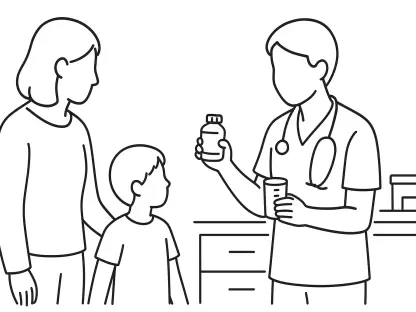

The dismissal of traditional advisory bodies in 2025 necessitated a new level of transparency and cooperation between independent scientific entities. This shift transformed the landscape of public health, moving away from centralized bureaucratic approvals toward a more dynamic, peer-reviewed model that incorporates real-world evidence from various global health nodes. As the 2026-2027 respiratory season approaches, the focus has intensified on the safety and efficacy of the latest generation of multivalent vaccines designed to combat influenza, RSV, and the newest lineages of coronaviruses. Unlike earlier iterations that relied on broad-spectrum targeting, current formulations utilize high-resolution genomic mapping to anticipate viral drift with accuracy. This proactive stance is supported by a network of private laboratories and academic institutions that have taken over the vetting process, ensuring that every biological agent meets stringent safety protocols before it reaches the general population.
Technical Evolution: Innovation in Vaccine Platforms
samRNA Technology: Enhancing Potency and Duration
The current 2026-2027 vaccine rollout features a significant shift toward self-amplifying mRNA (samRNA) technology, which represents a substantial evolution from the initial platforms used several years ago. This technology allows for a smaller initial dose because the genetic instructions replicate within the body’s cells, leading to a sustained production of antigens over a longer period. By reducing the overall lipid nanoparticle load required for each injection, researchers have successfully minimized common systemic reactions such as fatigue, high fever, and localized swelling. Clinical trials spanning from early 2026 to the present day indicate that these samRNA formulations provide a more durable immune response, potentially extending the interval between booster doses. This durability is crucial as the public seeks convenient immunization schedules that do not require frequent visits to clinics, thereby increasing overall adherence to recommended guidelines across different age demographics.
Mucosal Defense: The Rise of Nasal Delivery Systems
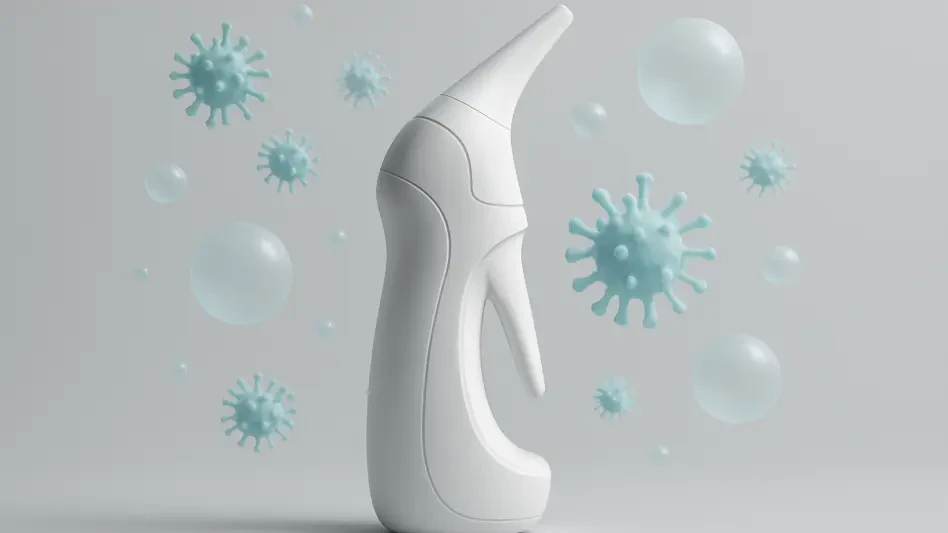
Beyond traditional injections, the 2026-2027 cycle has introduced sophisticated mucosal vaccines that are administered via a simple nasal spray. This method targets the respiratory tract directly, establishing a first line of defense where pathogens typically enter the body, which is a major leap forward in preventing transmission. Early clinical data from the 2026 monitoring period showed that mucosal immunity provides a distinct advantage over systemic immunity by inducing secretory immunoglobulin A in the nasal lining. This localized response effectively neutralizes the virus before it can colonize the respiratory system, significantly lowering the viral load and reducing the likelihood of spreading the infection to others. These sprays have also been formulated to be stable at room temperature, which simplifies the logistics of distribution and storage. The safety profile of these nasal formulations remains excellent, with side effects limited primarily to mild, temporary nasal congestion.
Public Health: Safety Monitoring and Trust
Digital Surveillance: Real-Time Data and Wearable Integration
The integration of wearable health technology has revolutionized the way safety data is collected for the 2026-2027 vaccine season. Millions of individuals now opt into digital surveillance programs that monitor heart rate, temperature, and activity levels through smartwatches and specialized patches following their vaccination. This massive influx of biometric data allows for an objective assessment of vaccine safety that goes far beyond self-reported surveys or sporadic clinical visits. When any significant deviation from the baseline is detected, the information is immediately uploaded to a decentralized ledger that independent analysts can review without exposing personal identities. This proactive monitoring system has already identified correlations between specific genetic markers and increased sensitivity to certain vaccine components, allowing for more personalized medical advice. By moving toward this data-driven approach, health providers can offer targeted recommendations that maximize safety and efficacy.
Strategic Horizons: Directions for Immunization Policy
The transition to decentralized oversight provided a new framework for evaluating medical interventions through the lens of long-term wellness rather than short-term compliance. Experts advocated for a strategy that prioritized localized manufacturing to ensure that vaccines were specifically tailored to the viral strains circulating in particular geographic regions. This regional customization enhanced the overall effectiveness of the 2026-2027 campaign and reduced the logistical strain on the global supply chain. Furthermore, the emphasis shifted toward education, where individuals were encouraged to use digital health tools to track their own immune status and determine the optimal timing for their boosters. These advancements established a precedent for future innovations in preventative medicine, demonstrating that high-tech solutions could coexist with rigorous ethical standards and personal autonomy. The collaborative efforts of the scientific community ensured that the progress made during this period laid a foundation for a more resilient system.