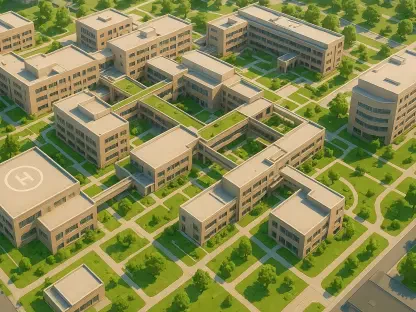

The persistent struggle to find qualified medical professionals in the most isolated regions of the South has finally catalyzed a historic legislative shift in Alabama’s educational strategy. For decades, rural communities faced dwindling access to primary care and emergency services as the aging workforce retired without a new generation of local talent ready to step in. This specialized high school, located in Demopolis, represents a radical departure from traditional vocational programs by offering a residential experience designed for high-achieving students interested in medical careers. By focusing on grades nine through twelve, the state aims to cultivate a talent pipeline that begins long before a student enters university or nursing school. The institution functions as a bridge, connecting motivated youth with the rigorous academic and clinical requirements of the modern healthcare sector. This initiative reflects a broader trend where states take proactive roles in workforce development.
Addressing the Rural Health Provider Shortage
The decision to establish the school in the Black Belt region was a strategic response to the severe health disparities that continue to affect thousands of residents across the state. Demopolis serves as an ideal hub because it allows students to witness the challenges and rewards of serving a rural population while remaining connected to the broader state medical network. This immersive environment ensures that students do not just study medicine in a vacuum; they develop a deep understanding of the socioeconomic factors that influence patient outcomes in underserved areas. The school expects to attract those who are academically gifted and community-oriented, fostering a sense of duty to return to their hometowns after completing higher education. By integrating social responsibility with a high-level science curriculum, the administration hopes to create a sustainable cycle of local recruitment that addresses chronic understaffing in small-town clinics across Alabama’s rural counties.
State leadership prioritized the funding and legal framework for this institution to ensure that financial barriers do not prevent the most capable students from pursuing specialized training. Governor Kay Ivey and the state legislature allocated significant resources to create a tuition-free residential model, mirroring success seen in other specialized schools focused on technology or fine arts. This commitment underscores the belief that healthcare access is a cornerstone of economic development, as industries are less likely to invest in areas where employees lack medical care. Furthermore, the legislative support provided for construction ensures that the school remains a permanent fixture in the state’s educational landscape. By removing the economic burden from families, the program opens doors for students from various backgrounds, ensuring a diverse workforce that reflects the actual demographics of the patient populations they will eventually serve. The bipartisan support for the project remains.
Educational Integration and Professional Preparation
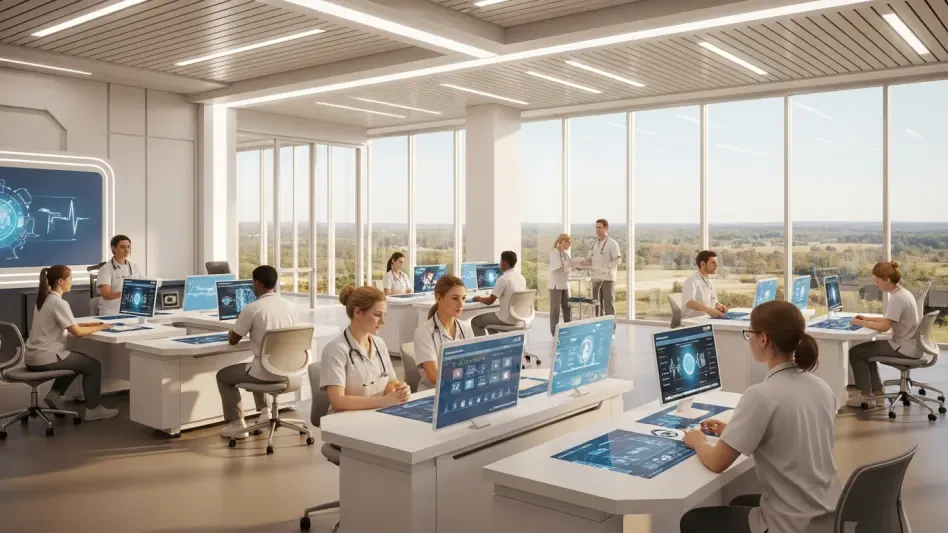
The physical and academic structure of the campus is designed to simulate a professional medical environment, providing students with access to advanced laboratories and diagnostic equipment. Beyond the standard high school curriculum, the coursework includes specialized tracks in nursing, physical therapy, and medical research, allowing students to explore various niches within the field. The residential aspect is particularly vital, as it allows for an extended learning day where students participate in evening seminars and mentorship programs. This holistic approach ensures that graduates are not only proficient in biology and chemistry but are also well-versed in the ethical and administrative complexities of modern medicine. The boarding facilities are built to foster a tight-knit community, encouraging collaboration over competition. By living and working together, students develop the soft skills—such as leadership and communication—that are essential in professional clinical settings in the future.
The establishment of this specialized institution finalized a comprehensive plan to bridge the gap between secondary education and the professional medical workforce. Stakeholders successfully coordinated the logistical requirements for the inaugural class, ensuring that the residential facilities and academic programs met the highest standards of safety and excellence. This initiative demonstrated that targeted investment in youth education could effectively combat systemic regional shortages in essential services. State officials designated the expansion of internship placements as a mandatory next step to maximize career readiness and long-term community ties. As the first cohort prepared to enter this environment, the focus transitioned toward measuring the impact of these graduates on rural health outcomes through rigorous data analysis. This project provided a clear roadmap for public-private partnerships in rural regions.