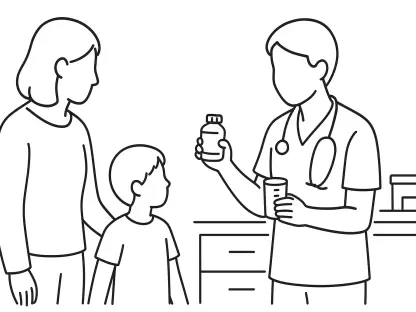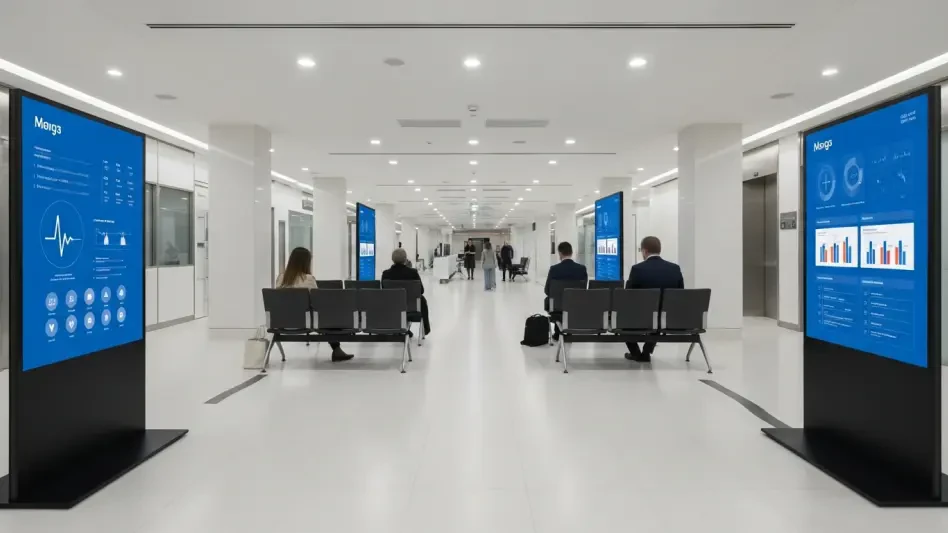

The medical waiting room has quietly transitioned from a neglected space filled with outdated magazines into a sophisticated nexus of high-definition digital screens and hyper-targeted health information. This shift marks the maturation of the point-of-care industry, moving away from static paper posters toward dynamic digital canvases that react to the clinical environment in real time. The contemporary clinical setting is no longer just a place for patience; it is a strategic communication hub where the most high-intent interactions in healthcare marketing occur. Within these walls, the moment of care represents a unique psychological window where individuals are uniquely receptive to health-related messaging because their immediate purpose is a professional medical consultation.
Technological influences have redefined this landscape through the deployment of automated content delivery systems and ultra-high-definition displays that command attention. Major market players are aggressively expanding their digital footprints, recognizing that the medical waiting room provides a captive audience that general media cannot replicate. Pharmaceutical brands serve as the primary engine for this demand, seeking specialized, condition-specific channels that allow them to speak directly to patients moments before they sit down with a healthcare provider. This alignment of interest between the brand, the provider, and the patient has established a new standard for how medical information is disseminated and consumed at the critical point of decision-making.
Analyzing the Forces Driving the Clinical Media Surge
Emergent Trends in Real-Time Patient Engagement and Intelligent Targeting
The industry is currently witnessing a profound transition from generic contextual positioning toward sophisticated, data-driven performance marketing. In the past, advertisers were content with simply being present in a doctor’s office, but modern healthcare marketers demand the same level of precision they expect from search or social media. Emerging technologies, such as integrated patient check-in signals and real-time ad decisioning engines, are fundamentally altering how campaigns are executed. These systems allow for the delivery of messaging that is sensitive to the specific medical specialty of the office, thereby fostering a more relevant physician-patient dialogue during the subsequent exam.
Furthermore, clinical digital out-of-home (DOOH) platforms are proving to be remarkably resilient against the second-screen phenomenon that plagues traditional television. While consumers frequently browse mobile devices during commercial breaks at home, the atmosphere of a clinical waiting room encourages higher levels of focus on the primary screen. This focused attention translates into deeper brand recall and a higher likelihood of the patient bringing up specific treatments with their doctor. By maintaining high engagement levels, clinical screens bypass the digital noise of the mobile web, offering a clear and authoritative voice in a space where consumers are actively seeking health solutions.
Projecting Growth: The Financial Path Toward a Multi-Billion Dollar Industry
Financial metrics indicate that the point-of-care sector is on an aggressive growth trajectory, having experienced a massive 170% revenue increase since 2019. This momentum is expected to continue through 2026 and beyond as the industry moves toward a multi-billion dollar valuation. As clinical inventory becomes more digitized and programmatic, it is increasingly being priced as premium digital real estate rather than traditional outdoor signage. Marketers are shifting larger portions of their television budgets toward these screens, recognizing that the proximity to the prescribing moment offers a significantly higher return on investment than broad-reach broadcast media.
To justify these increasing investments, pharmaceutical brands have adopted rigorous key performance indicators that go beyond simple impressions. Success is now measured through script-lift analysis, patient-physician discussion rates, and direct conversion metrics tied to office visits. This shift toward performance-based valuation is forcing network providers to upgrade their infrastructure to provide the transparency and accountability that modern brands require. As these measurement standards become universal, the valuation of the clinical media market will likely see a significant upward adjustment, reflecting its role as a primary driver of pharmaceutical sales.
Addressing the Structural Inefficiencies and Technological Hurdles of Point-of-Care Channels
A significant challenge remains in the categorical misevaluation of clinical DOOH, where cost-per-mille rates often fail to reflect the true conversion potential of the medium. Many media buyers still view clinical screens through the lens of general out-of-home advertising, which overlooks the high-intent nature of the medical audience. This disconnect creates a marketplace where high-value, intent-driven impressions are often sold at a discount compared to less effective digital display ads. Bridging this gap requires a fundamental shift in how the industry communicates the value of an impression delivered in a medical context versus one delivered on a random lifestyle website.
The proof gap remains a formidable hurdle, as substantiating human engagement in a physical environment is inherently more complex than tracking a digital click-through rate. Marketers are no longer satisfied with proof-of-play logs; they require definitive evidence that a human being was present and attentive. Developing an intelligence layer that provides rigorous attribution and visit-level targeting is the primary technological objective for the next wave of industry growth. By utilizing anonymized location data and advanced sensors, networks can now offer the level of verification that allows marketers to tie screen exposure directly to a subsequent medical action or prescription fill.
Prioritizing Patient Privacy within a Highly Regulated Digital Ecosystem
Operating within a medical setting requires an unwavering commitment to a complex regulatory landscape, primarily centered on HIPAA compliance and rigorous data security. Every digital interaction must be handled with extreme care to ensure that patient confidentiality is maintained and that no personally identifiable information is ever compromised. Leading networks have adopted a privacy-first approach, utilizing anonymized data processing techniques that allow for effective targeting without tracking individual patient identities. This balance is critical for maintaining the trust of both the healthcare providers who host the screens and the patients who view them.
Standardized compliance measures have become a cornerstone of the industry, influencing the level of trust between all stakeholders in the ecosystem. As advertising technology becomes more intrusive in other sectors, the clinical DOOH industry has the opportunity to set a gold standard for ethical, targeted communication. Networks that prioritize transparent data practices and adhere to strict ethical guidelines find it much easier to secure partnerships with prestigious medical groups. This focus on privacy does not hinder effectiveness; rather, it creates a safe environment where patients feel comfortable engaging with health information, knowing their personal medical journey remains private.
The Future Landscape: Integrating Advanced AI for Unprecedented Campaign Precision
The integration of advanced artificial intelligence into clinical operating systems is poised to revolutionize content delivery and optimization. AI-powered platforms can now analyze vast datasets to predict which types of content will be most effective in specific clinical settings at different times of the day. This move toward hyper-relevance ensures that the information on the screen is always aligned with the likely needs of the audience in the room. Potential market disruptors, such as the integration of telehealth data and advanced patient-matching algorithms, will further refine the precision of these campaigns, making every second of screen time more valuable.
Global economic conditions and shifting consumer preferences for personalized health information are also shaping the future of this sector. Patients are increasingly looking for health content that feels tailored to their specific needs rather than generic health tips. This demand for personalization is driving networks to develop more nuanced content strategies that can be adjusted on the fly based on environmental triggers. As these technologies mature, the line between digital healthcare services and clinical advertising will continue to blur, creating a seamless information ecosystem that supports better health outcomes through more informed patient populations.
Determining the Long-Term Value and Strategic Impact of Clinical DOOH
The transformation of clinical DOOH from a secondary amplification tool to a primary strategic anchor for healthcare media plans was a defining shift for the industry. Brands that recognized the inherent value of the clinical environment early on were able to capture significant market share by engaging patients when their health was top of mind. The industry successfully moved past the era of static loops, adopting intelligent, responsive systems that provided the data-driven insights required by modern pharmaceutical marketers. This evolution fundamentally changed the way healthcare products were launched and maintained in a competitive marketplace.
Solving the verification and attribution problem ultimately defined a new financial ceiling for clinical media, elevating it to a premium tier of digital advertising. The implementation of robust intelligence layers allowed for a level of transparency that was previously impossible in physical environments. For investors and brands, the strategic impact was clear: the high conversion rates and intent-driven nature of the clinical audience provided a reliable path to growth. Stakeholders who prioritized technological integration and privacy compliance were best positioned to capitalize on this surge, ensuring that the clinical screen remained the most influential touchpoint in the modern patient journey.