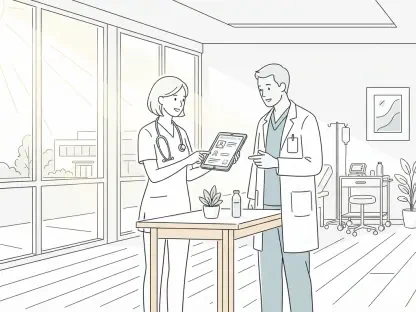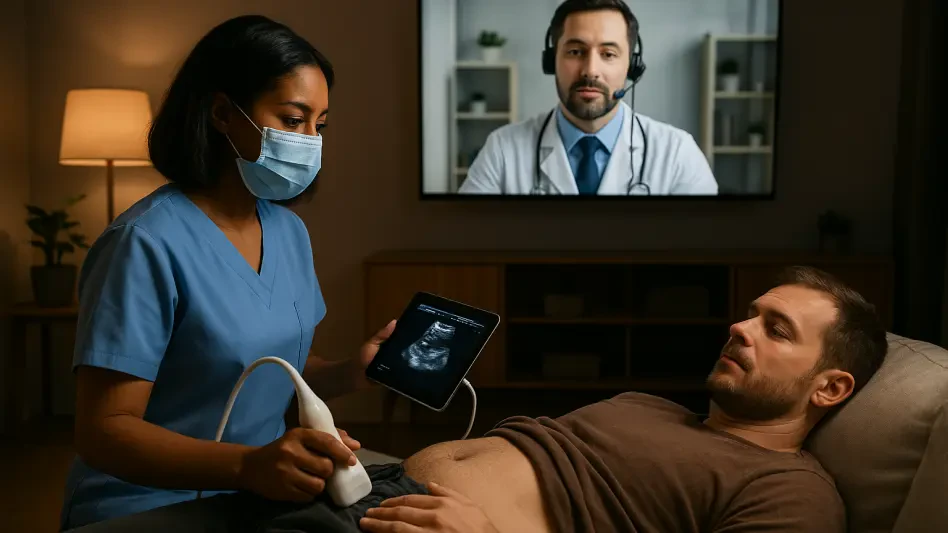

In-home healthcare volumes grew by twenty-six percent this quarter, indicating a strong consumer preference for the mobile medical services that DocGo is currently working to scale nationwide. This shift represents a fundamental transformation in how patients perceive the boundary between the hospital and the household. As traditional brick-and-mortar facilities face unprecedented staffing shortages and rising operational costs, mobile health providers are stepping into a vacuum that was previously filled only by urgent care centers or emergency rooms. DocGo’s strategy centers on deploying advanced clinicians directly to the patient’s bedside while maintaining a digital tether to specialized physicians. This hybrid model aims to reduce hospital readmissions and optimize resource allocation within strained metropolitan health systems. By leveraging a fleet of equipped vehicles and a proprietary logistics platform, the company is attempting to prove that high-acuity care is not just possible at home but actually preferable for long-term recovery and patient comfort in the current medical landscape.
Transforming the Delivery Model
Strategic Integration: High-Acuity Care
The transition toward high-acuity mobile care requires a sophisticated understanding of patient triage that moves beyond basic vital checks and simple consultations. DocGo is currently refining its clinical protocols to ensure that complex conditions, such as congestive heart failure exacerbations or severe respiratory infections, can be managed effectively without an immediate hospital transfer. This process involves a meticulous screening of incoming service requests to identify candidates who are stable enough for home intervention yet require more than what a standard telehealth visit can offer. By positioning itself in this specialized niche, the organization addresses the chronic overcrowding seen in emergency departments across major urban centers. The goal is to provide a seamless transition from acute distress to stabilized recovery within the domestic environment, utilizing a combination of onsite physical assessment and remote oversight from board-certified specialists who can adjust treatment plans in real time.
Operational Logistics: The Mobile Advantage
Effective logistics serve as the backbone of this operation, necessitating a platform that can dispatch clinicians with the same precision as modern ride-sharing services but with the added complexity of medical inventory management. DocGo utilizes its proprietary software to track vehicle locations, clinician certifications, and real-time traffic data to minimize response times, which is critical when dealing with higher-acuity cases. These mobile units are not merely transport vehicles; they are mobile exam rooms equipped with point-of-care testing, portable imaging, and specialized medication kits. This level of preparation allows the field team to perform interventions that were once reserved for clinical settings, such as administering intravenous medications or conducting electrocardiograms. By maintaining a highly mobile and digitally integrated workforce, the company manages to extend the reach of established hospital systems into underserved neighborhoods, effectively democratizing access to high-level medical expertise while lowering costs.
Future Considerations: A Modern Roadmap
Economic Scalability: The Value-Based Pivot
From a financial perspective, the pivot toward high-acuity services aligns with the broader industry trend of value-based care, where providers are incentivized based on patient outcomes rather than the volume of services rendered. Payers are increasingly willing to reimburse for mobile high-acuity care because it significantly lowers the total cost of an episode of care by avoiding expensive facility fees and overnight hospital stays. For DocGo, this means establishing robust partnerships with private insurers and government programs that recognize the utility of home-based stabilization. The revenue model relies on demonstrating that these interventions do not result in higher complication rates or frequent subsequent emergency visits. As the company expands from 2026 to 2028, the focus will likely shift toward securing multi-year contracts with large health plans that prioritize preventative acute care. This strategy not only provides a predictable stream of income but also solidifies the company’s role as a vital partner in the healthcare ecosystem.
Future Directions: Actionable Implementation
The successful implementation of high-acuity mobile care relied on the seamless integration of technology and human empathy. Healthcare executives looked toward DocGo as a template for decentralized medicine, recognizing that the future of the industry resided in the ability to meet patients exactly where they lived. Moving forward, the industry prioritized the development of standardized regulatory frameworks that supported cross-state mobile medical licensure to further enhance accessibility. It became clear that the next phase of development required an even deeper investment in artificial intelligence to predict patient deterioration before it reached a critical stage. Providers who embraced these proactive measures secured a competitive advantage by delivering superior outcomes at a fraction of traditional costs. The lessons learned during this period of rapid expansion provided a clear roadmap for other organizations seeking to modernize their delivery models. By focusing on data-driven logistics, the medical community successfully redefined the boundaries of the hospital.