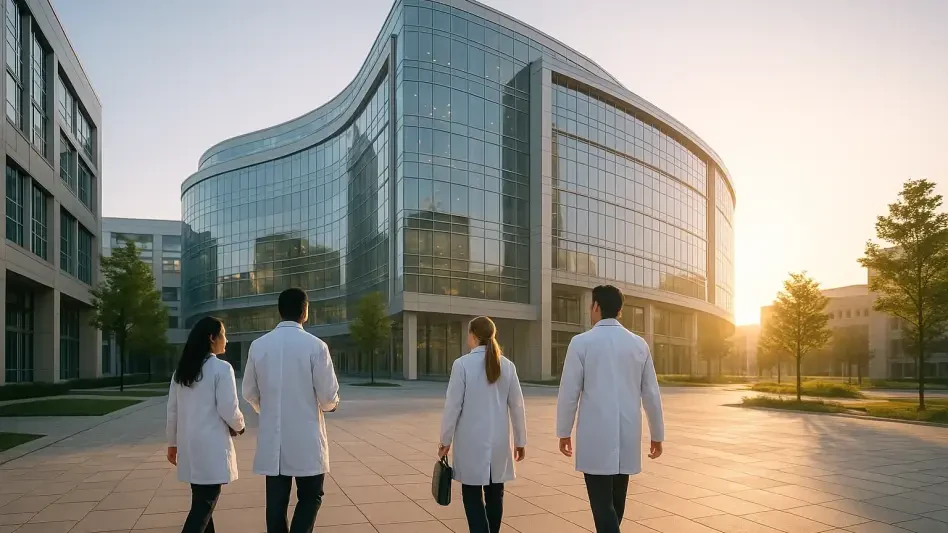

The sterile scent of a hospital corridor often contrasts with the warmth of a healer’s touch, representing the delicate balance every new doctor must strike. Modern medical education now demands that students become equipped to navigate complex healthcare systems while contributing to meaningful systemic improvements. At the University of Miami Miller School of Medicine, the Class of 2030 recently stepped into this reality during their White Coat and Pinning Ceremony. This formal induction of 204 students represents more than just the start of a grueling academic schedule; it signifies the adoption of a professional identity rooted in ethical responsibility and clinical excellence. These students possess a median GPA of 3.92 and an average MCAT score of 516, marking them as some of the most analytically rigorous candidates in history. By integrating medical training with expertise in public health, business, and research, they are preparing to move beyond patient care to influence global health policy and management.
The Symbolism and Philosophy of Modern Medical Training
Empowering the Physician: Character and Curriculum
The white coat is frequently described as a beacon of hope, a garment that confers authority while demanding humility and integrity. Leaders at the Miller School emphasize that technical proficiency is only half of the equation; the true value of a physician lies in their ability to maintain sensitivity and human connection in high-stakes environments. This philosophy is embedded in the school’s NextGenMD curriculum, which prioritizes early clinical exposure and case-based learning to prepare students for the complexities of modern practice.
By fostering resilience and reminding students to stay connected to their original motivations, the program ensures that the doctors of 2030 are as emotionally grounded as they are scientifically capable. The integration of modern technology with traditional bedside manners creates a hybrid model of care. Students are encouraged to look beyond the symptoms to understand the person, ensuring that clinical decisions are informed by both data and empathy, thus securing the future of ethical practice and patient trust.
Bridging the Gap: Science and Humanism
A physician’s “why” is the foundation of their career, serving as a moral compass through the rigors of medical school and residency. The ceremony served as a reminder that entering the medical profession is a public commitment to represent both the university and the noble heritage of healing. This focus on humanism ensures that as technology and data play larger roles in diagnostics, the patient-doctor relationship remains the central pillar of healthcare. It is this bond that often determines the success of long-term treatment plans.
The Class of 2030 is being trained to view the white coat not as a barrier of prestige, but as a bridge to the community they serve. By emphasizing social responsibility, the institution prepares students to address health disparities from day one. This proactive approach ensures that medical professionals do not operate in a vacuum but remain tethered to the evolving needs of society. The result is a more responsive healthcare system that values life over metrics and outcomes over procedural volume in every clinic.
Diversity of Experience as a Catalyst for Innovation
Personal Narratives: Multidisciplinary Backgrounds
The future of medicine will be shaped by the varied backgrounds of those who practice it, ranging from engineers to former ballet trainees. Students in the Class of 2030 bring unique perspectives that challenge traditional medical silos; for instance, those with backgrounds in bioethics or engineering are poised to innovate in fields like pediatric ophthalmology and physician-scientist research. This diversity ensures that the next generation of doctors can approach problems with creative, multi-dimensional solutions.
Such a holistic understanding of the human condition allows for a more nuanced approach to patient interaction. An engineer-turned-doctor might view a surgical challenge through a different lens than a traditional biology major, potentially leading to breakthroughs in medical device design or efficiency. By valuing these non-traditional paths, medical schools are curating a workforce that is as diverse as the patients they will eventually treat in increasingly complex and demanding clinical environments.
Advancing Equity: Community-Centered Care
Beyond academic background, the presence of first-generation students and those focused on social justice indicates a strong commitment to health equity. Many members of this class are dedicated to cancer research and advocacy for underserved populations, aiming to close the gap in healthcare outcomes. This focus on advocacy and patient-centered policy suggests that the Class of 2030 will not only be practitioners but also activists for a more just medical system that prioritizes the needs of the marginalized.
Their collective oath to prioritize patient well-being above all else acts as a unifying promise to transform the future of global health. By focusing on preventative measures and community-based interventions, these students are likely to reshape how healthcare is delivered in rural and urban settings alike. The commitment to social justice ensures that the benefits of medical advancement are distributed more equitably, moving the entire field toward a model of inclusivity and sustained wellness for all.
Cultivating a Resilient and Responsive Healthcare Legacy
Future Directions: Integrating Strategy and Compassion
The formal induction of the Class of 2030 marked a significant pivot toward a more integrated and socially conscious era of medical practice. As these students accepted their responsibilities, they recognized that the future of medicine required more than just clinical skill; it demanded a systemic overhaul driven by empathy and innovation. To move forward, the healthcare industry needed to continue supporting this multidisciplinary approach by providing platforms for young physicians to lead policy changes.
The integration of dual-degree programs and a focus on social determinants of health established a new baseline for what it meant to be a healer in a technologically advanced society. Future medical training programs prioritized emotional intelligence alongside artificial intelligence to ensure that the human element of care remained uncompromised. By fostering an environment where diverse backgrounds were celebrated, the medical community prepared itself to face global health challenges with strategic vigor.
Systemic Evolution: Actionable Steps for Tomorrow
To sustain this progress, the medical community emphasized several key actionable steps that defined the mid-2020s. First, institutions increased funding for community health initiatives, allowing physicians to work directly with local leaders to solve unique regional problems. Second, the curriculum was updated to include mandatory training in medical ethics and the socio-economic impacts of illness. These changes ensured that the workforce remained adaptable and deeply connected to their specific patient base.
Furthermore, the adoption of mentorship programs between seasoned clinicians and new graduates helped preserve the humanistic elements of the profession. This era proved that by investing in the personhood of the physician, the healthcare system as a whole became more resilient. Looking back, the strategic moves made during this time provided the necessary foundation for a global healthcare infrastructure that was prepared for any crisis. The legacy of the Class of 2030 became a testament to the power of unity.