
The residents of the North Olympic Peninsula have long struggled with a dental healthcare system that forces families to wait nearly two years for basic preventative care. This prolonged scarcity of accessible treatment is not merely an inconvenience but a significant public health obstacle that disproportionately affects low-income and rural populations across the region. As Clallam and Jefferson counties grapple with chronic vacancies in local clinics, the necessity for a homegrown workforce solution has moved from a theoretical discussion to an urgent institutional mandate. Peninsula College is now positioning itself at the center of this resolution by launching a comprehensive dental hygiene program designed to bridge the gap between educational opportunity and community health needs. By establishing a professional-grade clinical environment and a rigorous academic pathway, the college aims to transform the local healthcare landscape and provide students with a sustainable route into one of the most high-demand professions in the modern medical field.
A Direct Response to a Growing Healthcare Shortage
Strategic Planning: Addressing Regional Deficiencies
The severe shortage of dental professionals in the surrounding counties has reached a point where the local infrastructure can no longer sustain the needs of its growing population. College President Suzy Ames emphasized that the regional wait times for routine cleanings have ballooned to 18 months, a statistic that highlights the desperate need for a localized training pipeline. While the scarcity of dental hygienists is a challenge observed across the state, the geographical isolation of the North Olympic Peninsula makes it particularly difficult to recruit talent from metropolitan centers like Seattle or Tacoma. Instead of relying on external workforce trends, the college determined that the most effective way to secure the health of the community was to train residents who already have deep ties to the area. This strategy ensures that graduates are more likely to remain in the region, providing much-needed stability to local clinics that have historically struggled with high turnover and unfilled positions.
To ensure that the new program would be immediately effective upon its launch, the college established an employer advisory committee to guide the development of the curriculum and facilities. This group, composed of local dental providers and industry veterans, provided critical insights into the specific skills and technological proficiencies required in the modern workplace. By aligning the educational objectives with the real-world demands of the industry, the college has created a program that does more than just award degrees; it produces ready-to-work professionals capable of navigating complex clinical environments. The collaborative effort between the institution and local practitioners reflects a unified front against the regional healthcare crisis. This partnership has been essential in tailoring the program to address the unique demographic challenges of the peninsula, ensuring that the training provided is both culturally competent and technically superior, thereby setting a new standard for rural healthcare education.
Accreditation Standards: Achieving National Excellence
Navigating the complex landscape of national accreditation was a primary hurdle that required years of meticulous preparation and institutional dedication. The Commission on Dental Accreditation (CODA) maintains some of the most rigorous standards in the country, meeting only twice a year to review new applications and conduct site visits. Under the leadership of Paula Watson, the college spent the period from 2026 toward the program’s official debut perfecting every aspect of the curriculum and facility design to ensure total compliance with these national benchmarks. This process involved not only academic planning but also the implementation of strict administrative protocols that mirror the operations of the most prestigious dental schools. The commitment to meeting these standards was a non-negotiable component of the project, as national accreditation is the only way to ensure that graduates are eligible for state licensure and professional practice across the United States.
The success of this preparatory phase was validated during a recent intensive two-day site visit by the commission, which resulted in a rare “no findings” report. Achieving such a result is a prestigious accomplishment for any new program, signaling that the college has exceeded the minimum requirements for safety, instruction, and clinical excellence. This perfect evaluation from the accrediting body serves as a testament to the quality of the facilities and the expertise of the faculty involved in the program’s inception. It provides prospective students and the broader community with the confidence that the training received at Peninsula College is on par with the best programs in the nation. By clearing this high bar, the institution has demonstrated its capacity to manage the complexities of a professional medical program, clearing the final administrative obstacle to welcoming its first cohort of students and beginning the work of alleviating the regional dental crisis.
Infrastructure Development and Financial Architecture
Clinical Innovation: Repurposing Campus Spaces
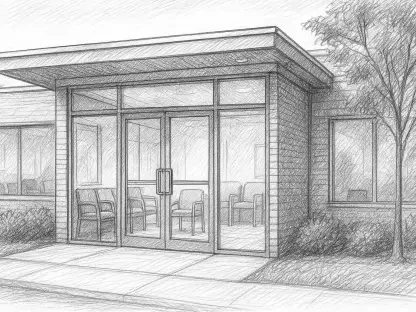
The transformation of the campus infrastructure was a central component of the program’s development, requiring the complete renovation of the Allied Health Building. What once served as a fisheries lab and a yoga studio has been meticulously re-engineered into a state-of-the-art dental clinic that rivals private practices in its technological sophistication. The new facility features eight fully equipped dental treatment units, allowing for simultaneous patient care and hands-on student instruction under the supervision of licensed professionals. Each unit is integrated with advanced digital imaging systems and high-end sterilization equipment, ensuring that students are trained in an environment that reflects the current industry standards for patient safety and diagnostic accuracy. This investment in physical space was necessary to provide the simulated and clinical experiences required for students to master complex procedures before they ever interact with members of the public.
Beyond the primary treatment area, the college has also invested in specialized simulation labs where students can refine their technical skills on manikins before transitioning to live clinical rotations. These labs are equipped with the same high-speed handpieces and diagnostic tools used in the main clinic, allowing for a seamless transition from theory to practice. This tiered approach to learning is essential for developing the manual dexterity and clinical judgment necessary for success in the field of dental hygiene. The facility also incorporates modern sterilization systems that mirror the sanitation protocols of high-volume private practices, instilling a culture of hygiene and safety from the very beginning of the training process. By repurposing existing campus assets into a high-tech medical hub, the college has maximized its resources while providing a permanent home for a program that will serve the community for decades, ensuring that students have access to the best tools available.
Financial Resilience: Establishing a Sustainable Legacy
The financial architecture required to sustain such a capital-intensive program involved a multi-layered strategy that balanced federal support with local philanthropic investment. With a final project cost approaching $3.9 million, the college successfully secured a foundational federal appropriation of nearly $2 million, which provided the momentum needed to finalize construction and equipment purchases. This public funding was bolstered by significant contributions from private partners like Delta Dental, who not only provided direct capital but also incentivized local business participation through community-matching challenges. This collaborative funding model demonstrated a profound level of local buy-in, proving that the regional business community viewed the dental hygiene program as a vital economic and social investment. These partnerships were critical in overcoming the rising costs of specialized medical equipment and construction materials that had threatened to delay the program’s scheduled launch.
To ensure that the program remained viable in the long term, the Peninsula College Foundation established a $500,000 operational endowment designed to offset the high costs of clinical staffing and medical supplies. This proactive financial planning was essential because dental hygiene programs are notoriously expensive to operate, often requiring a high instructor-to-student ratio and constant replenishment of sterilized instruments. The endowment functioned as a safeguard against the economic fluctuations that often challenged community college budgets, ensuring that the quality of instruction remained consistent year after year. As the clinic matured into a fully operational community resource, it began providing low-cost dental services to underserved residents, effectively turning an educational requirement into a public service. This initiative successfully integrated academic rigor with social responsibility, creating a self-sustaining cycle of economic development and healthcare improvement that addressed the region’s most pressing medical needs.