In a landscape where healthcare systems often feel like impersonal bureaucracies, the Decatur County Memorial Hospital Connected Care program is successfully transforming the patient experience into a series of meaningful, continuous interactions. This initiative addresses the fundamental challenge of managing chronic health conditions by bridging the gaps between scheduled office visits, ensuring that medical oversight is a constant presence rather than an occasional event. For residents like Joyce Stevens of Franklin County, this model has shifted the paradigm of care from a reactive stance to a proactive partnership. By integrating dedicated nursing professionals into the daily lives of patients, the system removes the isolation often felt by those navigating complex treatment plans. This evolution in healthcare delivery recognizes that the time spent outside the hospital is just as critical as the minutes spent inside an examination room. Consequently, the program fosters a sense of security that empowers individuals to remain active participants in their own wellness journeys while feeling truly seen by their providers.
Bridging the Clinical Gap: Remote Supervision and Coordination
The logistical complexity of modern medicine often places an undue burden on patients and their families, yet the Connected Care framework mitigates these stresses through direct access to professionals like Amy Prentice, RN, BSN. This specific implementation of remote healthcare allows for immediate communication via text or phone calls, providing a safety net that traditional outpatient models frequently lack. When a patient requires lab work coordination or needs a seamless transition between different specialists, the dedicated care team manages these details behind the scenes. This level of intervention is particularly valuable for family members who previously shouldered the emotional and mental load of health management alone. By providing an additional layer of professional oversight, the hospital ensures that every medical adjustment is handled with precision. This streamlined approach allows families to refocus their energy on supporting their loved ones’ emotional needs, knowing that the technical and clinical aspects of the healthcare journey are being monitored by experts who understand the nuances of the patient’s history.
Cultivating Independence: Personalized Care Strategies
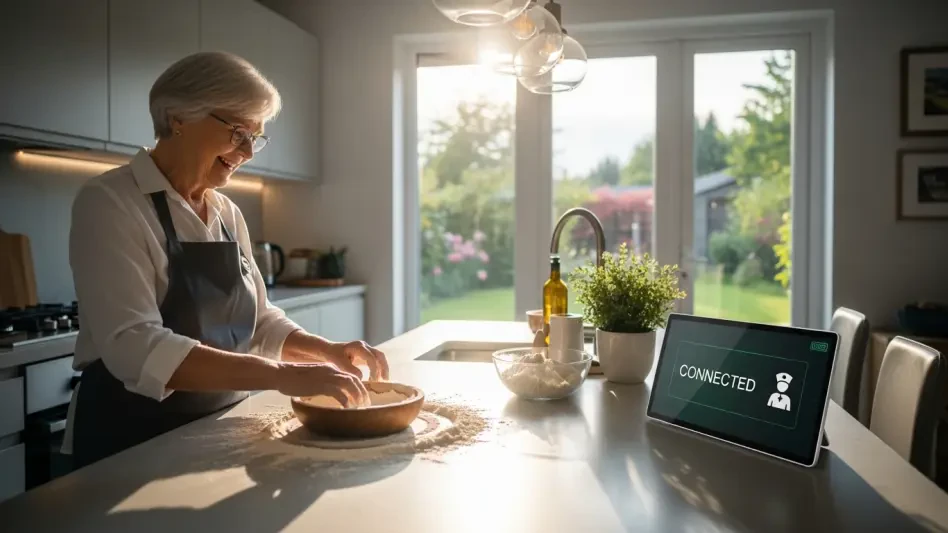
Maintaining a high quality of life while managing long-term health issues requires a delicate balance between medical necessity and personal autonomy. The success of the DCMH model lies in its ability to make patients feel like prioritized individuals rather than mere entries in a database, despite the large scale of the hospital system. This personalized attention enables individuals to continue engaging in cherished activities such as gardening and baking, which are essential for mental well-being and independence. Looking ahead, the expansion of such programs will likely necessitate broader adoption of integrated communication platforms that facilitate even faster response times. Healthcare providers sought to replicate this blend of technical management and genuine empathy to ensure that medical guidance remains accessible and human-centric. Decision-makers evaluated these successes and began prioritizing the development of community-based resources that centered the patient’s lifestyle within the clinical framework. These efforts ensured that proactive health management became a sustainable reality for diverse populations in the years following 2026.