
The traditional dental visit, once defined by the unpleasant taste of alginate molds and the anxiety of unseen procedures, has been fundamentally restructured by a sophisticated convergence of optical physics and computational power. This digital revolution represents the most significant shift in the global dental sector, transitioning from tactile-dependent craftsmanship to a high-precision, data-driven methodology. As the industry moves further into this new era, the focus has expanded beyond simple tool upgrades toward a holistic ecosystem where diagnostics, planning, and manufacturing exist in a seamless loop.
Modern practices now operate under the principles of “Industry 4.0,” integrating automated systems that reduce the margin for human error while increasing clinical throughput. The purpose of this review is to examine how these technological layers interact, the metrics that define their performance, and the hurdles that remain for widespread global implementation. By evaluating the current capabilities of these systems, it becomes clear that the value of digital dentistry lies not just in the speed of the procedure, but in the radical transparency it offers to both the clinician and the patient.
Introduction to Digital Dental Technologies
Digital dentistry encompasses any dental device that incorporates computer-controlled components to enhance clinical outcomes. This technology emerged as a direct response to the limitations of physical materials, which were prone to distortion, shrinkage, and subjective interpretation. By utilizing high-resolution sensors and complex algorithms, the digital approach standardizes care, ensuring that a restoration designed in one facility maintains the exact specifications regardless of the laboratory location.
This shift toward digitization is characterized by the replacement of manual workflows with CAD/CAM systems. These systems allow for a level of granular detail that was previously impossible, providing a bridge between the physical reality of a patient’s mouth and the virtual space where treatment is planned. This transition matters because it democratizes high-end care, allowing practitioners to deliver consistent, evidence-based results that are less dependent on individual manual dexterity and more on precise data analysis.
Core Components of the Digital Workflow
3D Intraoral Scanning: Digital Impressions
The transition from silicone molds to 3D intraoral scanners marks a pivotal change in diagnostic accuracy. These handheld devices utilize advanced optical sensors to capture thousands of data points per second, projecting a structured light pattern onto the dental arches to calculate depth and geometry. The resulting virtual topography is an exact replica of the oral cavity, eliminating the inaccuracies caused by material expansion or air bubbles often found in traditional impressions.
This technology is unique because it provides immediate feedback; if a scan is incomplete, the practitioner identifies the gap in real-time on a monitor rather than waiting for a stone model to set. For the patient, this removes the discomfort and gag reflex associated with bulky trays. For the clinician, it ensures a “first-time fit” for crowns and bridges, significantly reducing the need for chairside adjustments and subsequent appointments.
High-Resolution Imaging: Microscopy
Modern diagnostics rely on a suite of advanced imaging tools, including 3D Cone Beam Computed Tomography (CBCT) and digital microscopes. Unlike standard two-dimensional X-rays, CBCT provides a three-dimensional view of the bone structure, nerve paths, and soft tissues. This level of detail is critical for the safe placement of implants and the diagnosis of hidden pathologies that would remain invisible under conventional imaging methods.
Furthermore, the integration of high-magnification dental microscopes has redefined endodontics and restorative work. By providing illumination and magnification up to 20 times the human eye’s capacity, these tools allow for the identification of micro-fractures and complex canal systems. This implementation is unique because it shifts the clinical paradigm from “feeling” for a canal to “seeing” the anatomy, which dramatically improves the success rates of complex root treatments and minimally invasive surgeries.
Emerging Trends in Clinical Decision-Making
The current landscape is moving rapidly toward the use of Artificial Intelligence to assist in radiographic analysis. AI algorithms are trained on millions of clinical images to detect early-stage caries and periodontal bone loss with a level of consistency that exceeds human observation. This does not replace the dentist but acts as a sophisticated second opinion, ensuring that no detail is overlooked during a routine check-up.
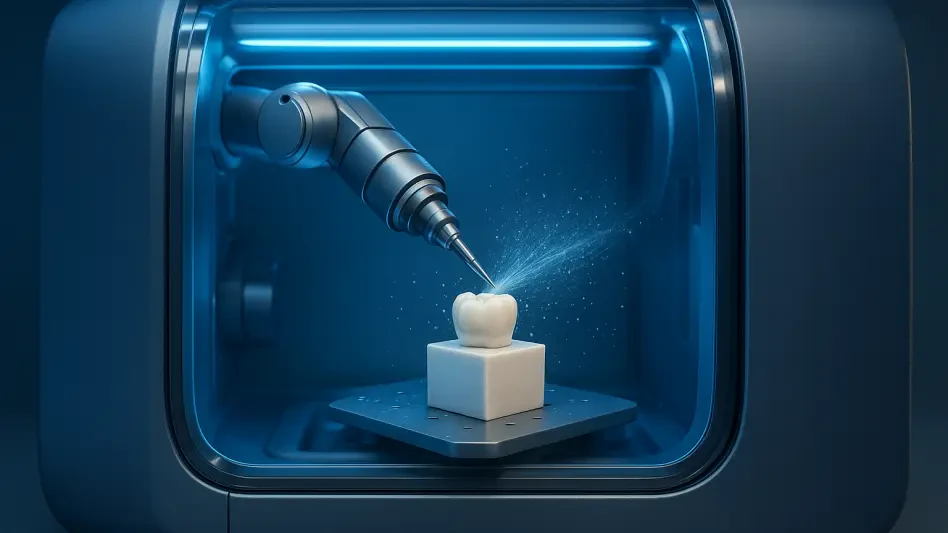
Moreover, the rise of chairside milling allows for restorations to be manufactured and fitted in a single visit. This trend addresses the modern consumer’s demand for efficiency and convenience, bypassing the traditional two-week wait for laboratory-made crowns. By bringing the manufacturing process in-house, dentists gain total control over the aesthetic and functional properties of the final product, leading to a more personalized patient experience.
Real-World Applications and Industry Implementation
Digital Smile Design: Cosmetic Predictability
In the field of cosmetic dentistry, Digital Smile Design utilizes photos, videos, and 3D scans to map a patient’s dental structure against their broader facial features. This application is unique because it treats the mouth as part of a larger aesthetic system, ensuring that new veneers or crowns complement the patient’s lip line and facial symmetry. It creates a “predictive aesthetic” model that serves as a blueprint for the entire treatment.
This visual dialogue is a powerful tool for patient empowerment, as it allows individuals to preview their final appearance before the first physical alteration is made. By aligning patient expectations with clinical reality, the software reduces the risk of dissatisfaction. It transforms the consultation into a collaborative process where the patient is an active participant in the design of their own smile, fostering trust and clarity.
Orthodontic Mapping: Clear Aligner Therapy
The application of digital roadmaps has fundamentally changed how teeth are straightened. Software like Invisalign’s ClinCheck uses the data from intraoral scans to simulate the exact movement of each tooth over the course of the treatment. This implementation is notable for its precision, as it allows practitioners to apply targeted forces that are calculated by the software to achieve the most efficient path to alignment.
This digital-first approach to orthodontics provides a level of transparency that traditional braces lacked. Patients can track their progress through a sequence of virtual stages, which significantly improves compliance and motivation. The ability to visualize the end result before starting treatment has made clear aligner therapy one of the most successful applications of digital technology in the modern dental market.
Challenges and Adoption Obstacles
Despite the obvious benefits, the widespread adoption of digital tools faces significant hurdles. The initial capital investment for high-end scanners, milling machines, and 3D printers can be prohibitive for independent practices, potentially creating a digital divide between large clinics and smaller providers. There is also a steep learning curve involved in mastering the software, requiring practitioners to invest time in continuing education to stay proficient.
Furthermore, as dental records become entirely digital, concerns regarding data privacy and cybersecurity have become a primary focus. Protecting sensitive patient information from unauthorized access is a complex challenge as practices become more interconnected through cloud-based diagnostic platforms. Regulatory standards must evolve to keep pace with these technological shifts, ensuring that patient safety is maintained in an increasingly virtual environment.
Future Outlook and Technological Trajectory
The trajectory of the industry points toward the integration of Augmented Reality and 3D bioprinting. AR could allow surgeons to overlay a digital treatment plan directly onto the patient’s anatomy during a procedure, providing a “heads-up display” for guided surgery. This would further minimize invasiveness and increase the precision of implant placement, reducing recovery times and improving long-term stability.
Looking further ahead, the development of bioprinting may eventually allow for the creation of living tissue or tooth structures. While currently in the research phase, the potential to “grow” a replacement tooth using a patient’s own cells would revolutionize the treatment of tooth loss. The industry is moving toward a future where the distinction between the biological and the digital becomes increasingly blurred, leading to a fully integrated, regenerative model of healthcare.
Summary of Findings and Assessment
Digital dentistry successfully transitioned the profession away from a trial-and-error approach toward a highly individualized and transparent form of healthcare. The integration of 3D scanning, AI diagnostics, and precision milling provided a more robust foundation for clinical decision-making and patient communication. While the dentist’s expertise remained the primary driver of care, the digital toolkit established a new standard that emphasized accuracy over intuition.
The shift toward these technologies demonstrated that the primary value of the digital revolution was the reduction of uncertainty. Practitioners moved toward models of care that favored predictability and patient involvement, which mitigated anxiety and improved functional outcomes. As the sector continued to evolve, the adoption of these tools proved essential for any practice aiming to provide modern, efficient, and patient-centric services in an increasingly competitive landscape.