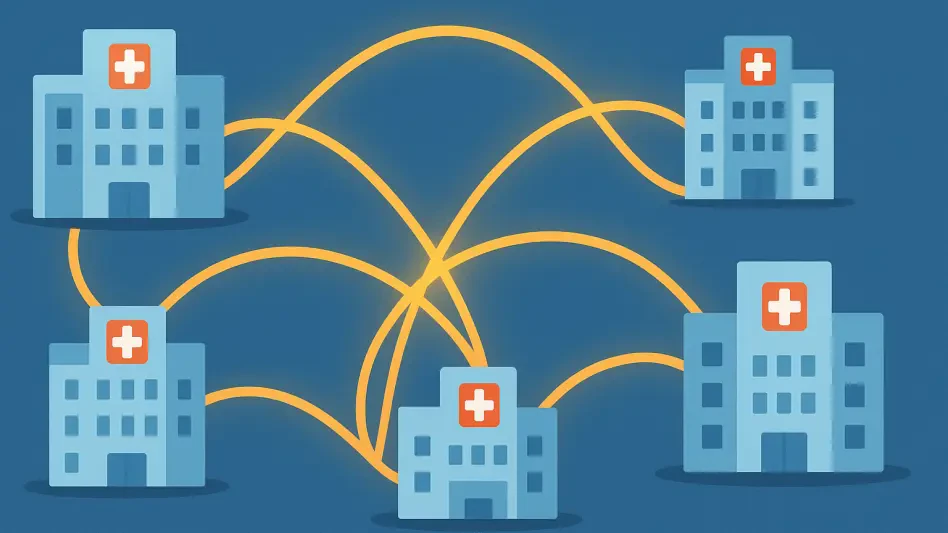

The Diagnostic AI Consortium has set an aggressive one-year timeline to produce measurable outcome signals and data-driven breakthroughs in patient care and diagnostic efficiency. This ambitious initiative represents a collaborative effort between the prominent technology provider Aidoc and a dozen of the most influential healthcare institutions in the United States. Rather than pursuing isolated research projects that often fail to reach commercial scale, these organizations are pooling their resources to tackle the persistent challenges of implementing artificial intelligence in high-stakes medical environments. The core mission revolves around moving past the experimentation phase to make AI an essential, seamless component of everyday diagnostic imaging. By focusing on practical utility rather than theoretical potential, the group aims to solve the bottlenecks that have historically slowed down clinical adoption. This unified front signals a major shift in the industry, moving toward standardized validation protocols that ensure technology translates into better patient lives.
Building a Living Lab Through Strategic Partnerships
The consortium consists of industry giants such as Advocate Health, Cedars-Sinai Health System, and Northwestern Medicine, alongside other regional leaders like Sutter Health and Houston Methodist. These institutions recognize that the complexity of modern healthcare requires a level of cooperation that transcends traditional competitive boundaries. By establishing what they describe as a “living lab,” these partners are creating a real-world testing ground where AI methodologies can be evaluated across diverse patient populations and hospital settings. This environment allows for the rapid iteration of diagnostic tools, ensuring that they are robust enough to handle the varying demands of urban trauma centers and rural outpatient facilities alike. Leaders from these systems emphasize that collective intelligence is the only way to navigate the legal, ethical, and operational hurdles associated with advanced medical software. Through shared data and clinical insights, the consortium is effectively building a foundation for scalable innovation that no single hospital could achieve independently.
Historically, AI implementation in radiology has been hampered by fragmented pilot programs that fail to integrate into the broader hospital infrastructure. The Diagnostic AI Consortium is addressing this systemic failure by focusing on operationalizing quality across every touchpoint of the diagnostic journey. Instead of treating AI as a niche add-on, the member systems are working to embed these algorithms into the core of their electronic health records and imaging archives. This approach ensures that the insights generated by machine learning are available to clinicians exactly when and where they are needed. Furthermore, the consortium is focusing on the standardization of data inputs to ensure that AI models remain accurate when deployed across different hardware and software environments. By prioritizing consistency and scalability, the group is setting a new standard for how technology is vetted and deployed. This focus on the “how” of implementation is just as critical as the “what,” as it bridges the gap between laboratory success and the messy reality of daily clinical practice.
Refining the Human-Machine Interface in Clinical Settings
One of the most significant barriers to AI adoption has been the lack of “workflow fit,” where tools inadvertently add to the cognitive load of already overburdened physicians. To combat this, the consortium is refining how AI platforms identify abnormalities and prioritize alerts for radiologists and attending physicians. The goal is to create a system that intelligently flags critical findings, such as pulmonary embolisms or intracranial hemorrhages, and places them at the top of the worklist without creating “alert fatigue.” By fine-tuning these notification mechanisms, the partnership ensures that the technology acts as a force multiplier for the clinical staff rather than a distraction. This refinement process involves deep analysis of how doctors interact with digital interfaces during high-pressure shifts. When AI tools are designed with a deep understanding of the user experience, they can significantly reduce diagnostic turnaround times. This efficiency is vital in emergency settings where every minute saved in the diagnostic phase can lead to radically different clinical outcomes.
Maintaining rigorous safety standards is a cornerstone of the consortium’s strategy, specifically through the implementation of a “clinician-in-the-loop” model. This framework ensures that AI serves purely as a sophisticated decision-support tool, with every finding requiring verification by a licensed medical professional before any treatment begins. Beyond simple accuracy, the group is aggressively investigating the phenomenon of “reader bias,” where clinicians might over-rely on automated suggestions or, conversely, ignore valid alerts due to skepticism. To mitigate these risks, the member systems are developing advanced governance protocols that include continuous monitoring of diagnostic performance and regular retraining sessions for medical staff. This human-centric approach acknowledges that technology is most effective when it complements, rather than replaces, human expertise and intuition. By addressing the psychological and behavioral aspects of AI interaction, the consortium is fostering a culture of trust and transparency. This proactive stance on ethics and oversight ensures that the integration of digital tools does not compromise the high standards of patient safety.
Democratizing Innovation Through the Universal Playbook
A primary output of this collaboration is the creation of a universal “playbook” designed to guide other healthcare providers through the complexities of AI adoption. This comprehensive resource will detail everything from technical integration and data governance to staff training and financial sustainability models. Importantly, the consortium intends to share these findings openly, providing a repeatable roadmap for institutions that may lack the massive research budgets of the founding members. By democratizing access to these best practices, the group aims to lift the global standard of care and reduce the technological divide between large academic centers and smaller community hospitals. This transparency is intended to accelerate the global adoption of diagnostic foundation models, creating a more equitable healthcare landscape. The playbook serves as a testament to the consortium’s belief that innovation in patient safety should not be a proprietary secret. Instead, it should be a shared asset that improves health outcomes on a global scale. This commitment to open knowledge sharing is a defining characteristic of this partnership.
The formation of the Diagnostic AI Consortium marked a definitive turning point in the professional journey toward automated clinical support. By prioritizing measurable results and workflow harmony, the participating health systems successfully moved beyond the stagnation of early-stage pilots. The group established that the path forward for healthcare AI must be paved with collaboration, rigorous oversight, and an unwavering focus on the human experience. As these systems continue to implement these refined strategies, the focus shifted toward ensuring long-term sustainability and the continuous improvement of algorithm performance. The actionable next step for the wider medical community involved the adoption of the consortium’s governance frameworks to minimize implementation risks. Future considerations must now include the expansion of these models into other diagnostic disciplines, such as pathology and genomics, to create a truly holistic AI-enhanced medical environment. By setting these high benchmarks, the consortium provided the necessary evidence that technological efficiency can coexist with compassionate, high-quality patient care.