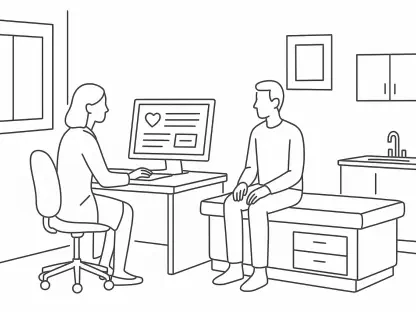

Bridging the gap between urban and rural medical outcomes depends heavily on the permanent integration of remote monitoring and telehealth technologies. For millions of residents living in geographically isolated regions, the promise of modern medicine often feels like a distant luxury rather than a fundamental right. Despite the rapid advancements in digital health that have characterized the last few years, a significant portion of the rural population still faces daunting travel times to reach specialized trauma centers or routine oncology appointments. This logistical nightmare is not merely an inconvenience; it is a clinical barrier that directly correlates with higher mortality rates for manageable chronic conditions. A new comprehensive policy report emphasizes that without a radical shift in how federal and state governments fund and regulate rural health systems, the technological divide will only deepen between urban hubs and the countryside.
Systemic Barriers: Challenges and Modern Solutions
Digital Infrastructure: The Foundation of Remote Care
Implementing robust remote patient monitoring systems requires more than just software; it demands a reliable high-speed data connection that remains scarce in many mountainous and agricultural corridors. While low-earth orbit satellite constellations and government-subsidized fiber expansions have made significant inroads, the consistency of these connections often falters during peak usage or inclement weather. To ensure that a patient with congestive heart failure can transmit vital signs to a specialist three hundred miles away without interruption, policy reforms must prioritize the classification of broadband as a critical utility. Furthermore, the report suggests that local clinics should be equipped with edge computing capabilities to process data locally, reducing the latency issues that can plague cloud-based platforms. By investing in resilient hardware at the local level, providers can maintain a continuity of care that is independent of any intermittent internet outages.
Regulatory Frameworks: Standardizing Virtual Medical Services
Beyond the physical cables and satellites, the regulatory landscape for telehealth remains a patchwork of expiring waivers and varying state-level mandates. Current legislation often restricts cross-state licensing, preventing a specialist in a metropolitan hub from treating a patient across a state line without redundant and expensive certifications. This regulatory friction significantly limits the pool of available experts for rural patients who may require niche expertise in areas like pediatric neurology or rare genetic disorders. The report advocates for a unified federal framework that would standardize telehealth practices and ensure that virtual visits are reimbursed at the same rate as in-person consultations. Without such parity, rural hospitals lack the financial incentive to invest in the high-fidelity cameras and diagnostic peripherals required for comprehensive remote exams. Establishing a permanent and predictable regulatory environment will allow health systems to commit to long-term digital strategies.
Economic Models: Sustaining Rural Medical Facilities
Financial Reform: Transitioning to Value-Based Care
The financial stability of rural critical access hospitals has been precarious for years, with dozens of facilities facing closure due to declining patient volumes and unfavorable payer mixes. Traditional reimbursement models often fail to account for the higher overhead costs associated with operating in sparsely populated areas where economies of scale are impossible to achieve. To combat this, the proposed policy reforms suggest a shift toward prospective payment models that provide rural facilities with a steady, predictable monthly budget based on the population they serve. This transition would allow administrators to focus on preventive health programs and community outreach rather than the volume of billable events. Additionally, integrating advanced AI analytics can help these smaller facilities identify high-risk patients before they require emergency hospitalization, which is both more expensive and harder to coordinate. By leveraging data to predict health needs, rural providers can allocate their limited resources more effectively.
Implementation Strategy: Actionable Steps for Policy Makers
The stakeholders involved in drafting this legislative roadmap emphasized that the time for temporary fixes had passed and that structural changes were necessary to ensure equity. They suggested that the most effective path forward involved the creation of regional health hubs that paired large academic centers with small local clinics through shared digital records. These experts recommended that the federal government should expand student loan forgiveness programs for medical professionals who committed to practicing in underserved areas for a minimum of five years. Furthermore, the report concluded that investing in community health workers to bridge the technical gap for elderly patients was essential for the successful rollout of remote monitoring tools. Ultimately, the researchers demonstrated that while the technology existed to close the healthcare gap, the will to implement permanent financial support remained the primary obstacle. They argued that by treating rural health as a national security priority, stability could be achieved.