
In the rapidly evolving landscape of workplace benefits, the intersection of metabolic health and hormonal transitions has emerged as a critical frontier. As organizations grapple with rising healthcare costs and the need to retain high-level talent, innovative digital platforms are stepping in to fill the gaps left by traditional medicine. Faisal Zain, an expert in medical technology and healthcare innovation, shares deep insights into how data-driven interventions are reshaping the way we support women during one of the most complex stages of their lives. By integrating artificial intelligence with human expertise, these programs offer a blueprint for a future where health is managed with precision and empathy.
How does the framework for managing metabolic markers like insulin resistance and blood pressure in fertility care translate to menopause support, and what specific adjustments are needed to address the physiological shifts women experience during midlife?
The transition from fertility-focused care to menopause support is built on the understanding that metabolic health is a continuous spectrum rather than a series of isolated events. During midlife, markers like insulin resistance, cholesterol, and blood pressure can fluctuate with startling intensity, often mirroring the dysregulation we see in pre-pregnancy challenges like obesity or blood sugar issues. To address these shifts, the framework must evolve from supporting reproductive outcomes to preserving long-term cardiovascular and metabolic stability. We use the same core principles of personalized guidance—adjusting nutrition and movement habits—but we recalibrate them to respond to the dramatic hormonal declines that characterize menopause. It is about ensuring that a woman’s exercise and sleep routines are not just healthy in a general sense, but are specifically tuned to the way her body processes energy during this volatile physiological chapter.
Considering that unmanaged symptoms result in nearly $1.8 billion in lost productivity, how can employers better support their most experienced leaders, and what steps should companies take to ensure these women feel informed about their health options?
Employers must recognize that the $1.8 billion lost to missed workdays is a direct reflection of a systemic lack of support for their most seasoned and valuable leaders. To combat this, companies need to move beyond basic health plans and implement specialized platforms that provide clear, actionable information, as currently, 80% of women feel completely uninformed about their menopause journey. The first step is providing 24/7 access to experts who can demystify symptoms and offer immediate clinical or lifestyle interventions. When a leader feels supported by their organization through dedicated benefits, it reduces the emotional and physical burden of managing symptoms in silence. By normalizing these health conversations and offering tools that integrate into a busy professional life, companies can protect their human capital and see a measurable return on their investment through improved retention and decreased absenteeism.
How does the combination of AI-driven wearable data and 24/7 access to human specialists like nutritionists improve long-term lifestyle habits, and what metrics best indicate that a user is successfully managing their metabolic health through these digital tools?
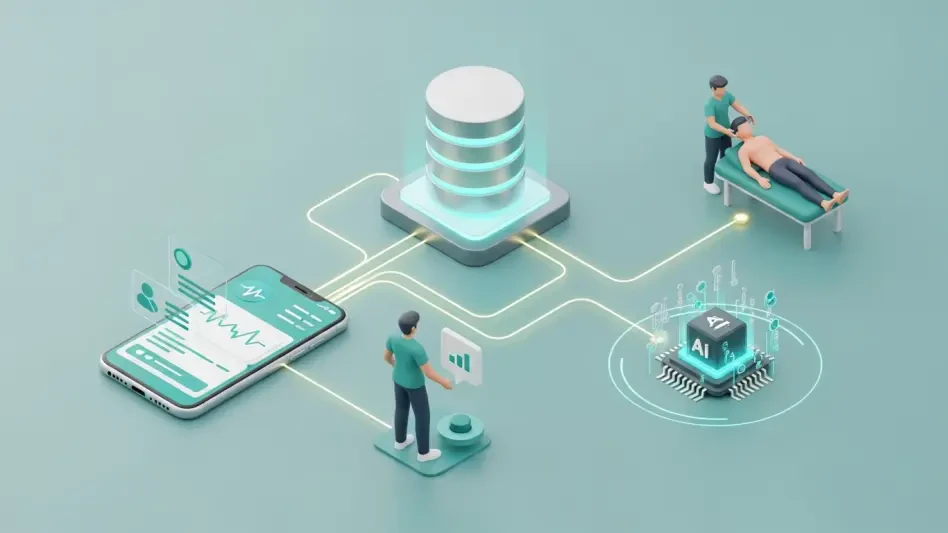
The synergy between AI-driven data and human coaching creates a feedback loop that is far more effective than traditional, intermittent medical checkups. Wearable devices track real-time metrics such as activity, sleep quality, and recovery, allowing the AI to deliver timely prompts—like suggesting a brief walk to help stabilize blood sugar after a meal. This technology is most powerful when paired with 24/7 access to human specialists, such as nutritionists, who can provide the cultural and emotional context that an algorithm might miss. We measure success through a combination of objective data points, such as improved insulin sensitivity and stabilized blood pressure, alongside subjective improvements in daily vitality and symptom management. When a user consistently hits their movement and sleep targets while reporting fewer disruptive symptoms, we know the digital ecosystem is successfully fostering permanent lifestyle changes.
While medical interventions like hormone replacement therapy and GLP-1s are vital options, how do you balance these treatments with behavior changes in nutrition and movement, and what role do physical therapists play in maintaining a patient’s overall vitality?
Medical interventions like HRT and GLP-1s are powerful components of the care puzzle, but they are never the entire story; they work best when supported by a foundation of intentional behavior change. We aim to help women maximize their vitality by ensuring that these medications are paired with expert guidance on nutrition and weight-bearing movement. Physical therapists are particularly crucial in this ecosystem because they help women navigate the musculoskeletal changes and bone density concerns that often accompany the drop in estrogen. By focusing on movement that strengthens the body and supports metabolic function, we ensure that a patient is not just symptom-free, but truly thriving. This balanced approach prevents a reliance solely on pharmaceuticals and empowers the individual to take an active role in their long-term health through sustainable habits.
Since only 20% of OB-GYNs receive formal training in menopause, how can digital platforms bridge this clinical gap, and what should a comprehensive support system look like for women who feel overlooked by traditional healthcare settings?
The fact that only 20% of OB-GYNs have formal training in menopause is a significant clinical void that leaves millions of women feeling overlooked and misunderstood by the traditional healthcare system. Digital platforms bridge this gap by aggregating specialized expertise—ranging from menopause-certified clinicians to metabolic health coaches—and making it accessible regardless of a patient’s geographic location. A comprehensive support system should feel like a coordinated “sprint” towards better health, offering everything from stress management techniques and nutritional roadmaps to direct access to hormone therapies. It must be a personalized experience where the user’s goals and symptoms drive the care plan, rather than a one-size-fits-all approach. By providing this level of specialized, data-backed care, digital platforms ensure that no woman has to navigate the complexities of midlife health without a knowledgeable team behind her.
What is your forecast for the future of metabolic health management in the workplace?
My forecast is that metabolic health will move from being a niche wellness perk to a core pillar of corporate health strategy, driven by the realization that metabolic stability is the foundation of overall productivity. We will see a shift toward “invisible” health management, where AI and wearable sensors proactively identify shifts in a person’s health markers before they manifest as chronic illnesses or missed workdays. Employers will increasingly favor integrated platforms that support the entire lifecycle, from fertility through menopause, recognizing that hormonal health and metabolic health are inextricably linked. The standard for workplace benefits will soon require 24/7, multi-disciplinary care teams that can address both the physiological and psychological aspects of health in real-time. Ultimately, this will lead to a more resilient workforce where health data is used not just for diagnosis, but as a continuous tool for optimization and long-term vitality.