
The sheer volume of diagnostic imaging data produced daily by modern medical facilities has reached a point where human cognitive limits are being tested like never before in clinical history. Just a decade ago, technology visionaries predicted that digital algorithms would soon render the human radiologist obsolete, yet the reality of today shows a much more nuanced and collaborative evolution. Rather than facing replacement, the profession is undergoing a profound transformation that prioritizes a pragmatic alliance between biological expertise and synthetic intelligence. This shift is characterized by a move away from viewing software as a rival and toward integrating it as a vital component of the diagnostic team. In this current landscape, the focus has shifted toward utilizing advanced computing to manage the relentless tide of routine tasks, which enables medical doctors to dedicate their focus to the highly complex clinical decisions that require deep empathy and professional judgment.
Addressing the Global Workforce Crisis
The primary catalyst for this rapid technological adoption is the widening gap between the exponential growth of medical imaging studies and the availability of qualified personnel to interpret them. Across the globe, healthcare systems are grappling with a severe shortage of specialists, a situation exacerbated by an aging population that requires more frequent and complex diagnostic interventions. As the silver tsunami of patients increases the demand for CT scans and MRIs, the workforce is simultaneously facing a high rate of burnout and a significant percentage of senior practitioners approaching retirement. This demographic pressure has created a vacuum that manual labor alone cannot fill. Consequently, the implementation of intelligent software is no longer a luxury or a point of debate but a fundamental requirement for maintaining the operational integrity of hospital departments. The focus has moved toward ensuring that every minute of a radiologist’s time is spent on high-value analysis rather than routine data.
Cultivating Sustainable Alliances for Professional Longevity
In response to these pressures, the narrative surrounding the use of automation has matured into a strategy for professional survival and long-term sustainability within the healthcare sector. Instead of resisting the introduction of new tools, the medical community is actively seeking ways to use them to mitigate the physical and mental strain of an unsustainable workload. This partnership allows for a more balanced distribution of labor, where the heavy lifting of initial data sorting is delegated to systems that do not suffer from fatigue or distraction. By reducing the noise in a typical workday, these tools help preserve the diagnostic accuracy of the human operator throughout long shifts. The goal is to create an environment where the radiologist can thrive as a consultant and diagnostic expert, rather than being overwhelmed by a backlog that grows faster than it can be cleared. This evolution ensures that the quality of patient care remains high even as the volume of required procedures continues to climb.
Diverse Applications: Autonomous and Generative Systems
Modern implementations of clinical software are generally categorized by their functional roles, beginning with the deployment of autonomous and generative systems designed for specific high-frequency tasks. Autonomous systems have proven particularly effective in managing narrow, high-volume workflows, such as the preliminary screening of chest X-rays to identify definitively normal results. This allows the radiologist to bypass the routine negative findings that historically consumed a significant portion of their daily routine, thereby freeing up time for cases that show actual pathology. Meanwhile, generative models are being utilized to address the substantial administrative burdens that often detract from direct patient care. These tools can automatically summarize complex patient histories and draft preliminary clinical notes by extracting relevant data from various electronic health records. By streamlining these time-consuming clerical duties, the technology effectively restores a sense of professional purpose for clinicians in the field.
Augmented Precision: Enhancing Diagnostics with Assistive Tools
Beyond administrative support, augmented and assistive technologies serve as specialized co-pilots that enhance the precision and efficiency of the diagnostic process. These systems are adept at performing tedious manual tasks that are prone to human error, such as segmenting various organs, calculating the precise volume of anatomical structures, and tracking the subtle growth of lesions over multiple scans. In high-stakes environments like breast imaging or oncology, these tools act as a sophisticated second reader, providing a safety net that flags potential areas of concern that might be overlooked during a fast-paced clinical shift. By providing these objective measurements and longitudinal comparisons, the software assists the radiologist in formulating more accurate and data-driven conclusions. This collaborative approach not only improves the reliability of the findings but also ensures that critical details are documented with a level of consistency that is difficult to achieve manually.
Workflow Optimization: Integration within the Reading Room
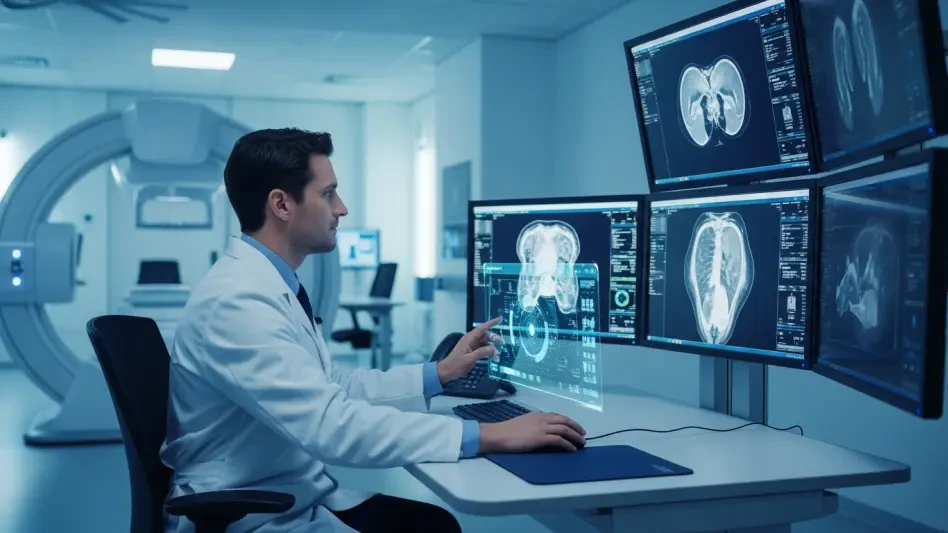
The current trajectory of the medical imaging field points toward a highly integrated and automated reading room environment where software is embedded directly into the primary workflow. In this sophisticated setting, intelligent algorithms serve as the front line of triage, automatically prioritizing urgent or life-threatening cases so that findings like acute hemorrhages or pulmonary embolisms are moved to the top of the queue. This dynamic prioritization ensures that patients in critical condition receive the fastest possible intervention, which can significantly improve clinical outcomes. Furthermore, these systems facilitate the standardization of medical reports and the streamlining of billing processes, transforming the radiologist’s role into that of a high-level consultant rather than a data entry professional. By optimizing every step of the workflow from acquisition to final report, the technology allows for a level of operational efficiency that was previously unattainable for most modern hospitals.
Establishing Safeguards: Human Oversight and Future Security
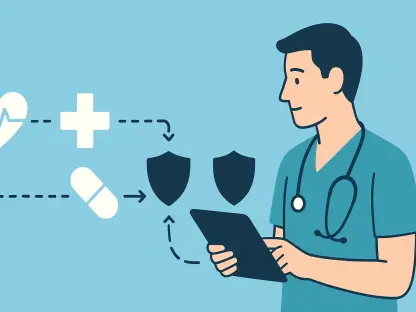
Even as these technologies reached advanced stages of integration, the necessity of human supervision remained a cornerstone of the diagnostic process to prevent errors such as software hallucinations. Because the stakes were exceptionally high in medical imaging, particularly in cases involving neurosurgery or emergency trauma, human judgment served as the final safeguard against technological inaccuracies. Organizations that successfully navigated this transition focused on establishing clear protocols for human-in-the-loop validation of all machine-generated findings. The medical community recognized that while software could manage the sheer volume of data, it lacked the contextual understanding required for complex patient care. Therefore, the implementation strategies emphasized the development of a symbiotic relationship where technology handled the quantitative analysis while the specialists provided the qualitative nuance. These steps ensured that the introduction of automated tools actually enhanced the professional standing and reliability.