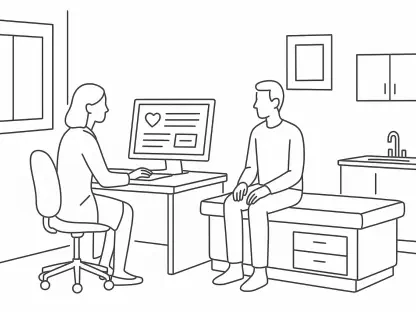

The staggering realization that nearly one billion people worldwide live with a mental disorder has catalyzed a profound shift in how psychiatric care is documented and delivered through specialized digital ecosystems. As the global healthcare landscape undergoes a rapid transition toward integrated, data-driven care, behavioral health Electronic Medical Record (EMR) systems have emerged as indispensable tools for managing the intricate nuances of therapy notes, treatment plans, and crisis intervention records. Unlike general medical software, which often prioritizes physiological data points, these specialized platforms are meticulously engineered to handle the unique privacy requirements and longitudinal nature of behavioral therapy. Current market projections indicate that this sector is experiencing substantial growth, with valuations reaching over $1.3 billion as providers seek scalable technology to manage complex patient histories. This expansion is expected to continue through 2036, driven by a global surge in mental health awareness and a collective push for standardized reporting across diverse healthcare systems. The adoption of these digital tools is no longer a luxury but a fundamental response to the evolving demands of modern medicine, where improving patient outcomes and maintaining operational efficiency are paramount clinical requirements.
The Drivers: Clinical Efficiency and Financial Sustainability
One of the most significant factors propelling the current adoption of behavioral health EMRs is the urgent need to alleviate the administrative burden that has historically plagued mental health professionals. Psychologists, social workers, and counselors frequently encounter the phenomenon known as pajama time, where they are forced to complete narrative-heavy documentation well after standard working hours to remain compliant. Modern EMR systems address this challenge by utilizing structured templates and automated tools that allow clinicians to finalize their notes with greater speed and precision without sacrificing the qualitative detail necessary for effective treatment. By streamlining these workflows, organizations can improve staff retention and reduce the risk of burnout, ensuring that practitioners can dedicate more of their cognitive energy to direct patient care rather than the minutiae of record-keeping. Moreover, these systems provide a unified clinical framework that ensures all members of a multidisciplinary team are working from the most recent and accurate information available.
Financial sustainability represents another critical pillar of market growth, particularly through the integration of sophisticated Revenue Cycle Management tools within the EMR architecture. By linking clinical documentation directly to automated billing systems, behavioral health platforms help outpatient programs and psychiatric hospitals significantly reduce claim denials and accelerate cash flow. Ensuring that therapy notes meet the specific, and often rigid, requirements for medical necessity set by payers is essential for the long-term viability of any healthcare organization. These systems act as a financial engine, identifying potential coding errors in real-time and providing dashboards that track key performance indicators. The ability to demonstrate clinical efficacy through data also plays a vital role in securing funding from government grants and private insurers alike. As the industry moves toward value-based care models, the capacity of an EMR to correlate treatment interventions with patient progress becomes a decisive factor in a provider’s economic health and reputation.
Technical Architecture: Cloud Dominance and Hybrid Flexibility
In the current technological landscape, there has been a decisive and nearly universal shift toward cloud-based EMR solutions, which now command the largest portion of the market share. Cloud delivery is overwhelmingly favored because it offers lower upfront capital expenditures, centralized security updates, and the inherent flexibility required to support large, multi-site organizations. For mobile crisis teams and community-based practitioners, the ability to securely access patient data from any location via a tablet or smartphone is a critical operational advantage that paper-based or localized systems simply cannot match. Furthermore, cloud providers often offer superior disaster recovery capabilities, ensuring that sensitive patient records remain protected and accessible even in the event of local hardware failure or natural disasters. This shift toward the cloud has democratized access to high-end clinical tools, allowing smaller practices to utilize the same sophisticated technology previously reserved for large academic medical centers with massive IT budgets.
Despite the dominance of cloud solutions, on-premise and hybrid systems continue to hold significant value for specific types of institutions that require ultimate control over their data environment. Large psychiatric hospitals and certain government agencies often prefer on-premise setups to meet stringent data residency requirements or to maintain localized control over highly sensitive information. These organizations typically prioritize the ability to keep their records stored within their own physical infrastructure, away from third-party hosting environments. Hybrid models have also gained traction as a middle ground, combining the robust security of local storage with the convenience of cloud-based backups and remote accessibility. This approach is frequently utilized by academic institutions that require high levels of customization and complex data integration with research databases. Regardless of the deployment method chosen, the overarching goal remains the delivery of a secure, reliable, and high-performance environment that protects the integrity of sensitive behavioral health information.
Functional Priorities: Documentation and the Rise of Telehealth
The core functionality of any modern behavioral health EMR remains its ability to facilitate comprehensive clinical documentation that captures complex patient phenotypes and risk assessments. These digital tools must provide more than just simple checkboxes; they are designed to accommodate the narrative nature of psychiatric care while tracking long-term progress toward specific treatment goals. Innovations such as speech-to-text technology and AI-assisted note generation have become increasingly popular, allowing clinicians to dictate their findings and have them automatically formatted into clinical records. This focus on functional versatility ensures that the EMR serves as a living document that evolves with the patient, providing a clear and searchable history of interventions and outcomes. By centralizing this information, providers can more easily identify patterns in patient behavior, such as seasonal fluctuations in mood or the efficacy of specific medication adjustments, leading to more personalized and effective care plans.
Telehealth integration has transitioned from an optional feature to a fundamental requirement for any competitive behavioral health software platform in today’s market. Modern systems now offer native video conferencing, secure messaging, and digital intake forms that support a seamless remote care experience for both the provider and the patient. As virtual therapy has become a permanent and preferred fixture for many seeking mental health services, EMRs that provide an integrated telehealth module gain a significant competitive edge over those that rely on third-party plugins. This integration ensures that clinical notes can be taken in real-time during a video session and that all communication is stored within the encrypted patient record. Furthermore, integrated telehealth helps to expand access to care for individuals in rural or underserved areas who might otherwise face significant barriers to receiving psychiatric support. The convenience of digital appointment scheduling and automated reminders also reduces no-show rates, further improving the operational efficiency of the practice.
User Environments: From Large Hospitals to Community Centers
Hospitals and large healthcare systems represent the largest spending group in the behavioral health EMR market, often requiring robust platforms that can bridge the gap between emergency departments and psychiatric wards. These institutions prioritize systems that offer deep interoperability with enterprise-wide medical databases, ensuring that a patient’s psychiatric history is available to emergency physicians during a crisis. The complexity of hospital-based care requires a high degree of coordination to ensure patient safety, particularly when managing medication interactions or coordinating transfers between different levels of care. These enterprise-level EMRs must handle high volumes of data and support hundreds of simultaneous users while maintaining peak performance and security. For these users, the value of an EMR lies in its ability to provide a comprehensive, 360-degree view of the patient’s health, integrating physical and behavioral data into a single, cohesive narrative.
In contrast, community mental health centers and specialty clinics have their own unique software needs that focus more on public health reporting and ease of use. Community centers often serve as the backbone of the public safety net and rely heavily on grant-based funding, which requires strict adherence to state and federal reporting mandates. Consequently, these organizations seek EMRs that can automate the collection and submission of complex datasets to public health agencies, reducing the time spent on manual reporting. Specialty clinics, such as those focusing on addiction treatment or private counseling, typically prioritize a user-friendly interface and low IT overhead. These providers often opt for “out-of-the-box” solutions that provide essential practice management tools, such as billing and scheduling, without the need for extensive technical customization. For these smaller entities, the primary deciding factor is often how quickly staff can be trained on the new system and how effectively it supports their specific clinical workflows.
Clinical Focus: Specialized Care for Mental Health and Addiction
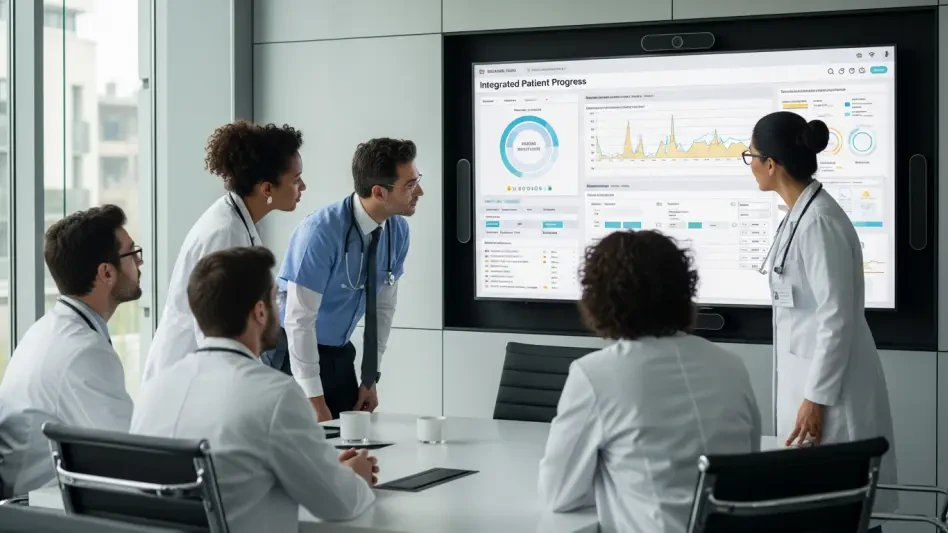
The mental health disorder segment drives a significant portion of software usage due to the high global prevalence of conditions such as anxiety, depression, and bipolar disorder. Because these conditions often require long-term, longitudinal treatment, the EMR must provide an easily navigable historical view of the patient’s journey over months or even years. Managing a vast repository of therapy notes, medication changes, and psychological assessments requires a highly organized digital record that can be parsed quickly during clinical sessions. Modern platforms utilize data visualization tools to show progress over time, such as tracking a patient’s score on a standardized depression scale. This visual feedback is not only helpful for the clinician in adjusting treatment plans but can also be shared with the patient to encourage engagement and provide a tangible sense of progress. The focus here is on creating a digital environment that supports the therapeutic relationship through transparency and data-driven insights.
Substance use disorder treatment is another high-growth area that necessitates specialized software capabilities beyond what is found in standard medical EMRs. Platforms designed for addiction recovery must manage medication-assisted treatment (MAT) records while strictly adhering to privacy regulations specifically designed for this sensitive population. Protecting the confidentiality of patients in these programs is a top priority, and software developers must implement granular access controls to ensure that only authorized personnel can view addiction-related records. These systems often include specialized features such as inventory management for controlled substances and integration with prescription drug monitoring programs. By providing tools tailored to the specific needs of recovery centers, EMR vendors help these organizations stay compliant with complex regulatory frameworks while providing high-quality, evidence-based care. The integration of social determinants of health data within these records is also becoming increasingly important for tracking the environmental factors that influence recovery outcomes.
Regional Trends: Navigating the Global Market Landscape
The United States continues to be the largest market for behavioral health EMRs, characterized by a mature technological environment and a strong emphasis on interoperability. While the growth rate in the US is steady, the current focus is primarily on replacing older, legacy systems with more intuitive, purpose-built platforms that offer better user experiences. Recent government initiatives have provided substantial financial incentives for improving digital infrastructure in underserved areas, further driving the adoption of modern EMR technology. In Europe, Germany is leading the growth charts thanks to aggressive national initiatives aimed at digitizing patient records across the entire healthcare continuum. The German government has established model regions to test data exchange standards, creating a clear path for behavioral health providers to join the national digital ecosystem. This top-down approach has compelled many providers to modernize their systems quickly to remain compliant with new national standards for data portability.
In the Asia-Pacific region, Japan and South Korea are demonstrating unique approaches to the adoption of behavioral health technology through standardization and certification. The Japanese Ministry of Health provides detailed technical guides that mandate how EMR systems should communicate, which significantly reduces the technical risk for healthcare providers when selecting new software. This structured environment fosters a predictable market where adherence to national specifications is the primary key to commercial success. Similarly, South Korea utilizes a national EMR certification framework to ensure that all digital health tools meet high standards for security and quality. Healthcare institutions in the region generally only consider certified systems, which has created a regulated but highly reliable market for software vendors. Meanwhile, in the United Kingdom, the market remains heavily influenced by the requirements of the National Health Service (NHS), which demands granular data reporting to support public health planning and resource allocation.
Regulatory Compliance: Protecting Sensitive Patient Information
Privacy remains the most significant and complex factor in the behavioral health software market, as mental health data is often subject to much stricter protections than standard medical information. In the United States, HIPAA and Department of Health and Human Services security rules set the baseline for administrative and technical safeguards that all EMR vendors must meet. These regulations require software to maintain detailed audit logs, implement robust encryption, and ensure that electronic health information is protected from any unauthorized access. Furthermore, specific federal rules such as 42 CFR Part 2 govern the confidentiality of records related to substance use disorders, requiring an even higher level of consent and protection. Recent updates to these rules have aimed to align them more closely with general healthcare standards to facilitate better care coordination, yet compliance remains a primary concern for any organization handling sensitive patient data.
On a global scale, regulations like the European Union’s General Data Protection Regulation (GDPR) impose high standards for what is classified as special category data, which explicitly includes mental health information. Systems must demonstrate a philosophy of privacy by design to enter these markets, ensuring that security features are integrated into the core architecture of the software from the very beginning. This includes features that allow patients to exercise their right to be forgotten or to easily transport their data between different providers. The regulatory environment creates both significant challenges and unique opportunities for vendors who can prove their unwavering commitment to data security and patient privacy. Organizations that successfully navigate these complex legal landscapes find that their EMR systems serve not just as clinical tools, but as vital shields against data breaches and the associated legal and reputational risks that come with handling sensitive psychiatric records.
Strategic Outlook: AI Integration and Implementation Success
The competitive landscape for behavioral health EMRs is currently divided into distinct tiers, ranging from massive enterprise platforms to nimble, specialized vendors. Enterprise health system platforms dominate the large hospital market by offering total integration, connecting psychiatric units with every other department in a major medical facility to ensure a unified patient record. In contrast, specialized behavioral health platforms target the unique workflows of community centers and state-run facilities, focusing on human services and excel at managing the complex reporting requirements of public health agencies. The next frontier for all these vendors is the meaningful integration of artificial intelligence and automation to further reduce clinician burnout. From virtual scribes that draft therapy notes based on recorded sessions to predictive analytics that identify patients at a high risk of a crisis, AI is set to revolutionize how behavioral health is delivered and managed in the coming years.
Healthcare organizations that successfully implemented new EMR systems discovered that the process required more than just technical migration; it demanded a comprehensive strategy for change management and clinical engagement. Transitioning from legacy systems or paper charts was recognized as a high-risk activity that necessitated meticulous data mapping to ensure that historical notes remained readable and compliant with privacy laws. Leaders in the field found that addressing clinician resistance through extensive training and involving clinical staff in the selection process was essential for ensuring that the software actually met the practical needs of the workforce. Furthermore, the industry recognized that the gap between promised and actual interoperability remained a significant hurdle, requiring proactive collaboration with vendors to build reliable interfaces with laboratories and pharmacies. By prioritizing cybersecurity and data integrity, organizations were able to create a digital foundation that not only improved administrative efficiency but also significantly enhanced the quality and safety of patient care.