
Evaluating the success of public health interventions like cooling centers is now possible within days of their implementation thanks to streamlined data sharing. For decades, medical professionals and urban planners operated in a vacuum, forced to wait months for insurance claims data to quantify the impact of a heatwave on local populations. This lag meant that by the time the data arrived, the opportunity to save lives had already passed, leaving officials to conduct retrospective post-mortems rather than active rescues. Recent breakthroughs in health analytics have fundamentally altered this timeline, allowing for a near-instantaneous view of hospital emergency departments. By integrating Electronic Health Records from a wide network of providers, researchers have unlocked the ability to see how extreme temperatures ripple through a community in real-time. This capability transforms public health from a reactive discipline into a proactive defense mechanism against the rising volatility of our climate as we navigate the challenges of 2026.
Bridging the Gap: Leveraging Electronic Health Records
Recent studies published in Nature Health highlight a major shift in how medical data is utilized during environmental crises. A collaborative effort involving Harvard University, Boston University, and the health analytics firm Truveta demonstrated that Electronic Health Records can provide a high-resolution snapshot of emergency department activity within a single week of a patient’s visit. This study monitored a massive network of hospitals across 19 states, providing a scale of observation previously unattainable. Unlike administrative claims, which often require complex billing cycles to conclude, digital health records offer a direct window into clinical encounters. This speed is essential because heatwaves are episodic and intense, requiring immediate logistical responses from hospital administrators. Having access to such granular information allows healthcare systems to understand the exact pressure points within their facilities, ensuring that staffing and equipment are positioned where they are needed most.
The health impact of rising temperatures extends far beyond the traditional diagnoses of heatstroke and dehydration. Analyzing the data from the summer of 2025 revealed that while heat-related illnesses spike almost immediately during a temperature surge, other underlying conditions follow a more complex trajectory. For instance, the study found that 9.2% of all-cause emergency department visits in June were attributable to heat, followed by 8.3% in August. However, the data also highlighted significant accelerations in patient volume for those suffering from kidney disease and psychiatric disorders. These conditions often worsened as the heat persisted, showing a slightly slower but equally dangerous increase in medical urgency. Recognizing these secondary impacts is vital for hospital preparedness, as it shifts the focus from just cooling down patients to managing complex chronic conditions that are exacerbated by thermal stress. This broader understanding helps clinicians prepare for a wider variety of patient needs.
Strategic Intervention: Proactive Care and Community Support
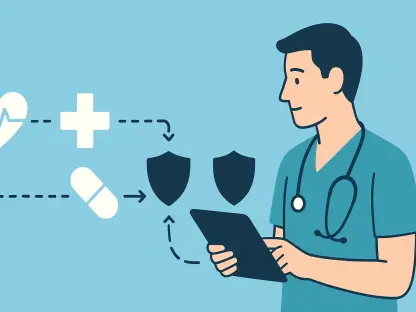
From a strategic perspective, the availability of rapid data allows for a transition toward clinician-to-patient outreach. Instead of waiting for high-risk individuals to arrive at the emergency room in a state of crisis, hospitals can use forecasting models combined with historical data to trigger preventative interventions. For example, when a heatwave is predicted, healthcare providers can proactively contact patients who require dialysis or those managing severe mental health conditions. Ensuring these individuals have transportation to climate-controlled environments or access to their medications can prevent a surge in hospital admissions. This model of preventative care is becoming the standard for managing climate instability, as it preserves hospital resources for the most critical cases while keeping vulnerable populations stable in their own homes. By refining clinical outreach in this way, medical centers can operate with higher efficiency, reducing the overall burden on the healthcare infrastructure during the hottest months.
The synthesis of rapid data and community vigilance established a new framework for hospital management during extreme weather events. Successful systems moved beyond simple observation and integrated their analytics directly into local emergency response plans. Hospital administrators who prioritized these data-sharing partnerships found that they were able to adjust their strategies mid-crisis, rather than waiting for the season to end. Moving forward, the most effective approach involved linking these medical insights with informal social networks, where friends and neighbors checked on the elderly and isolated. This dual strategy of high-tech monitoring and grassroots support provided the most robust protection against heat-related mortality. Future-proofing urban areas required a commitment to maintaining these digital pipelines while simultaneously investing in community outreach programs. By treating heat as a systemic medical threat, cities improved their overall resilience and ensured that their most at-risk residents were never left behind.