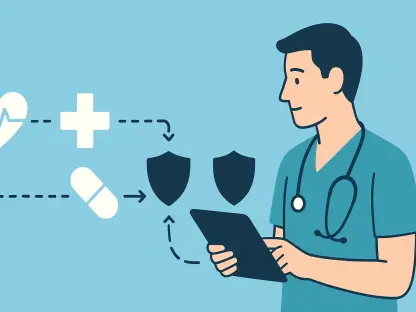

The modern medical record has evolved far beyond a digital version of a paper file, transforming into a sophisticated engine that drives survival for the smallest community clinics. In 2026, the landscape of health informatics represents the critical intersection of clinical practice, information technology, and strategic data management. This industry is no longer characterized by the mere digitizing of records but by the active synthesis of information to improve patient safety, operational efficiency, and financial health. Major market players continue to refine interoperability standards, ensuring that a patient’s medical history can follow them seamlessly across different care settings. As healthcare systems navigate a complex post-pandemic environment, the role of informatics has become central to managing the rising costs of care and the increasing demand for personalized treatment plans.
Regulatory frameworks such as the updated HITECH provisions and the 21st Century Cures Act have set the stage for a more transparent and patient-centric ecosystem. These regulations mandate that healthcare providers and technology vendors eliminate information blocking, fostering an environment where data flows more freely between institutions. In this context, community clinics that once struggled with technological adoption are now finding themselves at the forefront of innovation. By leveraging specialized informatics roles, these smaller facilities can compete with larger hospital networks in terms of care quality and administrative accuracy. The significance of this shift lies in the democratization of health data, allowing underserved populations to benefit from the same analytical rigor as those in urban medical hubs.
Bridging Technology and Patient Care: The Landscape of Modern Health Informatics
The current state of health informatics is defined by a move toward integrated ecosystems where data is utilized as a strategic asset. In 2026, the industry encompasses a wide range of segments, including clinical informatics, pharmacy informatics, and public health surveillance. The technological influence of cloud computing and edge processing has allowed even rural facilities to maintain robust electronic health records without the need for massive on-site server infrastructure. This accessibility is a game changer for nonprofit clinics that operate on limited budgets but require high-level data security and functionality. Market leaders have shifted their focus from basic software provision to creating intuitive platforms that reduce clinician burnout by streamlining documentation workflows.
Beyond the software itself, the significance of the industry lies in its ability to bridge the gap between technical data and human care. Educational institutions, such as Louisiana Tech University, play a pivotal role by preparing a workforce capable of interpreting complex datasets for practical application. This collaborative spirit between academia and the healthcare sector ensures that the next generation of professionals understands both the technical nuances of coding and the ethical implications of patient privacy. As community healthcare becomes more reliant on these specialized skills, the value of informatics professionals has surged, making them indispensable members of the modern medical team.
Driving Local Change Through Data and Analytics
Emerging Technologies and the Shift Toward Population Health Management
Primary trends affecting the healthcare industry today involve the rapid adoption of predictive analytics and automated reporting tools. These emerging technologies allow clinics to move away from reactive care models, where treatment is only sought after an illness occurs, toward a proactive population health management strategy. For example, by utilizing informatics to analyze demographic and social data, a community clinic can identify specific neighborhoods at a higher risk for chronic conditions like diabetes or hypertension. This shift is driven by a growing awareness of the social determinants of health, which include factors such as transportation access, nutrition, and housing stability.
Consumer behaviors are also evolving, with patients expecting more direct access to their health information through mobile portals and wearable device integration. This creates new opportunities for clinics to engage with their patient base outside of traditional office visits. Market drivers are increasingly focused on these engagement metrics, as higher patient involvement typically correlates with better long-term outcomes. For nonprofit medical facilities, this means using data to track which patients are utilizing available resources and which ones are falling through the gaps. By automating the identification of at-risk individuals, clinics can allocate their limited resources more effectively, ensuring that intervention happens at the most impactful moment.
Market Trajectory and the Growing Economic Value of Clinical Data
The economic value of clinical data has reached an all-time high, with growth projections for the health informatics sector remaining strong from 2026 to 2030. Performance indicators suggest that organizations investing in data integrity and revenue cycle optimization see a significant return on investment through reduced billing errors and higher reimbursement rates. For community clinics serving Medicaid and uninsured populations, financial precision is a matter of institutional survival. Clinical data is no longer just a medical necessity but a financial blueprint that identifies unclaimed revenue and identifies operational waste.
Forward-looking forecasts indicate that the market will continue to expand as artificial intelligence becomes more deeply embedded in administrative tasks. From 2026 to 2029, the industry is expected to see a transition where manual coding and billing are almost entirely replaced by autonomous systems that verify accuracy in real time. This evolution will allow healthcare staff to pivot away from paperwork and back to direct patient interaction. The trajectory of the market favors those who can synthesize large volumes of data into actionable insights, making the ability to manage and interpret clinical records one of the most valuable commodities in the modern economy.
Overcoming Structural Barriers in Community Health Informatics
The path to fully optimized health informatics is often obstructed by significant structural and technological barriers. Many community clinics face a daunting level of technical debt, relying on aging systems that do not easily communicate with modern platforms. This lack of interoperability can lead to fragmented patient records, which poses a risk to care continuity. Furthermore, the financial margins for nonprofit organizations are often too thin to allow for the wholesale replacement of legacy software. To overcome these obstacles, many facilities are turning to grant-funded initiatives and academic partnerships that provide the necessary expertise without the overhead of high-cost consulting firms.
Another complex challenge involves the shortage of specialized personnel who can bridge the gap between IT and clinical care. Professional training gaps can lead to a misunderstanding of how electronic health records should be utilized to capture the full scope of a patient’s needs. Solutions to this issue include the implementation of immersive, hands-on learning programs where students and professionals work together to audit and improve existing systems. By focusing on data integrity at the ground level, organizations can ensure that their financial and clinical reports are accurate, which in turn leads to better funding opportunities and more sustainable operations.
Navigating the Regulatory Framework and Data Security Standards
The regulatory landscape in 2026 is more rigorous than ever, with a focus on protecting sensitive patient information in an increasingly digital world. Laws regarding data security have evolved to keep pace with the rise of telehealth and remote monitoring, necessitating a constant state of compliance for all healthcare providers. These standards are not merely bureaucratic hurdles; they are essential for maintaining public trust in the healthcare system. Security measures such as multi-factor authentication, end-to-end encryption, and regular vulnerability assessments have become standard industry practices to mitigate the risk of data breaches.
Compliance now requires a holistic approach that includes staff training and the adoption of secure software architectures. The role of health informatics professionals includes staying abreast of these shifting regulations to ensure that the facility remains protected from both legal and cyber threats. In the community health sector, where resources are often limited, maintaining high security standards can be particularly challenging. However, the shift toward standardized data protocols has made it easier for smaller organizations to implement robust security frameworks that were once only available to large-scale enterprises.
The Future of Connected Communities: Innovation and Global Trends
Looking ahead, the industry is moving toward a model of totally connected communities where health data is shared globally to monitor and combat emerging health threats. Innovation in the field is being driven by the integration of genomics and personalized medicine into the standard of care. Potential market disruptors include decentralized health records based on secure ledger technology, which could give patients complete ownership of their medical history. Global economic conditions continue to influence these trends, as nations invest in digital infrastructure to improve the overall health of their workforce and reduce the long-term burden on public health systems.
Consumer preferences will likely continue to shift toward convenience and transparency, forcing clinics to adopt more agile technological solutions. The future of community wellness lies in the ability to utilize informatics to address local needs while remaining connected to a global network of medical knowledge. Factors such as the increasing use of remote patient monitoring and artificial intelligence in diagnostics will redefine the role of the neighborhood clinic. As these technologies mature, the focus will remain on how to use them to create more equitable healthcare outcomes for everyone, regardless of their socioeconomic status or geographic location.
Transforming Community Wellness Through Sustainable Informatics Solutions
The analysis of current informatics initiatives demonstrated that the integration of data-driven strategies significantly improved both the financial sustainability and the clinical efficacy of community healthcare. The findings confirmed that when clinics optimized their billing and coding processes through specialized informatics support, they reclaimed vital revenue that was previously lost to administrative error. Furthermore, the development of automated population health reports allowed for a more nuanced understanding of patient demographics, leading to more targeted and effective preventive care measures. The collaboration between academic institutions and local clinics proved to be a viable model for addressing the persistent challenges of the digital divide in underserved areas.
Future investments in health informatics should prioritize the expansion of these collaborative models to ensure that the human element of care remains central to technological advancement. Actionable next steps for the industry involve the standardizing of data capture across all nonprofit sectors to facilitate better research and resource allocation. Organizations must also look toward the integration of social determinants data into the primary electronic health record to provide a more holistic view of patient wellness. The initiative established a clear precedent that information management, when executed with precision and a focus on community service, serves as a powerful tool for social good. Moving forward, the industry must focus on scaling these local successes into a broader framework that supports sustainable healthcare for all populations.