
In the shadows of Milwaukee’s towering architectural landmarks like the Fiserv Forum and the Art Museum, a silent crisis persists where residents in neighboring zip codes experience life expectancy gaps exceeding a dozen years. While the city boasts world-class medical facilities, the physical distance to these centers combined with systemic transportation hurdles creates an impenetrable wall for many vulnerable populations. This disparity has necessitated a shift from traditional brick-and-mortar strategies toward more agile, community-centric interventions. Mobile clinics represent a significant technological and logistical leap in this evolution, functioning as fully equipped medical offices on wheels that venture directly into underserved neighborhoods. By utilizing advanced diagnostic tools and integrated electronic health records, these units aim to dismantle the traditional barriers of cost and geography. The effectiveness of this approach depends on whether these mobile solutions can move beyond temporary fixes and establish permanent, trust-based connections within the community.
Technical and Operational Frameworks
Digital Medicine: Telehealth Integration and Advanced Diagnostics
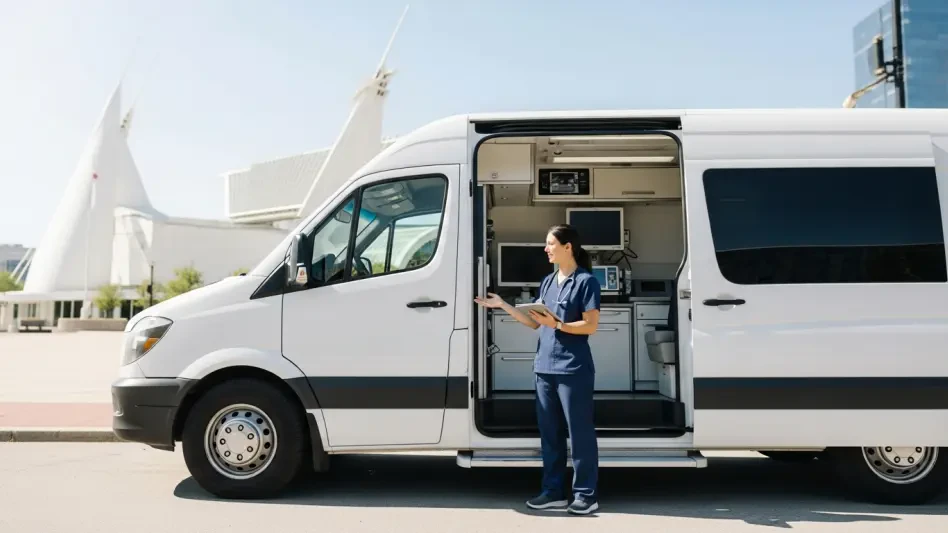
Modern mobile medical units serve as sophisticated hubs that extend the reach of specialized medicine through high-speed satellite connectivity and portable diagnostic equipment. These vehicles are no longer just basic exam rooms; they are outfitted with professional-grade tools that allow for real-time consultations with neurologists and cardiologists located at central hospitals. Patients in the North Side or South Side of Milwaukee can receive advanced screenings, such as point-of-care ultrasound or digital mammography, without ever leaving their immediate neighborhood. This immediate access to specialist expertise reduces the lag time between diagnosis and treatment, which is critical for managing chronic conditions like hypertension and diabetes. Furthermore, the integration of 5G technology ensures that data transfer remains seamless, allowing medical staff to sync patient records instantaneously with the broader health system database. This connectivity ensures that the care provided on the street is as rigorous as any hospital visit.
Resource Optimization: Predictive Logistics and Data Mapping
Efficiency in mobile healthcare is increasingly driven by predictive analytics and data mapping that identify specific areas with the highest density of unmet medical needs. By analyzing social determinants of health, such as local food insecurity rates and public transportation limitations, health systems can optimize the routing of their mobile units to maximize patient volume. This data-centric approach allows administrators to predict peak usage times and adjust staffing levels accordingly, ensuring that resources are never wasted in underutilized locations. Advanced software suites now incorporate real-time traffic data and weather patterns to minimize delays and ensure that the clinic arrives precisely when scheduled. This precision scheduling fosters reliability, which is essential for building long-term trust with populations that have historically been let down by inconsistent services. Using these analytical tools, the mobile clinic transitions from a reactive service to a proactive health intervention that anticipates community needs before they escalate.
Strategic Initiatives: Community Engagement and Future Integration
Building Relationships: Community Trust and Economic Sustainability
Bridging the healthcare gap in Milwaukee requires more than just high-tech hardware; it demands a deep commitment to cultural competency and community engagement. Mobile clinics often employ staff who live in the neighborhoods they serve, creating an immediate sense of familiarity and safety for patients who might be skeptical of large institutional settings. Language barriers are addressed through on-site bilingual navigators and translation software that facilitates clear communication regarding complex medical instructions and follow-up care. By parking at local churches, community centers, and grocery stores, these clinics become a visible and reliable part of the local landscape rather than an imposing outside force. This physical presence helps to destigmatize seeking medical help, particularly for mental health services or reproductive care. When medical professionals interact with patients in their own environment, it shifts the power dynamic from a clinical hierarchy to a collaborative partnership focused on long-term wellness.
Future Roadmap: Institutional Alignment and Long-Term Equity
The implementation of mobile clinics across Milwaukee’s underserved corridors established a robust framework for addressing systemic health inequities through technological innovation and community-based outreach. These efforts demonstrated that the physical boundaries of a hospital did not have to limit the quality of care provided to the city’s most vulnerable residents. Moving forward, the emphasis shifted toward expanding the fleet of specialized vehicles and deepening the integration of artificial intelligence for more precise health screening. Decision-makers prioritized the expansion of these programs by securing permanent funding streams and fostering cross-sector collaborations between healthcare providers and urban planners. The focus moved toward ensuring that every resident, regardless of their zip code, had a direct and reliable path to comprehensive medical services. Stakeholders recognized that true health equity required a continuous commitment to adapting services to meet the evolving needs of the urban population.