
The integration of sophisticated artificial intelligence into the primary healthcare systems of developing nations represents a monumental shift in how global health equity is addressed in the modern era. In Rwanda, a nation that has consistently demonstrated a willingness to embrace technological leaps, a new initiative backed by Bill Gates and OpenAI is currently testing the limits of what large language models can achieve in a clinical setting. This pilot program aims to provide healthcare workers in rural areas with an AI-driven assistant designed to help diagnose complex diseases and suggest treatment protocols that align with international standards. By leveraging the vast data processing capabilities of GPT-style architectures, the system offers a lifeline to clinics that suffer from a chronic shortage of specialized medical personnel. The objective is not to replace human doctors but to augment their capabilities, ensuring that every patient receives a baseline of care that was previously unattainable due to geographical and economic barriers.
Technological Implementation: Bridging the Diagnostic Gap in Rural Regions
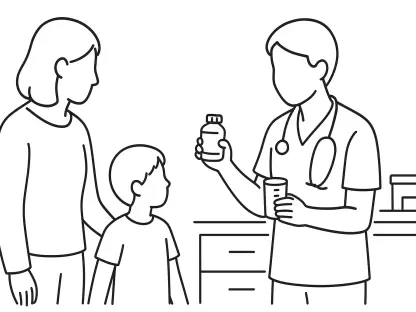
The practical application of this technology involves a customized interface that allows nurses and community health workers to input patient symptoms and history using natural language in local dialects. This interaction triggers the AI to cross-reference the data with localized medical guidelines and global health databases, providing immediate, evidence-based recommendations. Such a tool is particularly vital in Rwanda, where the ratio of doctors to the general population remains a significant challenge for the national health ministry. By offloading the initial triage and diagnostic verification to an intelligent system, local practitioners can focus their time on physical examinations and complex surgical procedures that require human empathy. Furthermore, the system includes a feedback loop where clinicians can verify suggestions, which serves to improve the model’s accuracy over time within the specific context of East African epidemiology.
Building on this technical foundation, the partnership emphasizes the importance of data sovereignty and privacy within the Rwandan legal framework to protect sensitive patient information. To ensure that the AI remains a reliable partner, the project has established rigorous protocols for data encryption and anonymization before any information is processed by cloud-based servers. This focus on security is coupled with a commitment to transparency, as the developers are working closely with Rwandan regulators to create a governance model that could serve as a blueprint for other nations. By addressing these concerns early in the pilot phase, the team hopes to build a high level of trust among the population, which is essential for the long-term adoption of any digital health intervention. The initiative also explores how these models can function in low-bandwidth environments, utilizing edge computing to ensure that connectivity issues do not hinder medical care.
As the pilot progressed, stakeholders recognized that creating a sustainable financial and operational model was essential to avoid indefinite reliance on philanthropic funding from international donors. Governments and private sector partners developed a shared investment strategy that prioritized the maintenance and regular updating of AI models to reflect the latest medical discoveries. This involved training a local workforce of data scientists and engineers in Rwanda who oversaw the systems, ensuring that technological expertise remained within the country. Furthermore, the integration of these tools into national health insurance schemes provided a pathway for scaling the technology across the entire healthcare ecosystem. Policymakers also established clear liability frameworks to define the responsibilities of both developers and practitioners. The pilot demonstrated that while technology was a powerful tool, its success depended on deep integration with local knowledge and institutional support.