
Missouri stands at a monumental crossroads as state legislators debate a fundamental transformation of the revenue collection system that could redefine the local economy. The proposal centers on a constitutional amendment that would empower the General Assembly to abolish the state’s personal income tax, a move that advocates believe would spur unprecedented growth. However, this transition necessitates a dramatic expansion of the sales tax base to include items that have historically been exempt from such levies. The most striking element of this plan involves the potential taxation of medical services and prescription medications, marking a significant departure from decades of public policy. As the debate intensifies, citizens and policymakers are weighing the promise of a more competitive economic landscape against the risks of increased costs for life-saving care. This shift represents more than just a fiscal adjustment; it is a profound reimagining of how the state funds its essential public services and who bears the primary financial burden.
The Shift Toward a Consumption-Based Economy
Promoting Economic Competitiveness: Growth and Objectives
Proponents of the constitutional amendment argue that eliminating the income tax is the most effective way to position Missouri as a leader in regional economic competitiveness. By following the lead of states like Florida and Texas, Missouri aims to attract high-net-worth individuals and corporate headquarters that are currently deterred by the existing tax structure. Supporters suggest that removing the tax on earnings will provide households with more disposable income, which in turn will stimulate consumer spending and drive business expansion across the state. This supply-side approach rests on the assumption that a surge in economic activity will eventually broaden the tax base naturally, even if initial revenue streams from income are removed. The goal is to reverse the trend of slow population growth by creating an environment where labor and capital can flow freely without the friction of state-level income levies. This strategy is viewed by many in the business community as a necessary step for long-term prosperity and innovation.
Addressing Potential Budgetary Shortfalls: The Kansas Comparison
The financial reality of replacing the personal income tax is a daunting challenge for state budget analysts, given that it currently provides nearly two-thirds of the general fund revenue. Critics point to the high stakes involved in such a massive fiscal experiment, citing the difficulties other states have faced when attempting similar deep cuts without sustainable replacement plans. The transition to a consumption-based model requires a significant increase in the sales tax rate or a massive expansion of the categories subject to the tax, including many services that are currently untaxed. There is significant concern that the resulting revenue stream would be much more volatile than the stable income tax, potentially leading to budget shortfalls during economic downturns. Skeptics often recall the fiscal crisis in Kansas, where aggressive tax cuts led to a depletion of reserves and forced the legislature to eventually restore the previous tax levels. Ensuring that the state can continue to fund education and infrastructure remains a primary concern.
The Impact on Healthcare and Public Policy
Patient Anxiety: Rising Costs for Medical Care
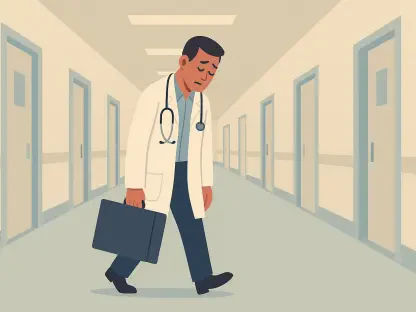
For many Missourians, particularly those managing chronic health conditions, the prospect of paying sales tax on medical essentials is a source of profound anxiety and financial fear. The inclusion of prescription medications and physician visits in the sales tax base would directly increase the cost of healthcare for the most vulnerable segments of the population. Advocates for health equity argue that such a tax is inherently regressive, as it consumes a larger percentage of income from low-income families compared to those with higher earnings. There are worries that even a small percentage increase in the cost of insulin, chemotherapy, or routine screenings could lead to patients skipping necessary treatments or delaying medical consultations. This financial barrier could result in worse health outcomes and higher long-term costs for the state’s public health system. The debate over medical taxation has become a focal point for organizations representing seniors and patients with disabilities, who argue that healthcare should not be treated as a discretionary purchase.
Legislative Authority: The Role of Industry Influence
The proposed amendment grants the General Assembly significant latitude in determining which specific goods and services will be subject to the expanded sales tax, raising questions about political influence. Special interest groups and powerful industrial lobbies are already preparing to advocate for specific exemptions, which could leave individual taxpayers and smaller industries to shoulder the remaining burden. This level of legislative discretion means that even if initial promises are made to protect healthcare, future lawmakers would have the constitutional authority to change those exemptions at any time. This lack of permanence creates a sense of uncertainty for businesses and residents who need long-term stability to make informed financial decisions. Furthermore, the reliance on the legislature to manage these exemptions opens the door for a complex system of tax preferences that could undermine the simplicity promised by the consumption-based model. Transparency in these decisions will be crucial for maintaining public trust.
Strategic Considerations for the Missouri Electorate
Balancing Economic Theory: A Path Toward Public Welfare
Voters and policymakers examined the historical performance of consumption-based tax models in other jurisdictions to identify potential pitfalls and advantages. This analytical process involved consulting with economic experts who provided insights into how demographic shifts might influence long-term tax revenue stability. The state government prepared detailed reports that compared the potential for job creation against the necessity of maintaining high-quality public services like healthcare and infrastructure. Public forums allowed citizens to voice their concerns directly to the General Assembly, ensuring that the legislative process remained responsive to the needs of the community. These discussions highlighted the importance of creating a balanced tax structure that promoted growth without compromising the affordability of essential medical treatments. Ultimately, the state focused on developing a transition plan that prioritized fiscal responsibility and public health. This collective effort provided a foundation for the subsequent legislative actions.
Future Fiscal Safeguards: Implementing Sustainable Policy
Government officials implemented a comprehensive monitoring system to track the real-time impact of sales tax expansion on medical spending and patient health outcomes. This data-driven approach allowed the state to make quick adjustments to tax rates and credits, ensuring that the burden on the healthcare sector did not exceed sustainable levels. Legislators also looked at alternative revenue streams, such as modernizing the taxation of digital goods, to further diversify the state’s financial foundation. Educational campaigns were launched to inform the public about tax relief programs, which helped maintain high levels of participation in the new economic system. Independent auditors verified that the revenue generated from the expanded sales tax base was sufficient to cover the losses from the eliminated income tax. These proactive measures mitigated the risks associated with the transition and provided a framework for long-term fiscal stability. By focusing on accountability, the state moved forward with a clear vision for its residents.