
The achievement of a cancer-free status often marks the conclusion of a clinical journey for the medical team, yet for many survivors, it signifies the beginning of a complex struggle with a body that no longer feels familiar or functional. This guide explores the systemic disconnect between clinical success and the lived reality of a body permanently altered by surgery. By examining the impact of sensory loss and the pitfalls of current communication models, it is possible to outline a more comprehensive approach to patient education that prioritizes long-term well-being and informed decision-making.
Bridging the Gap Between Medical Survival and Quality of Life
The current medical landscape is exceptionally efficient at treating breast cancer as a biological threat, yet it often stumbles when preparing survivors for the physical and emotional landscape that follows. Clinical teams celebrate when the pathology report confirms clear margins, viewing the surgery as a triumph over disease. However, this definition of success often overlooks the internal experience of the patient who must live within the altered architecture of their own body. For many, the disconnect between medical success and personal well-being stems from a lack of transparency regarding the long-term changes that occur after the surgery is complete.
Survival is treated as an endpoint rather than a transition into a new way of existing. Consequently, a comprehensive approach to patient education is required to prioritize long-term well-being and ensure that survivors are equipped to handle the realities of a permanently altered physical state. The goal is to bridge the void between the sterile environment of the operating room and the complex, tactile reality of daily life. By shifting the focus toward the lived experience, the medical community can transform the post-cancer journey from one of alienation into one of reclamation and understanding.
The “Quiet Guardian” and the Hidden Costs of Sensory Deprivation
Clinical success is traditionally measured by clear margins and aesthetic symmetry, but for the survivor, the loss of sensation represents a profound shift in self-perception. Sensation acts as a quiet guardian, providing an invisible safety net that informs the brain about the body’s environment. When nerves are severed without adequate preoperative discussion, survivors are left to navigate a world where they can no longer feel a loved one’s hug or gauge the temperature of a shower. This background of numbness is not merely a side effect; it is a fundamental alteration of the human experience that requires validation and specialized preparation.
The psychological weight of this sensory void cannot be overstated, as the absence of feeling often leads to a sense of dissociation from one’s own chest. A body that does not feel becomes a body that feels like an object rather than a part of the self. This numbness often persists long after the physical wounds have healed, creating a permanent reminder of the trauma. Education must therefore validate these sensations—or lack thereof—as a significant clinical outcome. Without this acknowledgment, survivors may feel that their concerns are trivial compared to the primary goal of staying alive, which further isolates them in their recovery.
Reforming the Educational Pipeline: A Step-by-Step Evolution of Patient Care
1. Deconstructing the High-Stress Information Overload at Diagnosis
The period immediately following a diagnosis is often a blur of trauma and rapid-fire decision-making, making it the least effective time for complex education. Patients are frequently asked to absorb massive amounts of data while in a state of physiological shock. Consequently, the brain struggles to retain critical information about surgical options and post-operative life.
Replacing Medical Jargon with Practical Life Expectations
Clinicians must move beyond technical terms like sub-pectoral placement to describe how surgery will actually feel during daily activities, such as wearing a seatbelt or carrying groceries. Instead of focusing solely on the anatomical shifts, the conversation should center on the sensory feedback a patient can expect when moving through their environment.
Implementing Repetition as a Clinical Necessity
Because trauma inhibits information retention, essential post-operative realities must be revisited multiple times throughout the treatment trajectory to ensure true comprehension. A single mention of nerve damage in a pre-surgical consult is rarely sufficient for a patient to understand the lifetime of numbness that may follow. Repetition serves as a clinical bridge to better outcomes.
2. Validating the Physical and Mental Toll of Permanent Numbness
Many survivors feel blindsided by the lack of feeling in their chest, often discovering the severity of the loss only after the bandages are removed. This sudden realization can trigger a secondary wave of grief that is often left unaddressed by the surgical team. Education must proactively prepare patients for this moment to soften the psychological impact.
Addressing the Exhaustion of Neurological Hyper-Vigilance
Education must address how the brain relentlessly scans numb areas for feedback, leading to a state of mental fatigue and heightened anxiety regarding potential injury or recurrence. This constant, subconscious search for a signal that never arrives drains cognitive resources and contributes to the general exhaustion many survivors report long after treatment ends.
Highlighting the Physical Dangers of Sensory Loss
Survivors need explicit guidance on safety protocols, such as the risks of using heating pads or the loss of proprioception in their upper body. Without the ability to feel heat or pressure, a simple comfort item can become a source of significant injury. Moreover, a lack of spatial awareness can make navigating physical spaces feel clumsy and frustrating.
3. Expanding the Dialogue to Include Advanced Reconstructive Alternatives
A primary failure in current education is the omission of surgical options that could mitigate long-term nerve damage. Many patients assume that numbness is an unavoidable tax on survival, unaware that modern techniques may offer a different path. Broadening this dialogue is essential for restoring a sense of agency to the patient.
Restoring Agency Through Early Discussion of Nerve Repair
Patients deserve to know about procedures like nerve reconnection during reconstruction before they commit to a surgical plan, rather than discovering them on social media years later. Providing this information early allows individuals to weigh the pros and cons of different surgical approaches based on their personal priorities and lifestyle needs.
Reducing the Reliance on Social Media Crowdsourcing
By providing a comprehensive roadmap of all available technologies and outcomes, healthcare providers can prevent patients from seeking medical advice from unverified online communities. When clinical teams fail to provide a full picture, survivors naturally turn to peer groups to find the answers they are missing. Professional guidance should always be the primary source of truth.
Essential Strategies for Closing the Education Gap
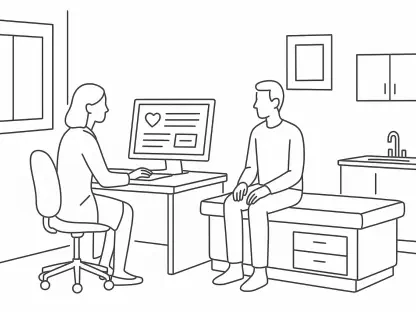
To close the gap, healthcare systems should prioritize lived survival metrics alongside clinical oncology outcomes. This means measuring the success of a surgery not just by the absence of disease, but by the patient’s ability to feel and function in their daily life. Standardizing the discussion of sensory loss as a mandatory part of surgical consent ensures that every patient enters the operating room with realistic expectations. Furthermore, integrating multi-stage educational touchpoints that extend well into the survivorship phase provides ongoing support as new challenges arise.
The definition of surgical success must shift to include neurological and functional restoration. This transition requires a commitment to seeing the patient as a whole person rather than a collection of symptoms. When the care team acknowledges the importance of sensation, the patient feels heard and supported. Such strategies foster a culture of transparency that empowers survivors to advocate for their own needs throughout the recovery process.
Transforming the Healthcare Model to Prioritize the Lived Experience
The shift toward more robust patient education reflects a broader trend in medicine that moves away from the paternalistic model and toward true shared decision-making. As breast cancer advocacy continues to evolve, there is an increasing demand for healthcare systems to address the survivorship drop-off. Future developments in surgical techniques, such as neurotization, suggest a future where being cured also means feeling whole. The challenge lies in ensuring that these advancements are matched by a communication infrastructure that values the patient’s quality of life.
Medicine is reaching a point where the technical ability to save a life is being matched by the ability to restore the quality of that life. However, without a corresponding evolution in how information is shared, these technical leaps will not reach their full potential. The relationship between the patient and the provider must be one of partnership and deep communication. This transformation ensures that the medical success achieved in the clinic translates into a meaningful and fulfilling life for the survivor.
Empowering Survivors to Move from Being Cured to Being Whole
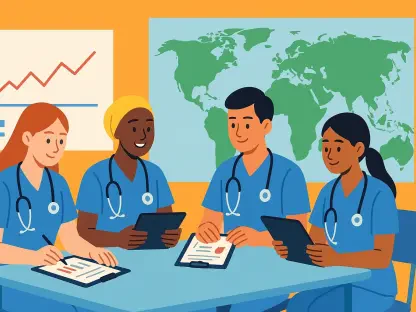
The medical community addressed the underlying gaps by integrating a holistic view of patient care that looked beyond the immediate crisis of diagnosis. Providers recognized that survival was merely the first step toward a complete recovery and that the patient’s sensory experience was a vital component of that journey. By implementing multi-stage educational touchpoints, the system fostered a culture of transparency and trust that had previously been lacking. Patients moved forward with a sense of wholeness and were better prepared for the physical and emotional nuances of their new reality.
Future survivors benefited from a system that prioritized functional restoration and sensory health as much as oncological success. The transition away from a paternalistic model of communication allowed individuals to reclaim their agency and make choices that aligned with their long-term well-being. Ultimately