
The transition from mere activity tracking to holistic biological intelligence represents the most significant shift in consumer electronics since the advent of the smartphone itself. Samsung’s introduction of the Connected Care ecosystem marks a decisive move away from counting steps toward a reality where devices interpret the complex symphony of human health. This review analyzes how the brand is utilizing artificial intelligence to transform fragmented biological data into a unified, actionable diagnostic tool.
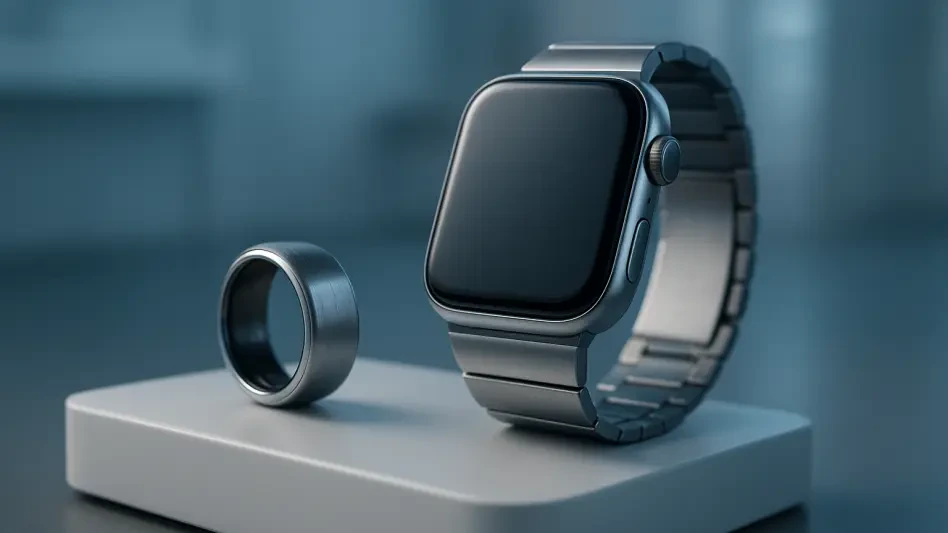
The Galaxy ecosystem is currently being redefined as a proactive health monitor rather than a collection of separate gadgets. By integrating hardware like the Galaxy Ring and Galaxy Watch with advanced neural processing, Samsung is attempting to close the gap between consumer wearables and professional medical insights. This strategic pivot reflects a broader technological trend where the interpretation of data is becoming far more critical than the raw sensors that collect it.
The Foundation of Samsung’s AI-Driven Health Vision
The shift toward an AI-driven vision began with the realization that users are often overwhelmed by raw metrics that lack meaningful context. Samsung is addressing this by moving the Samsung Health platform away from passive observation and into the realm of active synthesis. Instead of providing a generic heart rate reading, the system now aims to explain why that reading matters in the context of the user’s overall lifestyle and daily stress.
This foundation is built on the premise that health is a continuous narrative rather than a series of isolated events. By utilizing artificial intelligence to analyze patterns over time, the platform seeks to eliminate the “data fatigue” that has plagued previous generations of wearables. The result is a system that focuses on providing high-level insights that can lead to actual behavior change, effectively turning a smartphone into a personal health consultant.
Core Pillars of the Connected Care Ecosystem
Building a comprehensive care ecosystem requires more than just high-end hardware; it necessitates a structural change in how data is processed and shared. Samsung has organized this strategy around two primary pillars that focus on individual biological uniqueness and the social aspects of health management. These pillars represent the technical backbone of the entire Connected Care initiative, ensuring that data serves both the individual and their wider support network.
Personalized Biological Intelligence
The platform’s greatest technical achievement is its move away from demographic averages toward personalized biological baselines. Most wearable competitors still rely on comparing user data to generalized populations, but Samsung’s AI learns the specific daily rhythms of the individual wearer. This allows the system to recognize that a slight increase in heart rate might be a normal recovery sign for one person but a warning of illness for another.
By analyzing sleep architecture and activity levels against a personalized history, the AI creates a dynamic biological profile. This context is vital because it prevents the “alarm fatigue” caused by generic notifications. The significance of this implementation lies in its ability to offer tailored recovery advice, such as suggesting a rest day based on poor sleep quality rather than a rigid training schedule.
Interconnected Care Circles
The second pillar, known as Care Circles, addresses the fundamental problem of data isolation by enabling secure health insight sharing. This functionality allows users to transmit critical health metrics to family members, caregivers, or physicians in real time. It transforms the wearable from a personal fitness tool into a proactive communication device that can bridge the distance between elderly relatives and their concerned families.
This social integration is a unique differentiator that moves Samsung beyond the typical “fitness tracker” category. By providing a secure layer for data transmission, the system ensures that alerts for irregular heart rhythms or sudden falls reach the people who can actually provide assistance. This interconnectivity turns health data into a collaborative effort, enhancing the safety of vulnerable users while maintaining granular control over privacy.
Emerging Trends in Predictive Health and Human-Centric AI
The industry is currently transitioning from descriptive health reporting to predictive health forecasting. Samsung is positioning itself at the forefront of this trend by focusing on AI that acts as an invisible assistant, spotting deviations before they manifest as medical emergencies. This shift toward “Human-Centric AI” ensures that the technology remains a tool for human connection rather than a barrier to it.
Consumer behavior is increasingly demanding “Connected Intelligence” that spans the entire household and personal network. This trend suggests that users no longer want separate reports from their watches and rings but a single, synthesized wellness score. Samsung is leaning into this by ensuring that their AI-driven insights remain consistent across all devices, creating a seamless experience that predicts wellness needs from 2026 to 2028 and beyond.
Real-World Applications and Sector Integration
The deployment of this ecosystem has profound implications for elderly care and remote patient monitoring. By using the Galaxy Ring as a low-profile sensor, seniors can be monitored without the intrusiveness of traditional medical equipment, providing families with peace of mind. Clinical integration is also improving, as doctors can now view long-term biological trends instead of relying on a single snapshot taken during an office visit.
Beyond the clinical space, corporate wellness and athletic optimization are seeing significant benefits from this platform. Organizations are implementing these tools to help employees manage stress and avoid burnout through proactive health suggestions. Meanwhile, athletes are using contextual awareness to fine-tune their training loads, ensuring that every session is optimized for their current physiological state.
Technical Challenges and Implementation Hurdles
Despite the impressive vision, several technical obstacles remain regarding the transparency of the underlying AI models. Samsung has provided limited information about the specific large language models and neural networks that power these insights, leading to questions about technical reliability. Without clear architectural transparency, it remains difficult for the medical community to fully endorse the AI-generated guidance provided to consumers.
Data privacy and clinical validation also present significant hurdles that must be overcome for the ecosystem to reach its full potential. Sharing intimate biological data necessitates robust encryption and very granular permission protocols that are still being refined. Furthermore, avoiding the phenomenon of “cyberchondria” requires that AI insights are backed by rigorous scientific evidence to prevent users from drawing incorrect or stressful medical conclusions.
Future Outlook: The OS of the Body
The long-term trajectory of this technology points toward a future where health sensors are both ambient and ubiquitous. We can expect to see sensors integrated into a wider variety of lifestyle objects, providing a constant stream of data that requires no manual input from the user. Samsung’s ultimate goal is to establish Connected Care as the “OS of the Body,” a central nervous system for the digital age that manages health risks years in advance.
This evolution suggests that health management will eventually move away from being a mere feature of a smartwatch. Instead, the biological insights will become the primary reason consumers choose to stay within the Samsung ecosystem. As miniaturization continues, the focus will remain on the intelligence layer, ensuring that the technology stays invisible while the health benefits remain front and center.
Assessment of the AI-Health Pivot
The review of the Connected Care ecosystem demonstrated that Samsung successfully identified the next frontier of wearable technology by prioritizing intelligence over raw data. The platform established a new standard for personalization, moving the industry away from generic benchmarks and toward a deeper understanding of individual biological patterns. By introducing the social layer of Care Circles, the company effectively solved the problem of isolated health data, turning personal metrics into a shared safety net.
However, the analysis also showed that the success of this vision depended heavily on future technical transparency and more robust clinical validation. Samsung navigated the transition to an AI-first approach with significant momentum, but the long-term viability of the platform will require clearer protocols for data privacy and medical accuracy. To maintain its lead, the brand should have focused on open-sourcing parts of its AI logic to build greater trust with the medical community and professional healthcare providers.