
The persistent sensation of a heavy chest and a clouded mind often arrives alongside the first bloom of spring, yet for millions of people, this physical congestion carries a hidden weight that feels indistinguishable from a deep and persistent sense of psychological dread. While the medical community long categorized seasonal hay fever as a minor inconvenience confined to the sinuses, the contemporary understanding of health recognizes a more invasive reality. Nearly half of all individuals suffering from chronic allergies also struggle with clinical anxiety, suggesting that the struggle for breath is often accompanied by a struggle for emotional equilibrium. This connection is not merely a coincidence; it is a biological byproduct of an immune system locked in a state of perpetual overdrive.
The importance of this intersection cannot be understated as the global prevalence of allergic disease continues to climb. When the boundary between physical illness and mental distress becomes blurred, patients often find themselves trapped in a cycle of ineffective treatments and rising frustration. Seeking a precise answer is no longer just about stopping a sneeze; it is about reclaiming cognitive clarity and emotional stability. By shifting the focus toward diagnostic precision, healthcare can move beyond simply managing symptoms and start addressing the systemic impact that allergic responses have on the human mind.
Beyond the Sneeze: Why Your Allergies Feel Like Anxiety
Seasonal congestion frequently brings more than just physical discomfort; it often serves as a trigger for inexplicable irritability and a sense of impending doom. The reality for many is that the physiological stress of an allergy mimics the body’s natural fight-or-flight response, leading the brain to interpret physical inflammation as a sign of psychological threat. This overlap creates a confusing internal environment where the sufferer cannot tell if their racing heart is a result of an environmental trigger or a burgeoning anxiety disorder.
For the average individual, the persistent nature of these symptoms erodes the quality of life, making daily tasks feel insurmountable. The biological link between a stuffy nose and a heavy mind suggests that the immune system’s attempt to protect the body actually compromises the brain’s ability to remain calm. Consequently, the first step to relief is not necessarily a sedative or a psychological intervention alone, but a definitive clinical answer that separates the allergic response from the psychiatric experience.
The Overlooked Connection: Immune Responses and Mental Well-being
Understanding the immunopsychiatric link is essential for navigating the vague symptoms that peak during the warmer months. When the body mistakenly identifies a harmless substance like pollen as a lethal invader, it releases a cascade of inflammatory chemicals that do not remain localized in the respiratory tract. These substances cross the blood-brain barrier, contributing to symptoms often associated with mental health struggles, such as extreme fatigue, cognitive sluggishness, and mood instability.
This relationship creates a pervasive diagnostic fog that makes it difficult for patients to discern whether they are suffering from a temporary viral infection, a chronic allergy, or a mental health relapse. Without clarity, the mind often defaults to a state of hyper-vigilance, further exacerbating the physical symptoms. The systemic nature of this immune response means that mental well-being is intrinsically tied to how effectively the body manages its triggers, necessitating a more holistic approach to allergy care that acknowledges the brain as an affected organ.
Breaking the Cycle: Uncertainty and Misdiagnosis
The statistical reality of allergic distress is staggering, with research indicating that allergy patients experience anxiety at a rate of 43%, mood disorders at 28%, and eating disorders at 38%. These figures highlight that a chronic allergic response is a systemic issue that significantly compromises emotional stability. When a patient lives with unconfirmed triggers, they often fall into anxiety-driven avoidance behaviors, unnecessarily restricting their social lives and environments because they simply do not know what is making them sick. This uncertainty acts as a primary driver of psychological burden, turning every outdoor excursion or new meal into a potential source of panic.
The psychological impact ripple outward, placing an immense burden on the home front and affecting the quality of life for entire families. Approximately 77% of parents managing a child’s food allergies report chronic anxiety, yet a massive gap remains in clinical practice where only 9% of these individuals receive formal mental health screenings. This oversight is compounded by the danger of treatment failure; studies show that 65% of patients taking antihistamines actually test negative for IgE antibodies. This ineffective cycle of treating non-existent allergies not only fails to provide physical relief but also erodes patient confidence and fuels a sense of hopelessness.
Bridging the Gap: Clinical Testing and Psychological Relief
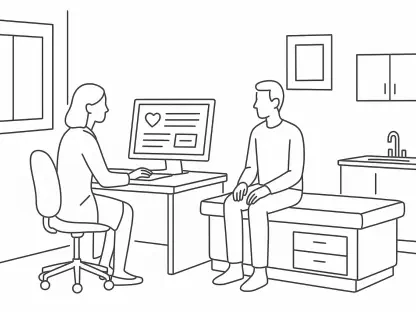
Precision medicine is currently shifting the focus from subjective symptom observation to objective, data-driven diagnostics. Experts like Gary Falcetano emphasize that the traditional approach of simply observing symptoms is no longer sufficient to address the complexities of the modern immune system. By utilizing specific IgE blood testing, clinicians can move away from guesswork and toward evidence-based management. This diagnostic clarity serves as a mental health intervention in its own right, as naming the “enemy” allows the vague worry of the unknown to be replaced by a concrete, actionable plan.
While therapies like Cognitive Behavioral Therapy are incredibly valuable for managing the distress associated with chronic illness, they are most effective when built upon a foundation of diagnostic certainty. Knowing exactly what triggers a reaction allows for targeted environmental controls and more efficient medication timing, which significantly reduces the cognitive load on the patient. This transition from a reactive to a proactive mindset is the cornerstone of psychological relief, transforming the patient from a victim of their environment into an informed manager of their health.
Practical Steps: Diagnostic Clarity and Peace of Mind
Achieving lasting peace of mind requires a strategic approach that begins with a reproducible symptom history. Patients should track their reactions to see if they are consistently linked to specific environments, seasons, or foods, as this history remains a vital tool for clinicians. Requesting specific IgE blood testing is the next logical step, moving beyond the trial and error of over-the-counter medications. This map of triggers provides the definitive data needed to tailor environmental interventions and ensure that any medication used is actually necessary and effective.
Advocacy within the clinical setting is equally important, as patients must be vocal about the emotional toll their symptoms take. Since less than 10% of clinicians routinely screen for mood disorders in allergy patients, initiating this conversation is the only way to ensure a holistic care plan. Finally, shifting from a reactive stance to a proactive management strategy allows individuals to terminate the cycle of uncertainty. By replacing fear with preparation, the psychological weight of the allergy season is lifted, allowing for a life defined by data and confidence rather than mystery and anxiety.
The medical community shifted its perspective to recognize that the integration of mental health screening and precise testing provided a superior model of care. This transition allowed for a proactive management strategy that prioritized biological evidence over subjective guesswork. By ensuring that patients received definitive IgE testing, clinicians successfully reduced the over-prescription of unnecessary medications and addressed the hidden anxiety that accompanied chronic symptoms. Ultimately, this comprehensive approach ensured that the ambiguity of seasonal illness no longer compromised the long-term emotional stability of those seeking relief.