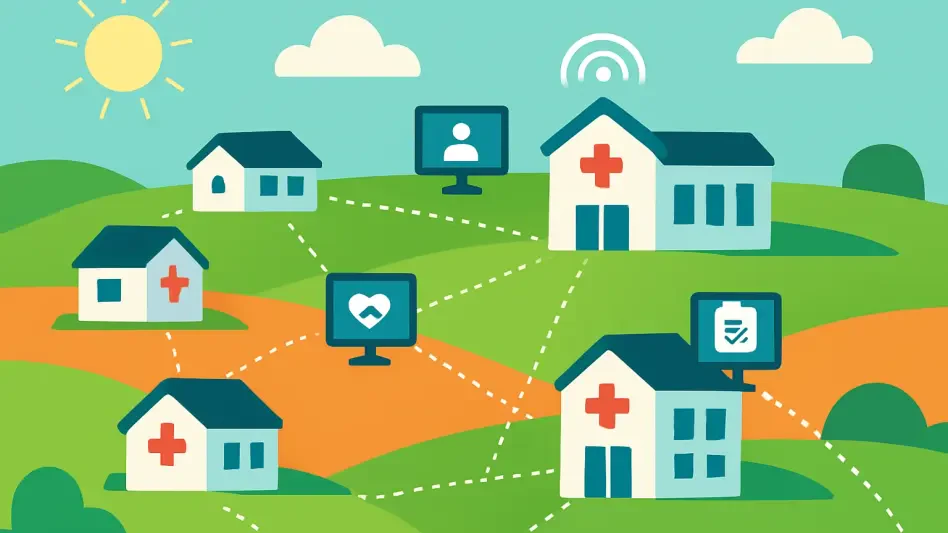

Strengthening Florida’s Rural Medical Infrastructure and Service Delivery
Florida is embarking on a comprehensive overhaul of its rural healthcare framework by injecting one hundred eighty-nine million dollars into a system that has long struggled with geographic isolation and limited resources. This significant investment represents a pivotal move to bridge the healthcare gap between Florida’s bustling urban centers and its isolated rural corridors. As part of a larger five-year federal initiative, the state is prioritizing the decentralization of medical services to ensure that 1.2 million residents gain access to essential care.
The current landscape is defined by a shift toward satellite clinics and a heavy reliance on nonprofit organizations to stabilize the healthcare workforce. By leveraging state-level leadership and federal backing, Florida aims to create a more resilient network capable of handling modern medical demands. This strategy moves beyond simple facility construction to emphasize a cohesive ecosystem of care delivery across regions that have been historically underserved for generations.
Telehealth Expansion and Workforce Development: Primary Growth Drivers
The integration of remote care technologies is the cornerstone of this revitalization effort, evidenced by the forty-three point seven million dollars awarded to Community Health IT to enhance digital health capabilities. Beyond technology, the strategy emphasizes a robust talent pipeline through multi-million dollar grants to institutions like Florida A&M and Florida State University. These workforce development programs train a new generation of healthcare professionals specifically prepared for the unique challenges of rural medicine.
Ensuring that new facilities are adequately staffed remains a primary goal for regional planners. Professional training programs focus on the nuances of remote diagnostics and patient management in areas where specialized care is often many miles away. This human-centric approach complements the technological rollout, creating a balanced foundation for the long-term health and stability of these specialized medical communities.
Mapping the Financial Distribution: Growth Projections Across Florida
Funding is strategically funneled into regions with the highest medical disparities, with the Florida Panhandle receiving a leading eighty-one million dollars to overhaul its aging infrastructure. Northeast Florida follows with fifty-one million dollars, while Southwest Florida is allocated forty-five million dollars to expand its capacity. Even regions closer to major hubs, such as Southeast Florida, are receiving twelve million dollars to fine-tune their outreach.
These performance indicators suggest a significant short-term boost in local healthcare accessibility across the state. However, the long-term success of these investments is contingent on the sustained operational viability of these new medical nodes. Strategic placement of funds ensures that the most vulnerable populations receive immediate relief while setting the stage for future regional expansions and more efficient care.
Navigating Financial Gaps and Talent Retention in Underserved Counties
Despite the massive capital injection, the industry faces the daunting challenge of covering recurring operational costs that grants often overlook. Critics point out that while the funding builds the structural foundation of a healthcare system, it does not account for the high costs of medical staff salaries or land leasing. To overcome these hurdles, Florida must develop strategies to attract doctors to fiscally constrained counties where the cost of living can be a deterrent.
Without a plan to address these soft costs, the physical infrastructure risks becoming underutilized or even abandoned over time. Maintaining a consistent presence of qualified physicians requires more than just modern buildings; it necessitates a competitive economic environment that incentivizes long-term residency. This gap between capital expenditure and operational reality remains a primary concern for local administrators and health policy experts.
Policy Shifts and the Evolving Federal Medicaid Landscape
The regulatory environment remains a point of contention, particularly regarding the state’s low Medicaid reimbursement rates which many argue stifle provider participation. Furthermore, a projected one hundred thirty-seven billion dollar federal cut to Medicaid over the next decade looms as a significant threat to the stability of rural clinics. Navigating these regulatory waters requires a balance between state-led infrastructure growth and strict federal compliance.
Security measures for telehealth and remote patient data are becoming increasingly stringent under new healthcare standards, adding another layer of complexity. Providers must adapt to these evolving policies while managing the financial strain of potential budget reductions. The intersection of state funding and federal policy will determine the ultimate sustainability and reach of these rural medical networks.
The Path Forward for Remote Care and Sustainable Rural Health
The future of Florida’s rural healthcare lies in the successful fusion of high-tech remote monitoring and sustainable local clinic models. As consumer preferences shift toward at-home care and digital consultations, the state’s investment in broadband-dependent medical services could serve as a national blueprint. Innovation in this sector must be met with economic policies that ensure providers remain solvent while serving populations with high rates of government insurance.
The potential for market disruption remains high if insurance support does not evolve alongside these technological advancements. Sustainable rural health requires a commitment to both digital infrastructure and the traditional brick-and-mortar clinics that serve as community hubs. Balancing these two elements is essential for creating a healthcare system that is both modern and accessible to every citizen.
Evaluating the Long-Term Impact of Infrastructure-Led Revitalization
This initiative functioned as a transformational first step that addressed the immediate physical needs of the rural healthcare system across the state. For these gains to be permanent, administrators transitioned from a narrow focus on construction to a broader strategy of operational sustainability and competitive provider compensation. The prospect for growth remained immense, yet the ultimate measure of success was whether Florida could improve patient outcomes while navigating complex financial realities.
Rigorous oversight and a commitment to addressing systemic reimbursement issues proved essential to ensuring this capital injection yielded a lasting return on investment. Stakeholders recognized that the physical revitalization of clinics was only the beginning of a much longer journey toward health equity. By focusing on the integration of technology and human talent, the state moved closer to a more unified and resilient healthcare landscape.