
The pharmaceutical industry spent decades scouring the molecular landscape for a single, definitive “silver bullet”—one miracle drug capable of eradicating tumors in a single stroke—but today that search is giving way to a more nuanced reality. Clinicians no longer view cancer as a puzzle with a single missing piece; instead, the focus has shifted toward complex, multi-modal strategies that combine biological precision with traditional brute force. As the limits of monotherapies become clearer, an unexpected alliance is forming between cutting-edge viral engineering and the decades-old “heavy lifters” of the oncology world, such as platinum-based chemotherapy. This shift represents a fundamental change in how the industry approaches the stubborn resilience of solid tumors in ovarian and lung cancers.
The End of the “Silver Bullet” Era in Cancer Research
The race to cure cancer was once defined by the pursuit of a singular, revolutionary breakthrough that would render all other treatments obsolete. However, as the limitations of this approach became evident, the medical community began to embrace the idea that the most effective way to combat complex malignancies was through a synergistic combination of therapies. This evolution led to a renewed interest in traditional treatments that had long been the backbone of cancer care. Platinum-based chemotherapies, for instance, remain effective at debulking tumors, yet their power is frequently undermined by the development of cellular resistance over time.
By marrying these reliable chemical tools with modern viral engineering, researchers are creating a new therapeutic paradigm. Oncolytic viruses, which were once viewed as experimental curiosities, are now being utilized as critical components in a broader treatment strategy. These viruses are designed to selectively infect and replicate within cancer cells, triggering a biological chain reaction that primes the tumor for a more effective attack by chemotherapy. This integrated approach marks the end of the “silver bullet” era and the beginning of a more collaborative and effective period in cancer research.
Why Modern Targeted Therapies Are Reaching a Plateau
The arrival of immune checkpoint inhibitors and CAR T-cell therapies brought hope to patients, particularly those with liquid cancers like leukemia and lymphoma. However, these high-tech innovations have encountered a significant biological wall when applied to solid tumors. The effectiveness of many targeted therapies is strictly dependent on the presence of specific genetic biomarkers. If a patient’s tumor does not express the correct signature, the drug is essentially blind to the target, leaving a vast number of patients without viable treatment options as their disease progresses.
Furthermore, solid tumors are notorious for building immunosuppressive “fortresses” that physically and chemically exclude immune cells. Even the most advanced cell therapies often fail to penetrate these dense masses or survive long in the hostile microenvironment to exert a lasting effect. As drug resistance sets in, the medical community is forced to realize that engineering more specific drugs is not always the answer. Instead, the challenge lies in altering the tumor’s environment so that existing and new therapies can work together more effectively.
The Synergy of Viral Ignition and Traditional Pharmacology
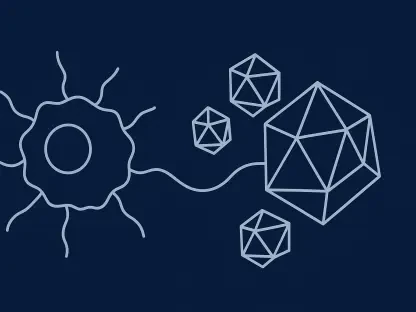
The future of cancer treatment depends on a multi-modal approach that treats the tumor as a complex environment requiring reprogramming. At the heart of this strategy is the “platinum paradox”: while platinum-based chemotherapies are potent at the onset, their efficacy is often neutralized by the tumor’s ability to evolve defense mechanisms. Viral priming offers a way to bypass this resistance by using engineered oncolytic viruses as a biological key to unlock the tumor’s defenses. These viruses target cancer cells by seeking out high levels of thymidine, an essential component for viral replication that is abundant in rapidly dividing malignant tissue.
Once the virus infects a cancer cell, it replicates until the cell undergoes lysis, or bursts. This process does more than just kill individual cells; it releases a massive amount of tumor antigens and viral particles into the immediate surroundings. This event acts as a “flare gun” for the immune system, turning an invisible, “cold” tumor into an inflamed, “hot” tumor that T-cells can finally recognize and attack. When the immune system is ignited in this way, the introduction of traditional chemotherapy provides a secondary “boost” that delivers a combined blow significantly more powerful than any treatment used in isolation.
Expert Perspectives on the “Prime-Boost” Hypothesis
Oncology experts are increasingly advocating for this rational combination of treatments, moving away from the trial-and-error methodologies that characterized previous decades. Research indicates that the inflammation created by the viral primer can resensitize tumors to chemical agents they had previously learned to ignore. Dr. Jason Litten and other leading oncologists argue that the goal is to use viral engineering not as a replacement for traditional medicine, but as a way to restore the potency of our most reliable chemical tools. This shift is already showing promise in clinical settings where cell therapies are integrated with classical radiation.
The consensus among clinicians is that the “prime-boost” model provides a way to reset the clock on drug resistance. By creating an inflamed microenvironment, viral priming ensures that the subsequent chemotherapy is targeting a much more vulnerable population of cells. This synergy allows for lower doses of medication to achieve better results, potentially reducing the toxic side effects associated with high-dose chemotherapy. The focus is no longer on finding a new drug to solve every problem, but on maximizing the impact of the tools already at the disposal of the medical community.
Strategic Frameworks for the Next Generation of Treatment
To bring the benefits of viral priming to more patients, the medical industry is developing strategic frameworks that prioritize early intervention and technological integration. One key focus is the “window of opportunity” between initial diagnosis and the development of late-stage resistance. By applying viral priming earlier in the treatment process, physicians may be able to prevent recurrence in high-risk patients. Additionally, the use of Artificial Intelligence to model drug combinations is becoming standard practice. From 2026 to 2029, AI-driven simulations are expected to drastically reduce the time and cost of preclinical trials by identifying the most effective pairings.
Researchers are also looking at ways to layer second-line therapies, such as antibody-drug conjugates and bispecific antibodies, onto the foundation provided by oncolytic viruses. These biomarker-independent protocols are designed to rely on universal biological behaviors of tumor cells rather than rare genetic mutations. This approach ensures that a wider range of patients can benefit from advanced care, regardless of their genetic profile. By integrating these various modalities into a cohesive strategy, the industry is paving the way for a more resilient and adaptable treatment landscape.
The transition toward integrated oncology frameworks signaled a fundamental change in the clinical landscape. Researchers recognized that the effectiveness of legacy treatments could be revived through biological priming. Advancements in viral engineering allowed the industry to move beyond the limitations of solo therapies. These strategies provided a roadmap for sustainable and accessible cancer care. Ultimately, the synthesis of engineering and pharmacology established a more unified front against the world’s most challenging solid tumors.