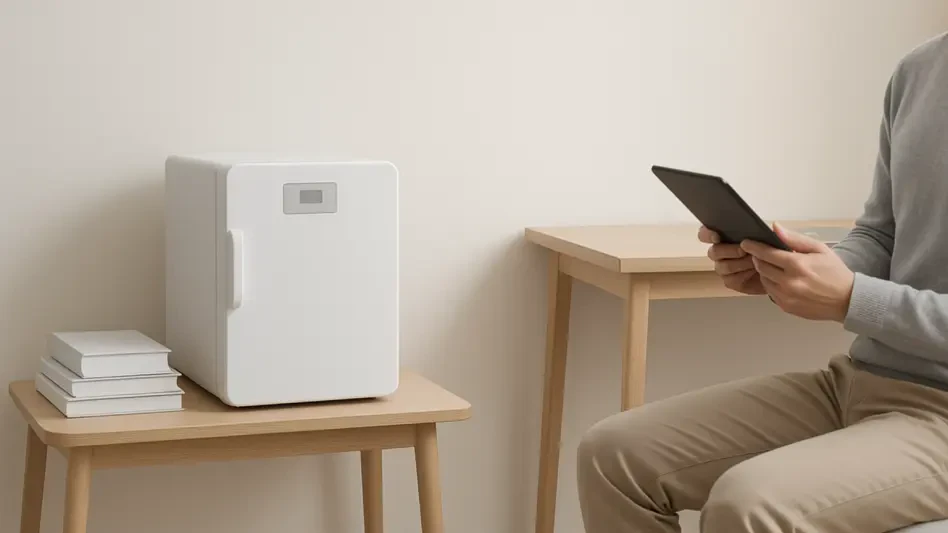

The logistical architecture of cancer therapy is currently undergoing a radical reconstruction as medical providers move beyond sterile clinic environments to embrace the patient’s own living room as a viable site for complex oncology treatment. This transition is not merely a matter of convenience; it represents a fundamental shift in how the healthcare industry conceptualizes the “place” of healing. In 2026, the oncology sector is increasingly characterized by a move away from the traditional hospital-centric model, prioritizing instead the reduction of the immense physical and emotional burden placed on patients. By integrating sophisticated biotechnology with remote clinical oversight, the industry is discovering that many life-saving interventions can be delivered safely and effectively without requiring a patient to step foot in a medical facility.
The Evolution of Oncology: The Rise of Patient-Centered Care
The current state of the oncology industry is marked by a sophisticated blend of precision medicine and decentralized service delivery. Historically, cancer treatment was synonymous with long hours in infusion centers and frequent diagnostic appointments. However, the rise of hormone-sensitive cancer research has introduced therapies that, while long-term, do not always require the intensive infrastructure of a traditional hospital. Major pharmaceutical players and biotech innovators have shifted their focus toward developing subcutaneous formulations of essential medications, such as gonadotropin-releasing hormone agonists, which are a cornerstone of care for premenopausal breast cancer patients. This evolution is driven by the realization that clinical excellence must be balanced with patient quality of life to ensure long-term treatment adherence.
Technological influences have played a decisive role in this industry transformation. Advanced drug-delivery devices, ranging from pre-filled syringes to wearable auto-injectors, have mitigated the risks associated with self-administration. Furthermore, the regulatory environment has begun to adapt, with health authorities providing clearer pathways for home-use certifications. These shifts are supported by a market of specialized oncology pharmacies and home-health cooperatives that ensure the integrity of the supply chain. As the significance of the patient experience grows, the industry is moving toward a standard where the oncology clinic serves as a hub for high-acuity interventions, while routine maintenance therapy is integrated into the rhythm of the patient’s daily life.
Modern Trends and Market Dynamics: Decentralized Cancer Treatment
Digital Health Integration: The Shift Toward Hybrid Oncology Models
The primary trend affecting the oncology market today is the emergence of the hybrid care model, which blends occasional in-person visits with comprehensive virtual management. Digital health platforms are no longer just tools for video conferencing; they have become sophisticated ecosystems that facilitate training, symptom tracking, and real-time communication between patients and their care teams. This shift toward hybrid oncology allows clinicians to maintain high levels of safety and professional oversight while the patient remains in a comfortable, low-stress environment. Consumer behavior is a major driver of this trend, as patients increasingly demand the same level of digital autonomy in their healthcare that they experience in other sectors of their lives.
Emerging technologies like augmented reality are now being used to provide remote training for patients and their family caregivers, ensuring that injection techniques are performed with professional precision. These market drivers are creating new opportunities for software developers and medical device manufacturers to collaborate on integrated solutions. Moreover, the move toward decentralized care is fostering a more proactive approach to oncology, where potential complications are identified through digital monitoring before they require emergency intervention. This proactive stance is essential for maintaining the stability of the healthcare system, especially as the population of cancer survivors continues to grow and requires long-term management.
Market Growth Projections: At-Home Specialized Therapeutics
The economic trajectory for at-home specialized oncology therapeutics is exceptionally strong, with significant growth projected from 2026 to 2031. Analysts anticipate that the market for self-administered oncology drugs will expand at a double-digit compound annual growth rate as more injectable therapies receive regulatory approval for home use. This performance is fueled by the rising prevalence of hormone-receptor-positive breast cancers and a demographic shift toward an aging population that prefers aging in place. Market data suggests that the reduction in clinic-related overhead costs is a major incentive for healthcare systems to adopt these models, potentially saving billions in administrative and facility expenses over the next decade.
Forecasts indicate that by 2030, a substantial percentage of all hormonal and maintenance therapies in oncology will be delivered outside the traditional hospital setting. Performance indicators already show that patients who utilize home-based injection programs report higher levels of satisfaction and lower rates of treatment discontinuation. This trend is expected to attract significant investment from private equity and venture capital, particularly in companies that provide the logistical backbone for home-based care. The expansion of this market is also expected to drive down the cost of medical equipment, making home-based therapy more accessible to a wider demographic of patients regardless of their geographic location.
Navigating Operational Hurdles: The Treatment Burden
Transitioning complex medical procedures to the home setting is fraught with logistical complexities that require precise coordination. One of the primary obstacles is the maintenance of the “cold chain” for temperature-sensitive oncology medications. Ensuring that a drug remains at the correct temperature from the pharmacy to the patient’s doorstep—and finally into their refrigerator—requires specialized packaging and reliable courier services. If the medication is compromised by heat or freezing during transport, it loses its efficacy, potentially jeopardizing the patient’s treatment plan. Solving this requires the implementation of smart packaging with integrated sensors that alert the patient and the provider if a temperature excursion occurs.
Furthermore, the physical and cognitive “treatment burden” on the patient cannot be ignored. While home injections save time on travel, they require the patient or a caregiver to take on the responsibility of medical administration, which can be a source of significant anxiety. The industry must develop robust support structures to mitigate this stress, including 24-hour clinical hotlines and comprehensive video libraries. There is also the challenge of waste management, as patients must be equipped with the means to safely dispose of medical sharps and biohazardous materials within their homes. Strategic solutions involve partnerships with local waste management firms and the provision of automated disposal kiosks in community locations.
The Regulatory Framework: The Insurance Reimbursement Paradox
The regulatory landscape for home-based oncology is currently defined by a complex web of laws and standards that vary significantly by region and insurance provider. One of the most significant challenges is the “reimbursement paradox,” where home-based care—despite being more convenient—can sometimes be more expensive for the patient due to how insurance benefits are structured. In many cases, a drug administered in a clinic is covered under a “medical benefit” with a low copayment, whereas the same drug dispensed for home use falls under a “pharmacy benefit” with much higher out-of-pocket costs. This financial disparity creates a barrier to access that often forces patients to choose the more time-consuming clinic-based option purely for economic reasons.
Compliance and security measures are also under intense scrutiny as more clinical data is transmitted from the home. Regulatory bodies are currently updating standards to ensure that patient privacy is protected during telemedicine consultations and that digital logs of drug administration are tamper-proof. The role of healthcare policy in 2026 is focused on harmonizing these benefits to ensure that the site of care does not dictate the cost of care. Legislation is being proposed to create a universal “at-home” billing code that would allow providers to be reimbursed for the time spent on virtual training and remote monitoring, providing the financial incentive necessary for clinics to scale these programs effectively.
The Future of Remote Monitoring: Autonomous Patient Care
The future of oncology care is heading toward a state of “autonomous patient care,” where the distinction between the hospital and the home becomes increasingly blurred. We are moving toward an era where AI-driven monitoring systems will be able to predict side effects or treatment resistance by analyzing data from wearable sensors that track vital signs, activity levels, and sleep patterns. These market disruptors will allow for a level of personalized care that was previously impossible. Instead of waiting for a monthly clinic visit to report a side effect, the patient’s care team will be alerted the moment a physiological deviation is detected, allowing for immediate intervention.
Innovation in drug delivery will likely include the development of longer-acting formulations and even implantable delivery systems that can be programmed remotely. These technologies will further reduce the frequency of injections and increase the autonomy of the patient. Global economic conditions and the ongoing shortage of specialized oncology nurses are also driving the industry toward these automated solutions. As the medical community gains more confidence in the safety of these remote models, we will likely see them expanded to other areas of oncology, including the administration of certain types of chemotherapy and immunotherapy, fundamentally changing the patient experience.
Transforming the Patient Experience: Innovative Delivery
The evaluation of home-based injection models demonstrated that decentralization was not merely a matter of convenience but a fundamental improvement in clinical sustainability. The research indicated that when patients were empowered with the necessary digital tools and professional support, their clinical outcomes remained indistinguishable from those receiving care in a clinic. It was observed that the reduction in psychological stress and the restoration of a sense of agency significantly bolstered the patient’s commitment to long-term therapy. The industry found that the traditional clinic-centric model had reached its logistical capacity, making the shift to a hybrid framework a necessity rather than an elective upgrade.
Stakeholders acknowledged that the next phase of oncology delivery required a standardized approach to digital health literacy to ensure no patient was left behind by the technological transition. The findings suggested that moving toward an autonomous care model provided the agility needed to manage the rising volume of breast cancer survivors efficiently. Furthermore, it was determined that the integration of home care could serve as a powerful tool for bridging the rural-urban divide in oncology outcomes. Future investments were redirected toward developing “user-centric” medical devices and lobbying for insurance reforms that recognized the value of the patient’s time. Ultimately, the industry moved toward a framework where the site of care was determined by clinical stability and patient preference, marking a significant milestone in the history of compassionate medicine.