
The evolution of local community centers from simple social gathering spots into sophisticated medical service extensions represents a paradigm shift in how aging populations receive essential care. As the demographic landscape tilts toward a higher percentage of seniors, municipalities must find innovative ways to integrate high-tech health solutions into the daily lives of residents. This evolution is particularly evident in recent initiatives that bridge the digital divide by providing the tools and training necessary for elders to navigate the complexities of modern medicine. By adopting age-friendly infrastructure, local governments are effectively creating community hubs that serve as critical intermediaries between the individual and the broader healthcare system.
Organizations like the AARP have recognized this need, providing essential funding to jumpstart local initiatives that might otherwise languish due to budgetary constraints. These non-profit partnerships are becoming the backbone of senior service modernization, allowing centers to experiment with new delivery models without assuming excessive risk. This trend marks a departure from the traditional view of senior centers as mere recreation facilities. Instead, they are now viewed as comprehensive health service extensions that can alleviate the pressure on overcrowded hospital systems by managing routine health needs locally through professional support and modern interfaces.
Modernizing Senior Care Through Digital Integration and Community Hubs
Municipalities are increasingly focusing on age-friendly infrastructure to accommodate the specific physical and cognitive needs of an older population. This shift involves more than just installing physical aids; it requires a thoughtful integration of technology that respects the learning curves of seniors while providing high-value outcomes. The significance of bridging the digital divide cannot be overstated, as access to high-speed internet and compatible devices has become a prerequisite for participating in the modern healthcare economy. Without these localized hubs, a large segment of the population remains at risk of medical isolation as services move online.
Senior centers are naturally evolving from social clubs into hubs for holistic well-being, where a member can transition from a group exercise class to a virtual consultation with a specialist in a single afternoon. This integration reduces the logistical burden on seniors who may face transportation challenges or mobility issues. By serving as a localized branch of the larger medical network, these centers ensure that care is not only accessible but also delivered in a familiar and supportive environment that minimizes the stress often associated with clinical visits. This transformation reinforces the center as a vital anchor in the local health landscape.
Transforming Elder Wellness With Remote Medical Technology
Innovative Tech Adoption and Shifting Senior Healthcare Behaviors
The rapid transition from traditional in-person medical visits to virtual patient portals requires a significant change in patient behavior and expectations. Many seniors have historically relied on physical interactions for medical advice, yet the current healthcare environment increasingly prioritizes digital efficiency through platforms like MyChart. Overcoming the initial resistance to these tools necessitates a hands-on approach where staff members act as facilitators, guiding users through the login processes and data entry requirements of digital health records. This support is crucial for building the confidence needed to engage with remote healthcare services.
Educational workshops play a vital role in this behavioral shift, transforming a daunting technical hurdle into a manageable skill set. By providing a structured environment for learning, centers empower seniors to take ownership of their health data. This empowerment leads to more consistent monitoring and better communication with providers, as patients become comfortable navigating the software that manages their prescriptions and appointment schedules. The result is a more informed patient population that is capable of managing chronic conditions with greater precision and autonomy from the comfort of a community-based setting.
Market Projections for Telehealth Services and Local Growth Indicators
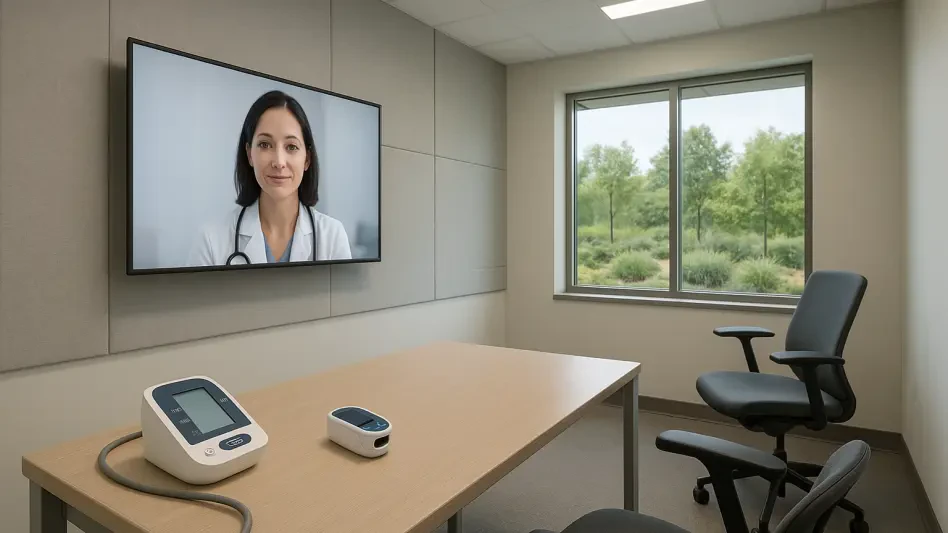
The demand for remote monitoring tools, such as digital glucometers and pulse oximeters, is projected to grow significantly as the healthcare industry moves toward a proactive management model. Data-driven insights suggest that these tools are essential for the early detection of complications, which in turn reduces the frequency of emergency room visits and unplanned hospitalizations. The Austintown model serves as a scalable solution for other small-town senior services, demonstrating that relatively small investments in technology can yield substantial long-term benefits in community health outcomes and overall resident satisfaction.
A strategic grant-funding approach is essential for the sustainability of these high-tech initiatives, particularly when managing limited municipal budgets. By securing roughly $71,000 in outside funding during the current year, the center has established a financial cushion that allows for capital improvements without immediate tax hikes. This strategy provides a roadmap for other municipalities to follow, highlighting the importance of diversifying revenue streams through community challenge grants and regional partnerships. The long-term impact of this funding ensures that the facility remains at the cutting edge of service delivery for years to come.
Navigating the Technical and Financial Obstacles of Facility Upgrades
Upgrading older municipal buildings to accommodate medical-grade equipment and high-speed digital infrastructure presents a unique set of logistical and financial challenges. The high cost of specialized hardware, combined with the need for robust cybersecurity measures, can often exceed the baseline operating budgets of community centers. Moreover, converting traditional office spaces into professional clinical suites requires adherence to strict architectural and sanitary standards to ensure that the environment is suitable for medical screenings and private consultations. These physical transformations are necessary to provide a professional level of care.
Balancing the reliance on local tax levies with the aggressive pursuit of external grants is a delicate exercise in fiscal management. While grants provide the initial capital for upgrades, local levies remain the primary source of funding for the day-to-day operations and staffing required to maintain these new services. The successful integration of these two funding sources allows for a sustainable growth model where the community shares the cost of essential services while benefiting from the injection of outside resources. This dual approach ensures that the facility can evolve alongside technological advancements without placing an undue burden on taxpayers.
Upholding Privacy Standards and Regulatory Compliance in Shared Spaces
Implementing HIPAA-compliant protocols within a public community center environment is a critical requirement for any facility offering telehealth services. Maintaining the confidentiality of virtual consultations requires dedicated, soundproof spaces where sensitive medical information can be discussed without fear of being overheard. Additionally, data security measures must be robust enough to protect patient records from unauthorized access, requiring a level of IT sophistication that was previously unnecessary for senior social clubs. This focus on privacy is essential for maintaining the professional integrity of the wellness room.
The adoption of an Age-Friendly Community designation helps maintain these standardized levels of care quality. This framework provides a set of best practices that guide centers in creating safe, private, and efficient environments for healthcare delivery. Ensuring that data security and confidentiality are prioritized builds trust among the senior population, making them more likely to utilize the available telehealth services. This trust is the foundation upon which integrated health hubs are built, ensuring that residents feel secure and respected while they navigate their healthcare journeys in a shared public facility.
The Future of Holistic Senior Wellness and Nutritional Education
The long-term vision for holistic senior wellness involves expanding beyond medical technology into specialized areas like nutritional literacy and preventative education. Future trends suggest that educational kitchen renovations will become a focal point for senior centers, allowing for hands-on instruction in healthy meal preparation. This approach addresses the underlying causes of many chronic health conditions by teaching residents how to utilize pantry staples and supplemental food programs in a way that supports their overall physical health. This shift toward nutrition completes the circle of preventative care.
Predicting the expansion of this age-friendly ecosystem requires a focus on integrated health hubs that combine social, medical, and nutritional support in one accessible location. This multifaceted strategy recognizes that health is not merely the absence of disease but the presence of a supportive environment that nourishes the body and mind. By fostering a community where seniors can learn, socialize, and receive medical care, municipalities are creating a resilient social safety net. This holistic model is expected to set the standard for senior services as the demand for comprehensive local support continues to rise.
Advancing Municipal Senior Services Through Fiscal Responsibility
The Austintown Senior Center established itself as a regional leader in elder care innovation through the successful implementation of its integrated wellness initiatives. By prioritizing technological upgrades and private clinical spaces, the administration demonstrated how small municipalities could adapt to the evolving needs of their aging residents. The strategic use of grant funding and the maintenance of local levies provided a stable financial foundation for these advancements, ensuring that the facility remained a high-value asset for the community. This balance proved that modernization was achievable through careful planning.
Township leadership recognized that the shift toward preventative care was essential for reducing the burden on local emergency services and improving the overall quality of life for seniors. The recommendations for future municipal growth centered on the continued pursuit of private-public partnerships and a disciplined approach to fiscal responsibility. Through these efforts, the center proved that a commitment to innovation, backed by transparent financial planning, could transform a traditional community space into a vital hub for modern healthcare. The project served as a definitive proof of concept for future municipal investments in senior wellness.