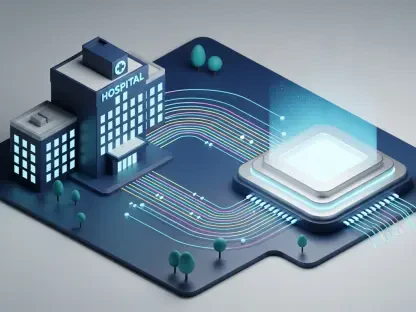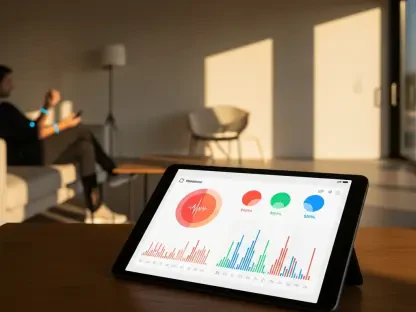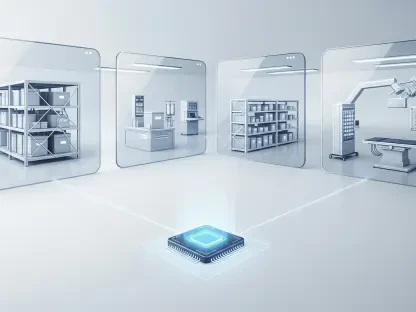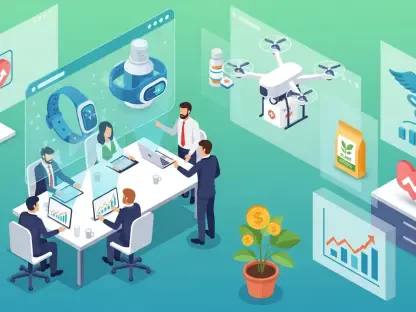

The silent epidemic of prescription abandonment currently drains a staggering quarter of a trillion dollars from the American economy while claiming countless lives that could have been saved by simple therapeutic consistency. Every year, a massive volume of life-saving medication never makes it past the pharmacy counter or sits forgotten in a kitchen drawer, leading to a silent fiscal and clinical catastrophe that undermines the entire healthcare infrastructure. While pharmaceutical giants spend billions on research and development to create the next generation of miracle cures, the industry is bleeding a quarter of a trillion dollars annually because the final, most crucial step—the patient actually taking the pill—is failing. The American healthcare system is currently grappling with a profound disconnect where modern medicine is more advanced than ever before, yet the fundamental delivery mechanism remains significantly broken.
The $250 Billion Oversight Hiding in Your Medicine Cabinet
The financial implications of medication non-adherence are so vast that they often dwarf the annual budgets of entire federal agencies, yet the problem remains largely invisible to the public eye. This oversight represents a systemic failure that bridges the gap between clinical intent and actual health outcomes. When a patient walks away from a prescription, the loss is not merely the cost of the chemicals but the cumulative expense of subsequent emergency room visits, complications, and the progression of chronic diseases that could have been managed effectively. This fiscal leak has become a permanent fixture in the American medical landscape, creating a cycle of waste that pushes insurance premiums higher and stretches hospital resources to their absolute breaking point.
Beyond the balance sheets, the clinical catastrophe manifested in medicine cabinets across the country reflects a total collapse of the care continuum. We see a landscape where the brightest minds in science have solved the biology of disease, only to be defeated by the logistics of human behavior and system friction. This disconnect suggests that the traditional methods of drug distribution have prioritized the volume of prescriptions over the success of the treatment itself. Consequently, the industry faces a reality where the most expensive medication in the world is the one that is never taken, rendering years of scientific labor and billions in investment entirely moot at the point of the patient’s home.
Why the Current Adherence Model is Failing Patients
The journey from a physician’s diagnosis to long-term health is fraught with systemic hurdles that traditional big-box retail models are fundamentally ill-equipped to handle. Direct-to-consumer advertising may succeed in building brand recognition or driving initial interest, but it fails to provide the hands-on, personalized guidance required to navigate complex treatment regimens over several months or years. Patients are often bombarded with information during a thirty-second commercial, yet they find themselves completely unsupported when they encounter the first minor side effect or confusing dosage instruction. This awareness-action gap creates a vacuum where patients feel informed enough to ask for a drug but not empowered enough to maintain its use.
The statistical reality of this failure is visible in the staggering “First-Fill Hurdle,” where nearly one-third of all patients never even pick up their initial prescription. This represents a total collapse of the care process before it has even begun, often due to cost concerns or a lack of immediate clinical reassurance at the counter. For those who do manage to start their treatment, the “Second-Fill Drop-off” is equally devastating; over 34% fail to secure their first refill. As national pharmacy chains shutter hundreds of locations across the country, “pharmacy deserts” are expanding rapidly, leaving the most vulnerable populations without a reliable, local point of contact to provide the encouragement and accessibility necessary to stay on track.
The Strategic Power of the Community Pharmacist
Independent pharmacies represent a unique, high-touch alternative to the impersonal and often chaotic nature of big-box retail, serving as a critical safety net for millions of Americans. These community providers offer a level of unrivaled accessibility that is simply impossible for larger institutions to replicate in a meaningful way. On average, patients interact with their local pharmacist nearly twice as often as they see their primary care physician, creating frequent, low-pressure opportunities for life-saving interventions. This recurring contact allows pharmacists to spot trends in patient behavior long before a medical crisis occurs, transforming the pharmacy from a simple shop into a frontline diagnostic and support center.
For the 15 million Americans who rely exclusively on independent providers, these local experts are often the only accessible healthcare professionals in their immediate community. This is particularly true in rural and underserved urban areas where the local pharmacist plays a multifaceted role as an educator, counselor, and clinician. Unlike high-volume chains that prioritize transaction speed, independent pharmacies tend to prioritize long-term relationships, fostering the deep-seated trust necessary to address sensitive patient concerns. When a patient trusts their pharmacist, they are far more likely to be honest about why they are skipping doses, whether the reason is a fear of side effects or an inability to afford the co-pay.
Tech-Enabled Solutions for Modern Medication Management
While the “will” to help has always been a hallmark of the independent pharmacy, modern technology finally provides the “way” to scale these personalized efforts to meet today’s demands. Advanced pharmacy management systems can now automatically flag overdue refills during the hectic morning rush, allowing pharmacists to offer adherence packaging or home delivery on the spot. These real-time risk detection tools remove the guesswork from patient management, ensuring that no one falls through the cracks simply because the staff was too busy to check a file. By digitizing the workflow, the pharmacist can spend less time on manual data entry and more time engaging in direct patient care.
Technology also facilitates a digital continuity of care that bridges the gap between store visits, which is essential for long-term compliance. Automated, multi-channel communication tools can send personalized text reminders and health tips to patients during the critical weeks between refills when adherence is most likely to slip. Furthermore, automated affordability tools have become a game-changer for those facing financial barriers. Integrated software can instantly apply manufacturer vouchers at the point of sale, eliminating the “sticker shock” that frequently leads to prescription abandonment. These tech-enabled interventions ensure that the modern community pharmacy remains both a high-touch and high-efficiency environment.
Bridging the Clinical Gap Through Practical Intervention
To move the needle on adherence, independent pharmacies have begun a transition from simple dispensaries to proactive healthcare hubs using specific, actionable clinical strategies. Clinical pivoting is a prime example of this evolution, where a routine transaction is transformed into a meaningful consultation through the use of data alerts. For instance, medication synchronization programs allow patients with chronic conditions to pick up all their prescriptions on a single day each month, dramatically reducing the logistical burden of care. This proactive approach treats the patient’s time as a valuable resource, removing the friction that often leads to missed doses and abandoned therapies.
Coordinated care ecosystems are also emerging as a vital strategy, aligning the goals of pharmaceutical manufacturers with local pharmacy expertise. By utilizing digital platforms to provide instant access to educational materials, pharmacists can help demitigate patient anxiety and improve long-term compliance through better understanding. These partnerships ensure that financial assistance and clinical support reach the patient at the exact moment of need, rather than being buried in a website or a brochure. This alignment of resources creates a more resilient healthcare environment where the pharmacist is empowered to act as the final, most important link in the chain of recovery.
The landscape of American healthcare was significantly altered as independent pharmacies embraced their role as tech-enabled clinical hubs. These local providers successfully integrated real-time data and personalized communication to tackle the adherence crisis from the ground up. The transition toward this model demonstrated that the solution to a quarter-trillion-dollar problem was found in the combination of human trust and digital efficiency. Moving forward, the focus shifted toward expanding these integrated networks to ensure that no community was left in a pharmacy desert. This evolution in the pharmaceutical delivery model proved that targeted, local interventions provided the most sustainable path toward improving national health outcomes and reducing systemic waste. The journey toward total therapeutic adherence became a collaborative effort where technology served the needs of the neighborhood pharmacist.