
The persistent disparity between the burgeoning biomedical sector in urban centers and the local residents living in surrounding neighborhoods has long been a challenge for workforce developers seeking to create genuine economic mobility. In the heart of North Philadelphia, the Lewis Katz School of Medicine at Temple University has successfully launched a transformative initiative known as BUILD Philly to address this specific divide by empowering young adults who have historically faced significant barriers to higher education and professional employment. By focusing on individuals between the ages of 18 and 24, the program seeks to tap into latent potential that is often overlooked by traditional recruitment methods, ensuring that the local community benefits directly from the region’s expanding scientific economy. This inaugural graduation represents a shift in how institutions view community engagement, moving beyond simple outreach to provide a rigorous, supportive framework that turns aspirations into viable healthcare careers for talented youth.
Strategic Foundations: Integrating Education and Community Support
Targeted Training: Developing a Diverse Biomedical Pipeline
The program functions as a comprehensive training model aimed at diversifying the regional healthcare landscape by creating clear pathways toward stable employment for individuals from underserved neighborhoods. Operating under the leadership of Program Director Grace Ma at the Center for Asian Health, BUILD Philly utilizes established community partnerships to ensure that the training is both academically rigorous and culturally relevant. Recruitment is deeply community-focused, as program manager Jade Truehart works with local schools and neighborhood organizations to find candidates, building relationships and mentorships from the very beginning. This approach ensures that the recruitment process identifies individuals with the resilience and commitment necessary to succeed in a demanding medical environment. By prioritizing the “authentic Philadelphian experience” over traditional testing, the program validates the unique perspectives that local residents bring to the clinical setting, fostering a sense of ownership over their professional development.
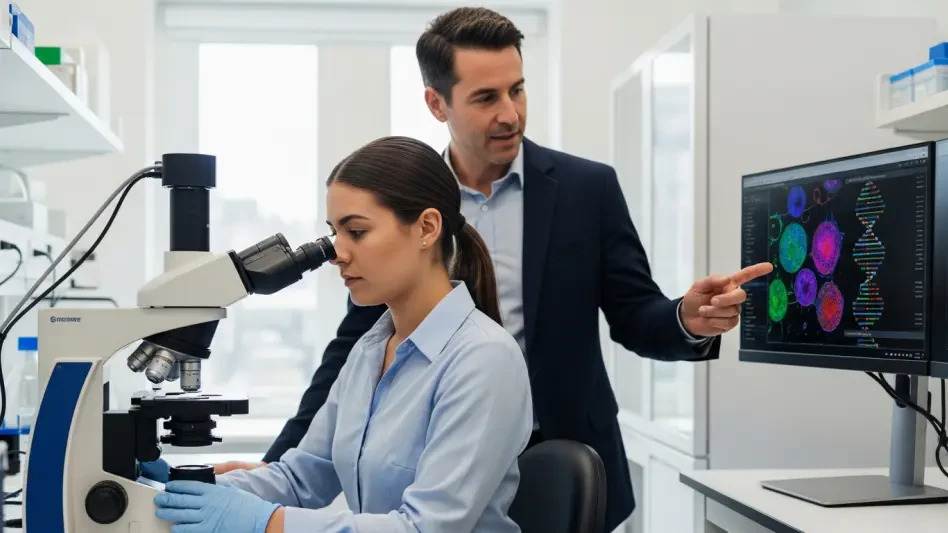
The success of the first class is evident in the achievements of its 13 graduates, who specialized in the medical assistant track and are now prepared to enter the workforce with specialized clinical skills. Some graduates have already expressed interest in pursuing pre-med tracks at Temple University or returning to the program as mentors for future students, creating a self-sustaining cycle of local leadership. Looking forward, the program is set to expand with a new track for biomedical laboratory technicians, which will allow participants to work in research labs and connect with the city’s growing biotech and pharmaceutical industries. This expansion is critical as it opens doors to high-level scientific careers that were previously seen as out of reach for many local residents. By aligning the curriculum with the specific needs of the Philadelphia laboratory sector, the program ensures that its graduates are not only employed but are also positioned for long-term career advancement in high-growth fields.
Holistic Empowerment: Addressing Systemic Barriers and Future Equity
A standout feature of the initiative is its comprehensive “wraparound” support system, which acknowledges that students cannot reach their full academic potential if their basic survival needs are left unmet. To address these systemic hurdles, the program covers all educational costs and provides participants with regular stipends to ensure financial stability throughout the duration of their training. Students also receive a wide range of personal assistance, including transportation subsidies, childcare resources, and individualized tutoring sessions tailored to their specific learning styles. This multifaceted approach allows trainees to focus entirely on their professional growth without the constant pressure of financial insecurity. Furthermore, the inclusion of life coaching and the provision of professional attire prepare these young adults to enter clinical environments with the confidence and decorum required in professional medical spaces, effectively bridging the gap between classroom learning and workplace expectations.
The program leadership emphasizes that a more diverse workforce is essential for improving medical outcomes in urban environments where patient trust is often fragile due to historical neglect. By training Philadelphians to serve their own communities, BUILD Philly fosters a sense of cultural competency that is often missing in traditional medical staffing models. These graduates bring unique lived experiences and local perspectives that are necessary for providing nuanced patient care, helping to bridge the cultural gap between large medical institutions and the neighborhoods they serve. This local representation not only improves the quality of care but also encourages more residents to engage with the healthcare system for preventative services. The initiative serves as a model for how medical schools can act as anchors for community wealth building, proving that institutional resources can be effectively leveraged to dismantle the systemic barriers that have long prevented local talent from entering the scientific and medical professions.
The successful implementation of this pilot program proved that the integration of social support with technical training was the most effective method for bridging the gap in urban healthcare employment. Academic leaders discovered that when financial and personal stressors were mitigated, trainees from underserved backgrounds consistently outperformed traditional expectations in clinical settings. Consequently, the institution recommended that future workforce initiatives prioritize direct community recruitment and long-term mentorship over standardized entry requirements to foster a more inclusive medical field. This shift in strategy ultimately resulted in a healthcare workforce that was more representative of the patient population it served, leading to improved communication and health outcomes across the city. By establishing these early career pipelines, the program provided a clear blueprint for other universities to follow, ensuring that local talent remained the cornerstone of urban scientific development. This approach effectively turned systemic obstacles into stepping stones for a new generation of professionals.