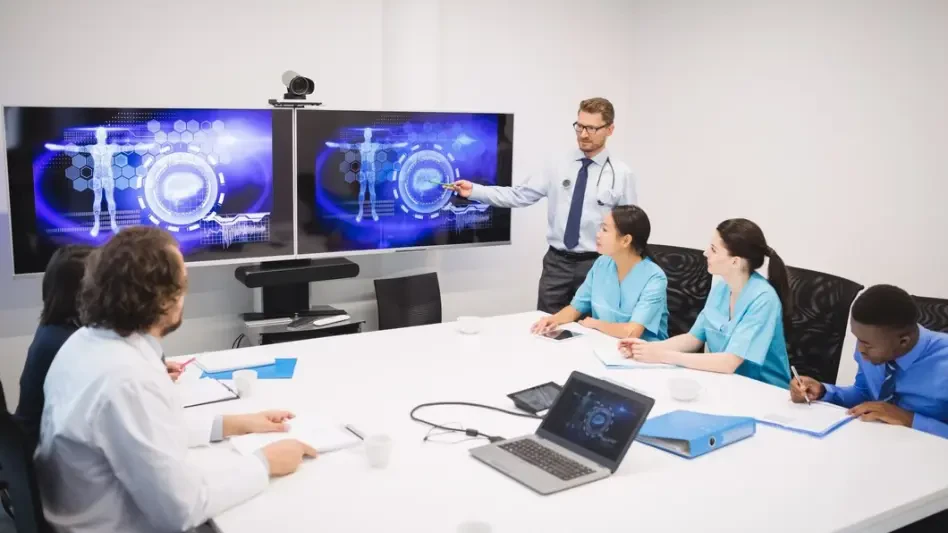

The relentless pace of modern medicine creates a formidable challenge for physician-educators, who must navigate the competing demands of high-volume patient care and the critical responsibility of training future generations of clinicians. This constant tension has fueled a growing crisis of professional burnout, threatening the sustainability of academic medicine and diminishing the quality of both patient care and medical education. In this high-stakes environment, the traditional, often improvisational, approach to clinical teaching is no longer sufficient. What is required is a fundamental shift toward a proactive, strategic framework that organizes the chaotic clinical environment into a structured, efficient, and ultimately more fulfilling experience for both mentor and learner. By implementing a deliberate system for managing time, priorities, and educational encounters, it becomes possible to not only enhance learning outcomes but also build a resilient defense against the pervasive threat of burnout.
A Framework for Intentional Productivity
At the core of a sustainable teaching model is the transition from a reactive to a proactive mindset, a shift powered by the deliberate application of established personal efficiency strategies. The foundation for this transformation rests on two complementary methodologies: the Eisenhower Decision Matrix (EDM) for strategic prioritization and time blocking for disciplined execution. The EDM, also known as the Urgent-Important Matrix, provides a clear and immediate framework for decision-making by categorizing all tasks into one of four distinct quadrants based on their urgency and importance. This system compels educators to consciously evaluate every demand on their time, sorting tasks into those that must be done immediately, scheduled for later, delegated to others, or deleted entirely. This structured approach moves beyond simple time management; it fosters a culture of intentionality, enabling physicians to regain control over their schedules and focus their energy on activities that yield the highest value for their patients, their learners, and their own professional well-being.
The true power of this framework is realized through the disciplined management of its key quadrants, which directly combats the primary drivers of burnout. The most crucial quadrant is “Not Urgent but Important,” which encompasses high-impact activities essential for long-term success, such as strategic planning, relationship building, and personal wellness. Neglecting these tasks invariably causes them to escalate into future crises, perpetuating a reactive, fire-fighting work style. By using time blocking to schedule protected, non-negotiable periods for these activities, educators can make consistent progress on their most significant goals. Equally important is the strategic handling of the “Urgent but Not Important” quadrant, which is typically filled with interruptions that, while important to others, do not align with the educator’s primary objectives. Effective delegation of these tasks is not an abdication of responsibility but an act of empowerment, freeing up the educator’s capacity while developing the skills of team members. This disciplined combination of prioritization and scheduling transforms the clinical day from a series of random events into a purposefully directed workflow.
Structuring the Educational Encounter
The implementation of this systematic approach begins well before the first patient is seen, with a preparatory phase designed to maximize the educational value of every clinical encounter. In this model, the learning process starts the night before the clinic, when learners are assigned a small number of cases—typically just two or three—for in-depth review. This task, termed “precharting with purpose,” requires more than simple data gathering; it challenges the learner to synthesize the available information and generate a working hypothesis about each case. This proactive preparation fundamentally alters the learning dynamic. Instead of passively absorbing information after an encounter, the learner arrives at the clinic as a temporary “expert” on their assigned patients. This focused effort builds a deep foundational understanding, boosts the learner’s confidence, and allows for a more substantive and engaging dialogue with both the patient and the supervising physician during the subsequent clinical visit, setting the stage for highly efficient and integrated teaching.
During the fast-paced clinic day, the system is designed to seamlessly integrate teaching into the clinical workflow without causing delays or disruptions. The primary strategy involves the use of brief, highly targeted teaching moments focused on a specific clinical finding or technique, rather than engaging in lengthy, time-consuming discussions in the exam room. More in-depth conversations are deliberately deferred to a dedicated post-clinic session, preserving the momentum of patient care. A particularly innovative technique employed during this phase is the use of live dictation software at the conclusion of each patient encounter. The mentor dictates the clinical note aloud in the presence of both the patient and the learner. This single action serves multiple purposes: it provides a clear, concise summary of the differential diagnosis, management, and treatment plan for the patient; it models the complex process of clinical reasoning for the learner; and it reinforces the key takeaways from the encounter in a highly efficient and memorable format.
From Clinical Case to Scholarly Contribution
To combat the universal fatigue that sets in at the end of a long clinical day, the system strategically moves the most intensive learning activities to a more productive time. Instead of conducting in-depth case reviews when energy is low, these discussions are held the following morning in a dedicated “morning report.” During this session, the learner who prepared a specific case as an “expert” takes the lead, teaching the other learners about the patient’s presentation, diagnosis, and management. This peer-to-peer teaching model not only reinforces the presenting learner’s knowledge but also ensures that every member of the team benefits from the deep dive into each selected case. This structure transforms individual patient encounters into shared learning experiences, multiplying the educational impact of the clinical workload and fostering a collaborative academic environment where knowledge is actively constructed and disseminated among trainees. This approach maximizes retention and ensures that the valuable lessons from complex cases are not lost in the rush of a busy day.
The educational journey for a single case is further extended longitudinally to promote deep learning and tangible academic growth. Following the morning report, each learner is assigned one of their presented cases to develop into a formal presentation for the hospital’s weekly ophthalmology grand rounds. This assignment serves several critical functions: it compels the learner to revisit and master the material at an even deeper level, it provides a safe and supportive environment to practice and refine formal presentation skills, and it encourages valuable interdisciplinary discussion. The final step in this comprehensive mentorship process is guiding the learner to convert the grand rounds presentation into a tangible scholarly outcome, such as a published case report or a contribution to an online resource like EyeWiki. This culmination of the process provides the learner with a significant achievement for their portfolio and solidifies the mentor-mentee relationship through a shared academic success.
Cultivating a Sustainable Legacy in Medicine
The deliberate implementation of these strategic approaches created a powerful and sustainable system that directly addressed the root causes of burnout in academic medicine. By structuring the teaching process into distinct phases and leveraging efficiency tools like the Eisenhower Decision Matrix and time blocking, the framework reduced the educator’s cognitive load and administrative burden. This newfound efficiency did not come at the expense of educational quality; rather, it enhanced it, fostering deeper learning and more meaningful mentorship relationships. The positive feedback loop that emerged—where improved student performance and engagement provided a profound sense of professional fulfillment for the educator—served as a potent countermeasure to the chronic stress inherent in the field. This structured system demonstrated that the demanding roles of physician, educator, and mentor, while challenging, did not have to be overwhelming.
Ultimately, the most significant outcome of this systematic approach was the cultivation of a “legacy of teaching” that extended far beyond individual productivity. As learners experienced and participated in this highly organized and supportive educational environment, they indirectly absorbed the principles of efficient and effective mentorship. They observed firsthand how strategic planning, thoughtful delegation, and a commitment to well-being could create a thriving academic career. This modeling equipped and inspired them to become the next generation of effective mentors, capable of perpetuating a culture where educational excellence and personal sustainability are viewed as interconnected, essential goals. The successful application of these intentional principles reshaped the clinical learning environment, protecting the well-being of educators while profoundly shaping the high-quality, compassionate mentorship that their trainees would one day provide.