
Introduction
The delicate and precise art of surgery is undergoing a profound transformation, moving beyond the steady hand of the surgeon to embrace the unparalleled accuracy of robotic technology. This evolution demands an entirely new approach to medical education, one that seamlessly integrates cutting-edge digital tools with hands-on clinical practice. This article serves as a guide to understanding the new Cambridge Digital Health and Surgical Training Centre, a facility designed to spearhead this change. Within these sections, key questions about the center’s purpose, its technological focus, and its ambitious national vision will be explored, offering a clear picture of how the next generation of surgeons is being prepared for the operating rooms of tomorrow.
Key Questions and Topics
What Is the New Cambridge Surgical Training Centre
The Cambridge Digital Health and Surgical Training Centre is a state-of-the-art, 12,000-square-foot facility established within Cambridge University Hospitals NHS Foundation Trust. It is engineered to be the most technically advanced clinical training environment in the United Kingdom. Its primary mission is to provide world-class, immersive training for surgeons, equipping them with the skills necessary to master both current and future surgical techniques. This center represents a significant investment in medical infrastructure, aiming to set a new benchmark for surgical education nationwide.
The facility is thoughtfully divided into two distinct yet complementary sections. The ground floor contains the Surgical Training Centre, which provides a hands-on learning environment complete with “wetlab” facilities, surgical tables, and sophisticated X-ray equipment for practical experience. Above it, the first floor houses the Digital Health Training Centre. This section, set to open formally in early 2026, will pioneer training methodologies using extended reality (XR) and artificial intelligence (AI), allowing trainees to hone their skills in highly realistic virtual environments before entering a live operating theater.
Why Is Robotic Surgery the Central Focus
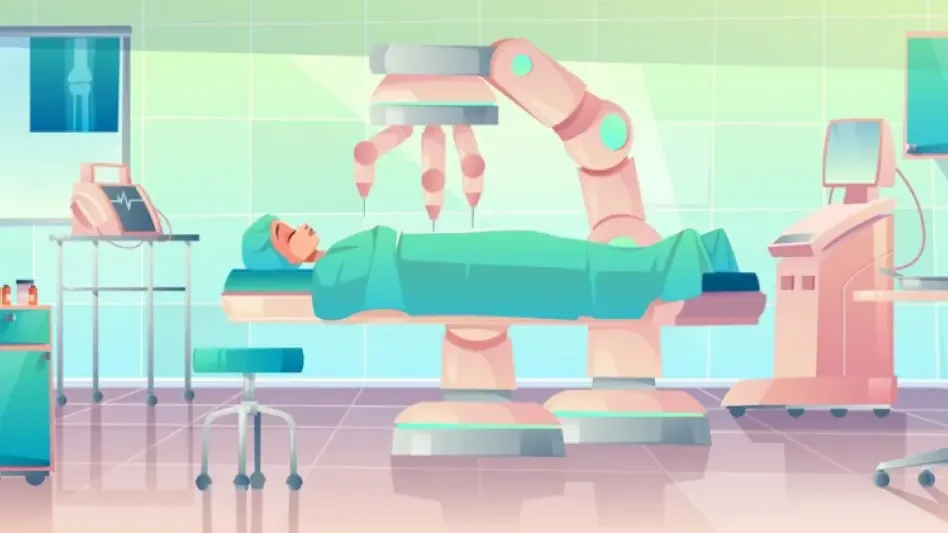
The emphasis on robotic-assisted surgery stems from a clear consensus among medical leaders about its transformative potential for healthcare. This technology is no longer a futuristic concept but a rapidly expanding component of modern surgical practice. Experts agree that robotic systems enhance a surgeon’s capabilities by providing superior visualization through high-definition 3D cameras and greater precision with instruments that can move with more dexterity and steadiness than the human hand.
Consequently, these technological advantages translate into tangible benefits for patients. Procedures performed with robotic assistance are often minimally invasive, leading to smaller incisions, reduced blood loss, and less postoperative pain. This, in turn, results in faster recovery times, shorter hospital stays, and a lower rate of complications. The center’s focus on robotics aligns directly with UK government ambitions to broaden the adoption of this technology, ensuring that patients across the country have access to the highest standard of surgical care available.
What Is the START Programme
A cornerstone of the center’s robotics initiative is the Shelford Surgical Training in Advanced Robotic Technology (START) Programme. This pioneering program is a collaborative effort between the Shelford Group, an association of leading NHS multi-specialty academic healthcare organizations, and the Newcastle Surgical Training Centre. It is specifically designed to address the urgent need for a standardized, high-quality training curriculum in robotic surgery. The START Programme is officially supported by the Royal College of Surgeons of England, underscoring its national importance.
What makes the START Programme unique is its multi-platform approach. Rather than focusing on a single robotic system, it equips surgical trainees with proficiency across three of the leading platforms currently in use: the Intuitive da Vinci, the CMR Surgical Versius, and the Medtronic Hugo™ RAS systems. This comprehensive training ensures that surgeons are versatile and adaptable, prepared to work with the diverse technologies they will encounter in different hospitals. It establishes a robust foundation of skills essential for navigating the evolving landscape of surgical robotics.
Summary or Recap
The new Cambridge Digital Health and Surgical Training Centre stands as a landmark institution poised to redefine surgical education in the United Kingdom. Its innovative two-part structure, which marries hands-on “wetlab” training with advanced digital simulations using XR and AI, creates a comprehensive learning ecosystem. This facility is not merely an upgrade but a forward-thinking response to the evolving demands of modern medicine.
At the heart of its mission is the START Programme, a critical initiative that standardizes training across multiple major robotic surgery platforms. The consensus among medical experts is clear: robotic surgery offers profound benefits in surgical precision and patient outcomes. By championing this technology, the center is directly addressing a national healthcare priority and working to build a surgical workforce equipped with the advanced skills necessary to deliver superior patient care for years to come.
Conclusion or Final Thoughts
The inauguration of the Cambridge Digital Health and Surgical Training Centre was a pivotal moment for British healthcare, marking a decisive step toward a future where surgical training was intrinsically linked with technological innovation. It represented a collective belief that preparing surgeons for tomorrow required more than traditional methods; it demanded an environment where they could master the digital and robotic tools that were reshaping their field.
Ultimately, this initiative did more than just establish a world-class educational facility. It laid the foundation for a national pilot program intended to create a new gold standard in surgical proficiency, ensuring that the benefits of minimally invasive, robot-assisted procedures were not confined to a few specialized hospitals but became widely accessible. The center’s vision looked past the immediate horizon, toward a future where improved patient outcomes and faster recoveries became the norm, driven by a generation of surgeons trained at the very nexus of medicine and technology.