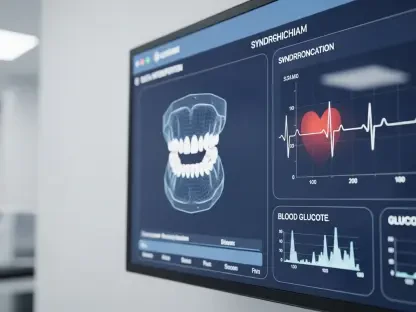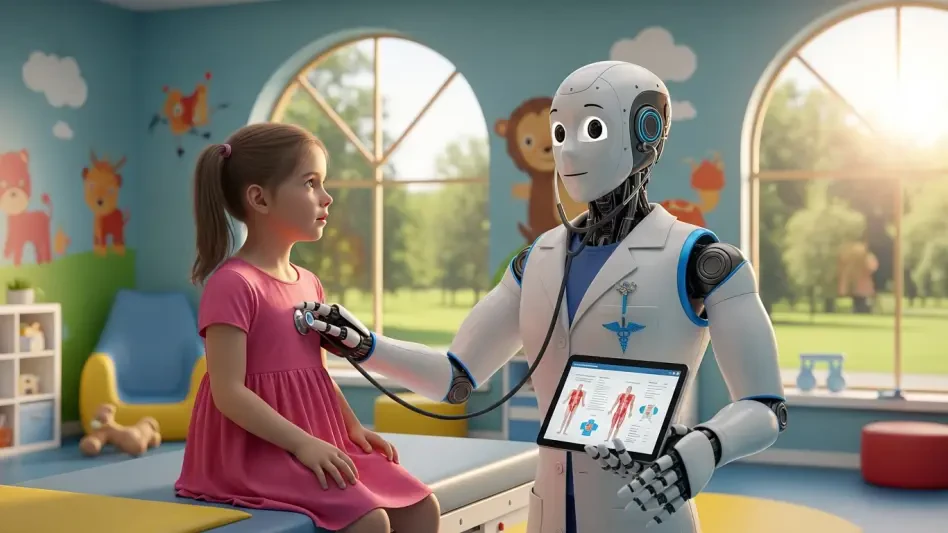

From neonatal intensive care units to adolescent mental health, artificial intelligence is no longer a futuristic concept but a present-day force reshaping child healthcare. As providers seek more precise, personalized, and proactive solutions, AI is emerging as a critical ally in safeguarding the well-being of the next generation. This analysis explores the accelerating trend of AI adoption in pediatrics, examining its current applications, expert-driven insights, and the transformative future it promises for young patients and their families.
The Accelerating Integration of AI in Childrens Health
Market Adoption and Growth Trajectory
The global market for AI in healthcare is experiencing exponential growth, and the pediatric sub-segment is attracting significant investment. Recent industry reports indicate a sharp rise in the adoption rates of AI-powered tools within specialized children’s hospitals. This surge is mirrored by increased funding for pediatric health-tech startups, with market projections showing substantial growth for AI-driven diagnostic and therapeutic solutions tailored specifically for young patients.
This powerful trend is fueled by a convergence of critical factors. The increasing availability of digitized pediatric health data provides the raw material for training sophisticated machine learning algorithms. Simultaneously, these algorithms have become more advanced and capable of identifying subtle patterns in complex datasets. This technological progress aligns perfectly with a broader shift toward value-based care models, which emphasize early detection and preventative medicine—areas where AI can deliver unparalleled advantages in a pediatric setting.
Real World Applications and Case Studies
Children’s Nebraska stands as a compelling example of this trend in action, with its recent appointment of Ryan M. Cameron as Chief Information and Innovation Officer underscoring a deep strategic commitment to digital transformation. The health system is actively deploying pioneering initiatives that demonstrate the tangible benefits of integrating advanced technology into pediatric care, moving beyond theoretical concepts to achieve real-world results.
These initiatives range from operational enhancements to direct clinical innovations. The health system has successfully implemented an agentic AI platform to automate and streamline the complex and often burdensome Medicaid eligibility process, freeing up valuable administrative resources. In the clinical sphere, it has expanded its 3D printing program to improve surgical planning and has adopted virtual reality (VR) and digital therapeutics as novel treatments for behavioral health conditions in adolescents. This is complemented by a robust data strategy, which leverages data aggregation to create a “single source of truth” that has already optimized surgical scheduling and improved overall resource management.
Insights from the Forefront of Pediatric Innovation
The success of such initiatives often hinges on visionary leadership. Chanda Chacón, CEO of Children’s Nebraska, emphasized this by describing new CIO Ryan M. Cameron as a “passionate advocate for pediatric healthcare innovation.” This perspective highlights the necessity of having dedicated champions within an organization who not only understand the technology but can also drive its adoption and integration into the clinical culture.
Cameron’s strategic vision reflects the broader ambitions of the entire field. His focus is on creating a comprehensive technological roadmap that “empowers patients, families, and clinicians,” signaling a move toward a future where equitable digital access is a standard component of care. Moreover, his goal to have AI “safely augmenting” pediatric practice underscores a commitment to responsible innovation, where patient safety and ethical considerations are paramount in the development and deployment of any new technology.
The new archetype of healthcare leader required to navigate this transition combines deep technological expertise with a fundamental understanding of clinical and patient needs. With over 25 years of experience and having authored books on AI and leadership, Cameron’s profile exemplifies this blend. His background demonstrates the kind of multifaceted leadership necessary to build a bridge between the worlds of advanced technology and compassionate pediatric medicine.
The Future Horizon: Promises and Challenges of Pediatric AI
Potential Breakthroughs and Long Term Benefits
Looking forward, the potential for AI to revolutionize pediatric medicine is immense. The future holds the promise of sophisticated predictive models capable of identifying children at high risk for developing chronic diseases like asthma or diabetes long before symptoms appear. AI will also be instrumental in analyzing complex genomic data to recommend highly personalized treatments for congenital disorders and in tailoring developmental therapies for children with neurodevelopmental differences.
Beyond the clinic, AI is set to enhance the patient and family experience dramatically. AI-powered chatbots could soon provide 24/7 support and guidance for anxious parents of newborns or for adolescents learning to manage a chronic condition. These digital tools will further empower families, transforming them from passive recipients of care into active, informed participants in their child’s health journey.
Navigating Ethical Hurdles and Implementation Barriers
However, realizing this future requires navigating significant ethical and practical challenges. Protecting the sensitive health data of minors is a non-negotiable priority. The industry must develop robust cybersecurity measures and address the unique consent challenges associated with pediatric data, a focus area highlighted by leaders like Cameron.
Furthermore, the risk of algorithmic bias looms large. AI models trained on limited or non-diverse datasets could inadvertently perpetuate or even worsen existing health disparities among different pediatric populations. Ensuring these algorithms are developed and validated to be fair, equitable, and effective for all children is one of the most critical challenges ahead. Successfully integrating these tools into existing clinical workflows also demands significant investment in infrastructure, comprehensive training, and strategic change management to ensure clinicians are empowered, not burdened, by new technology.
Conclusion: Building a Smarter Safer Future for Child Health
The integration of AI into pediatric care proved to be more than a fleeting trend; it was a fundamental shift shaped by forward-thinking institutions like Children’s Nebraska. From streamlining operations to pioneering novel clinical treatments, AI demonstrated its tangible value in real-world settings. A clear consensus emerged among experts that technology would become deeply woven into care delivery, guided by a new generation of leaders who championed both innovation and patient empowerment.
As the field advanced, the collective focus remained steadfast on developing and deploying AI in a manner that was ethical, equitable, and consistently centered on the unique needs of children. The ultimate achievement was not the technology itself, but its application in building a system where every child had a better opportunity to lead a healthier life, proving that the most profound use of artificial intelligence was in protecting the most vulnerable among us.